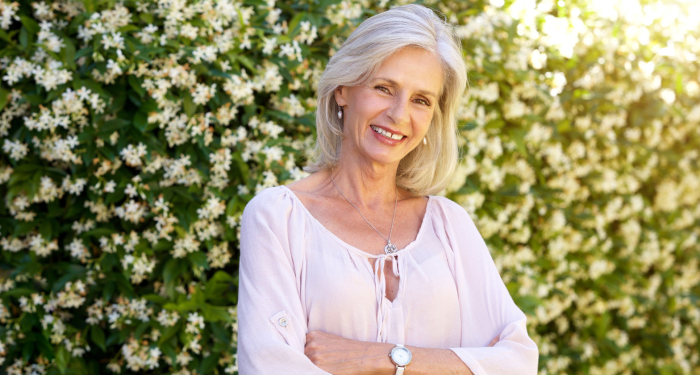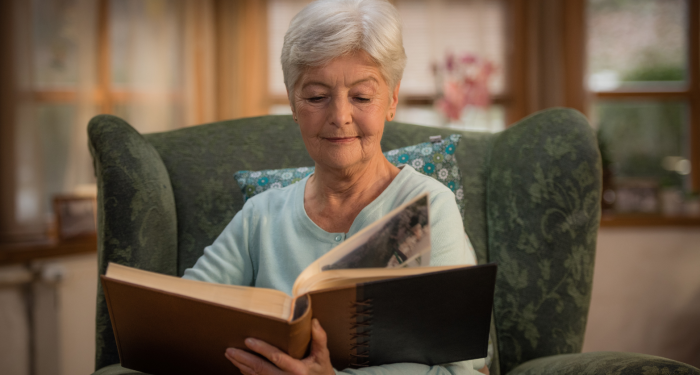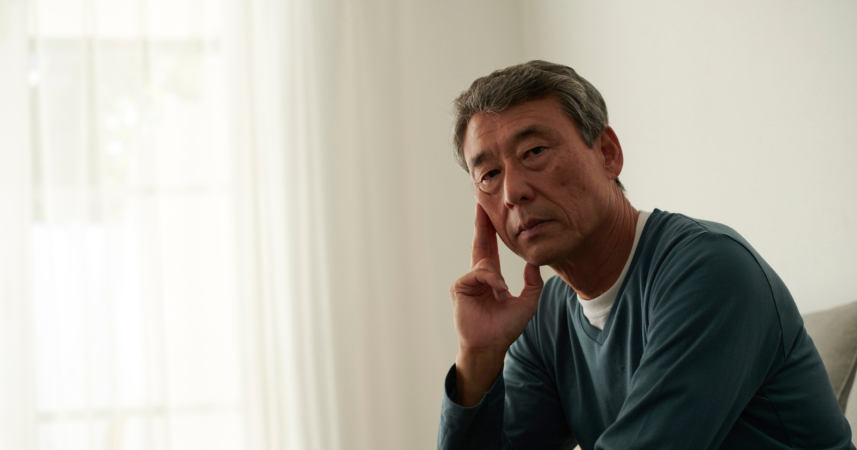
As she stirred soup for one in her too-quiet kitchen, she realized the children she'd given everything to now penciled her in between errands, their eyes glazing over when she spoke, their sighs barely hidden when she needed help.

Add VegOut to your Google News feed. 
The afternoon sun slants through my kitchen window, casting long shadows across the counter where I'm preparing dinner for one. Again. The house feels too big, too quiet, except for the hum of the refrigerator and the occasional creak of settling wood.
Just yesterday, my daughter called to cancel our weekly lunch—something about a work meeting that couldn't be moved.
The week before, my son texted that he couldn't help me move those boxes from the attic because his kids had soccer practice. Each small cancellation feels like another tiny erasure, another step toward invisibility.
When love becomes logistics
There's a particular kind of heartbreak that comes with aging, and it has nothing to do with wrinkles or gray hair.
It's the slow, crushing realization that the people you poured your life into now schedule you between dentist appointments and grocery runs. You become a checkbox on their to-do list, a problem to solve rather than a person to cherish.
I spent decades making myself indispensable. School plays never missed, soccer games cheered from freezing bleachers, midnight fevers soothed with cool washcloths and whispered reassurances.
I managed homework help while cooking dinner, juggled two jobs when their father left, and somehow made Christmas magical even when the bank account suggested otherwise. Those years of sacrifice felt like deposits into some cosmic bank account of love, investments that would surely yield returns when I needed them most.
But here's what nobody tells you about those investments: They don't guarantee anything. Your children grow up and build lives that orbit around their own families, careers, and obligations.
The fierce love remains, but it gets buried under scheduling conflicts and the exhausting logistics of modern life. You find yourself apologizing for needing a ride to a medical appointment, prefacing every request with "I hate to bother you, but..."
The weight of becoming a burden
Do you remember the first time you realized your presence had shifted from welcome to obligation? For me, it happened during a family dinner last spring. My grandson was talking excitedly about his college plans when I started sharing a story about my own college days.
I watched my son's eyes glaze over, saw him exchange that look with his wife—the one that says "here we go again." I stopped mid-sentence, pretending I'd forgotten what I was saying. The conversation moved on without missing a beat, as if I hadn't spoken at all.
After my knee replacements, I needed help with basic tasks for several weeks. The first few days, everyone rallied. By week two, I could feel the strain in their voices, the forced cheerfulness that barely masked their exhaustion.
My daughter would arrive with groceries, her phone constantly buzzing with work emails, apologizing as she rushed through helping me shower. "I'm so sorry, Mom, but I really have to get back for this conference call."
Each apology was a small death, a reminder that my needs had become an interruption to their real lives. I started lying about how much pain I was in, insisting I could manage alone. Better to struggle in private than to see that flash of irritation quickly hidden behind dutiful smiles.
Rewriting the story of our worth
Recently, I picked up Rudá Iandê's book "Laughing in the Face of Chaos: A Politically Incorrect Shamanic Guide for Modern Life," which I'd mentioned in a previous post about finding purpose after loss. One passage stopped me cold: "Their happiness is their responsibility, not yours."
Such simple words, yet they challenged everything I'd believed about my role as a mother, a grandmother, a caregiver.
The book inspired me to question a fundamental belief I'd carried for decades: That my worth was measured by how useful I could be to others. Iandê's insights about how our emotions are messengers, not enemies, helped me sit with the grief and anger I'd been suppressing.
Yes, grief for the closeness that has faded. And anger—surprising, volcanic anger—at being relegated to the margins of lives I helped create.
But here's what that anger taught me: I'd spent so many years defining myself through service to others that I'd forgotten I existed as a complete person outside of those roles.
The cruel irony is that in making myself indispensable, I'd never taught my children to see me as anything more than a provider of comfort and solutions. Now that I need comfort and solutions myself, they're lost, uncomfortable with this reversal that feels unnatural to all of us.
Finding grace in the letting go
There's a strange freedom that comes with accepting your new position in the family constellation. Once you stop fighting for relevance, stop trying to earn your keep through usefulness, something shifts.
You begin to see that your children's distance isn't always cruelty—sometimes it's their own fear of mortality, their terror of watching you age, their grief for the invincible parent you once were.
Last month, I stopped apologizing for needing help. When my son seemed irritated about driving me to a doctor's appointment, I simply said, "I understand this is inconvenient. It's inconvenient for me too."
The silence that followed was uncomfortable but necessary. We're both learning new scripts for this stage of life, and the old patterns of guilty sacrifice and dutiful resentment serve no one.
I've started creating a life that doesn't revolve around waiting for their calls or visits. I joined a writing group where my stories matter. I volunteer at the library, reading to children who actually want to hear tales from another generation.
These aren't consolation prizes for a life pushed aside; they're deliberate choices to remain visible, valuable, and vibrantly alive on my own terms.
Final thoughts
The cruelest part of aging isn't becoming an inconvenience—it's believing that being convenient was ever the measure of our worth. We cannot control how others see us, even those we love most fiercely.
But we can refuse to disappear, refuse to apologize for continuing to exist with needs, desires, and stories worth telling. The people we sacrificed everything for may not understand this yet, but perhaps one day, when they're standing where we stand now, they will.
Until then, we must mother ourselves with the same fierce devotion we once gave so freely to others, remembering that our lives are not epilogues to theirs but ongoing stories worthy of their own beautiful, complicated, inconvenient conclusions.
If You Were a Healing Herb, Which Would You Be?
Each herb holds a unique kind of magic — soothing, awakening, grounding, or clarifying.
This 9-question quiz reveals the healing plant that mirrors your energy right now and what it says about your natural rhythm.
✨ Instant results. Deeply insightful.

Marlene Martin
Marlene is a retired high school English teacher and longtime writer who draws on decades of lived experience to explore personal development, relationships, resilience, and finding purpose in life’s second act. When she’s not at her laptop, she’s usually in the garden at dawn, baking Sunday bread, taking watercolor classes, playing piano, or volunteering at a local women’s shelter teaching life skills.
More Articles by Marlene