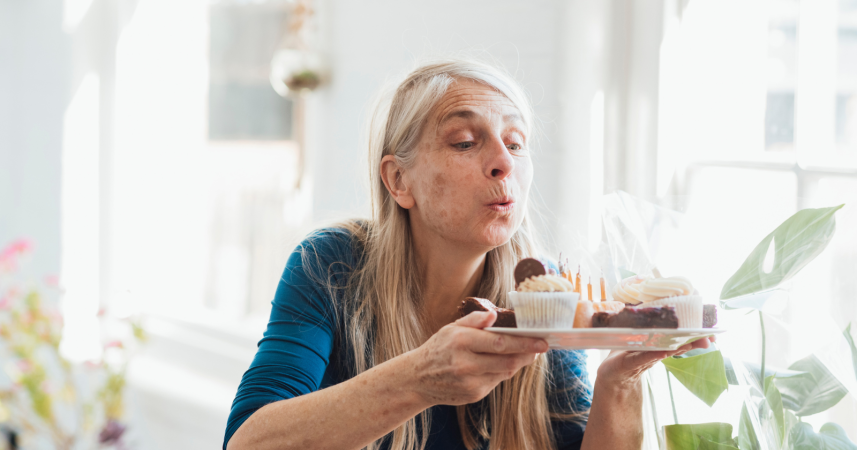
While everyone obsesses over her wrinkle-free skin and assumes she's had work done, my 71-year-old aunt finally revealed her real secret — and it has nothing to do with expensive creams or procedures, but rather four unexpected daily practices that completely changed how I think about aging.

Add VegOut to your Google News feed. 
Last Thanksgiving, I watched my Aunt Helen move through my cousin's kitchen with the energy of someone half her age. She was slicing sweet potatoes, telling a story about her latest hiking adventure, and somehow managing to keep three grandchildren entertained all at once.
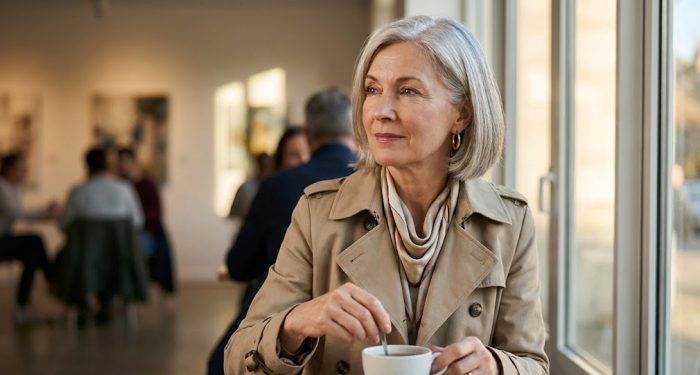
When my cousin's new boyfriend guessed she was "what, maybe 55?" the entire room went silent before erupting in laughter. Helen is 71.
I've been observing her for years, trying to decode her secret. Was it genetics? Some expensive serum she wasn't telling us about?
Finally, over coffee the next morning, I asked her directly. She looked at me with those bright eyes of hers, set down her mug, and said something I'll never forget: "I decided a long time ago that getting older was inevitable, but getting old was optional."
What followed was a conversation that completely shifted my understanding of aging well. And surprisingly, almost none of it had to do with what she put on her face.
1. She moves like water, not stone
The first thing Helen told me was about movement, but not in the way you might expect. "Most people think exercise is about looking good or living longer," she said. "For me, it's about staying fluid."
She explained how she noticed people start to move differently as they age, becoming rigid and careful, as if they're afraid of breaking.
So she made a conscious choice to keep moving with curiosity and playfulness. She dances while cooking dinner. She sits on the floor to play with grandchildren and gets back up without thinking twice. She stretches while watching television.
This reminded me of my own journey with yoga, which I began at 58. At first, I was mortified by how stiff I'd become. But over time, I realized the practice wasn't just making me more flexible physically. It was teaching me to approach my entire life with more fluidity.
Now, whether I'm dealing with a difficult conversation or trying to figure out new technology, I remember to breathe and bend rather than brace and resist.
Helen takes this philosophy even further. She told me she deliberately does something that challenges her coordination every few months, whether it's learning a TikTok dance from her granddaughter or trying paddleboarding for the first time.
"Your body believes what you tell it," she said. "If you move like you're afraid of falling apart, you will."
2. She feeds her curiosity like it's a living thing
When I asked Helen about her diet, thinking she might reveal some anti-aging superfood secret, she laughed. "Oh, I eat plenty of vegetables and all that, but the real thing I'm careful to feed is my curiosity."
She reads voraciously, but not just the genres she's always loved. Last year, she worked her way through a series on quantum physics written for non-scientists.
The year before, it was contemporary poetry from around the world. She takes online courses in everything from art history to app development. Not because she needs to, but because learning something new makes her feel electric.
Have you ever noticed how children's faces light up when they discover something new? That's the expression Helen wears most days.
She asks questions without apologizing for not knowing the answers. She admits when she's confused and celebrates when she finally understands something that's been puzzling her.
I think about this often during my morning routine. I wake at 5:30 and spend that first quiet hour with my tea and journal, but lately, I've been using part of that time to learn something entirely new.
Last month, I taught myself to identify bird calls from my garden. This small addition has transformed my morning walks into treasure hunts of sound.
3. She treats joy like urgent business
"Most people have it backwards," Helen told me. "They think they'll be happy when they retire, when they lose weight, when they find the perfect partner. I decided to be happy first and let everything else sort itself out."
She wasn't always this way. Helen told me about a health scare in her fifties that changed everything. For three weeks, she waited for test results that would determine whether the shadow on her scan was benign or would require extensive treatment.
During those three weeks, she made a list of everything she'd been postponing "until later." The list was heartbreaking in its simplicity: learn to make proper French bread, call her old college roommate, plant those roses she'd been thinking about, take that watercolor class.
When the results came back clear, she didn't file that list away with relief. She started working through it immediately.
Now, she approaches joy with the dedication most people reserve for work obligations. She schedules fun into her calendar. She buys the good chocolate. She uses her fancy dishes on random Wednesdays.
This resonates deeply with my own experience. After my breast cancer scare at 52, I stopped saving things for "special occasions." Every day I'm here is special enough. My garden, which I've been cultivating for 30 years, gets my attention not when I have time, but because making time for it brings me joy.
4. She stays connected to people who matter
Perhaps the most surprising element of Helen's approach to aging has nothing to do with her individually. It's about her relationships.
She maintains deep, authentic connections with people across multiple generations. She doesn't just tolerate her teenage grandchildren's music; she asks them to make her playlists. She doesn't just have coffee with friends her own age; she mentors young women at the local community center.
"Loneliness ages you faster than smoking," she told me, quite seriously. "But it's not just about having people around. It's about having people who really see you, who challenge you, who make you laugh until your stomach hurts."
Helen has a practice she calls "connection maintenance." Every week, she reaches out to someone she hasn't talked to in a while.
Not with a generic "thinking of you" text, but with something specific: a photo that reminded her of a shared memory, a question about something they discussed previously, or a funny observation she knows they'd appreciate.
She also practices what she calls "aggressive vulnerability." She tells people when she's struggling. She asks for help before she desperately needs it. She shares her fears and failures as readily as her successes. This openness, she believes, keeps her relationships real and her spirit young.
Final thoughts
As I drove home from that visit, I kept thinking about what Helen had shared. None of it was revolutionary or required expensive equipment or supplements. Yet when I look at her, really look at her, what I see isn't someone who has stopped aging. I see someone who has refused to let age stop her.
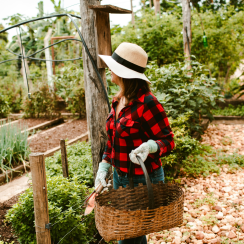
The truth is, Helen does have some laugh lines and her hands show the years of gardening and living.
But there's something about the way she inhabits her body, the light in her eyes, the quickness of her laugh, that transcends any physical marker of age. She moves through the world like someone who has important things to do and joy to spread, regardless of what her birth certificate says.
Maybe that's the real secret: not trying to look younger, but refusing to act old.