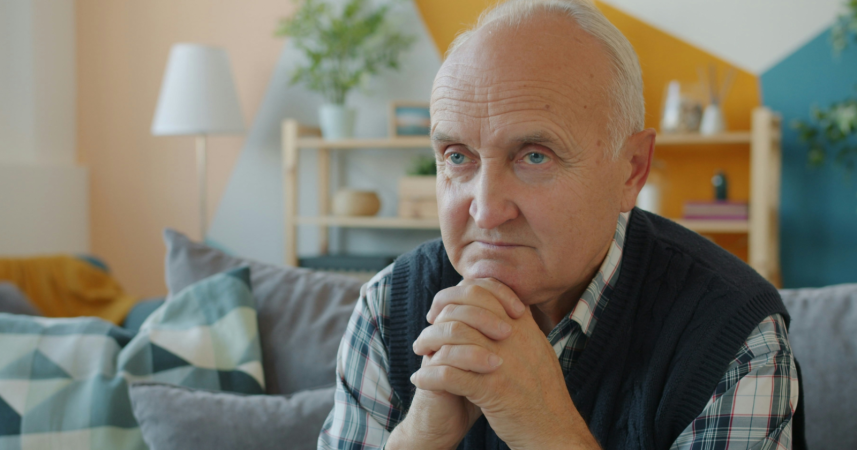
After decades of shaping young minds in the classroom, I discovered that retirement's crushing emptiness could only be filled by wielding a controller and slaying digital dragons alongside teenagers from Tokyo.

Add VegOut to your Google News feed. 
The retirement party was lovely. Colleagues gave speeches that made me tear up, former students sent video messages, and everyone kept saying how lucky I was to finally have time for myself.
Three months later, I found myself watching my fourth consecutive episode of a home renovation show I didn't even like, wondering if this hollow feeling in my chest was what freedom was supposed to feel like.
After 32 years of lesson plans and red pens, I thought retirement would be a gentle exhale. Instead, it felt like someone had removed all the air from the room.
The purposelessness that settled over me was eerily familiar — I'd felt it once before, in my twenties, when I'd finished college and had no idea what came next. Only this time, I was 67, and the answer wasn't supposed to be this complicated.
The weight of empty days
You know that Sunday evening feeling when the weekend is ending and Monday looms? Imagine that feeling inverted — every day stretching ahead with no Monday to give it shape.
The first month, I organized closets and finally read those books gathering dust on my nightstand. The second month, I started projects I didn't finish.
By month three, the television had become my evening companion, and I'd memorized the schedule of every cooking competition on cable.
Carroll Advisory Group captures it perfectly: "Retirement marks a significant transition in life, often accompanied by an unexpected challenge: the loss of professional identity and daily work routines."
Nobody warns you about the vertigo that comes when your daily structure dissolves. For over three decades, bells had dictated my days, students had needed me, and there was always another essay to grade, another lesson to perfect.
Now, the only thing waiting for me each morning was an empty calendar.
The guilt made it worse. Here I was, financially secure, physically healthy enough, with time that so many people dream of having — and I was miserable. I'd catch myself creating unnecessary errands just to have somewhere to go.
The grocery store became an event. I'd walk every aisle, even the pet food section, though I hadn't had a dog in years.
When hobbies feel like homework
Everyone had suggestions. Join a book club! Take up watercolors! Volunteer at the library! I tried them all, approaching each new activity with the determination I'd once brought to teaching Shakespeare to reluctant sophomores.
But forcing enthusiasm is exhausting, and nothing stuck.
The book club felt like assigned reading without the payoff of discussion with bright young minds. The watercolors looked like something a kindergartener might proudly present to their parent.
The library volunteering was pleasant but didn't fill that gnawing emptiness.
Have you ever tried to make yourself enjoy something because it's what retired people are supposed to enjoy? There's a special kind of defeat in admitting that the retirement activities everyone raves about leave you cold.
I remember sitting in a community center pottery class, watching my lopsided bowl spin on the wheel, thinking that I'd rather be anywhere else. The instructor kept saying how therapeutic it was. All I felt was frustrated.
The surprising pull of pixels
The hobby that eventually saved me was one I would have laughed at six months earlier. My nephew had left his old gaming console at my house after a visit, one of those devices I'd confiscated from students countless times over the years.
One particularly empty evening, I plugged it in out of sheer boredom. Four hours later, I was deep into a puzzle game, my mind engaged in a way it hadn't been since I'd left the classroom.
Gaming. At 67, I became a gamer.
VegOut Magazine notes that "Retirement doesn't have to mean slowing down your brain. In fact, it's the perfect time to stretch it." And stretch it did.
These games demanded strategy, quick thinking, and problem-solving skills that made my brain light up in familiar ways. The narrative games told stories as complex as any novel I'd taught.
The puzzle games required the same logical sequencing I'd used to structure arguments in essays.
But here's what really hooked me: The online community. Suddenly, I was part of guilds and teams, collaborating with people from around the world. My teammates didn't know or care that I was old enough to be their grandmother.
They cared that I showed up for raids, learned the strategies, and brought virtual healing potions when needed.
The teenager in Tokyo who taught me combat techniques reminded me of my students — patient with my questions, delighted when I finally mastered a difficult sequence.
Finding myself in unexpected places
What started as evening entertainment evolved into something richer. I joined online forums where people discussed game narratives with the same intensity my colleagues once debated Hemingway versus Fitzgerald.
I started watching tutorials, learning the language of this new world — RPG, MMO, FPS — acronyms that would have meant nothing to me a year ago.
I even started a small blog reviewing story-driven games from a literature teacher's perspective, finding surprising parallels between game narratives and classical storytelling structures.
The confidence from conquering virtual challenges began seeping into real life. If I could learn to navigate complex gaming interfaces, maybe I could tackle other new things too.
I signed up for a coding basics course (to better understand how games were made), joined a local esports viewing group at the library (yes, watching other people play video games is a sport now), and even attended a gaming convention where I was definitely the oldest person in line for autographs from voice actors.
Kiplinger observes: "The notion of retirement as a time of leisure is outdated. Most older adults want a similar level of engagement and meaning as in their working years."
Gaming gave me that engagement — challenges to overcome, skills to develop, communities to contribute to. It wasn't leisure; it was active participation in something that demanded my full attention and rewarded my efforts.
Redefining what retirement means
This unexpected journey reminded me of something I'd discovered in Your Retirement Your Way, Jeanette Brown's new course that I wish I'd had when I first retired.
The course reminded me that fulfillment doesn't come from checking off society's retirement checklist but from authentic self-expression and designing a life around your actual values.
Jeanette's guidance inspired me to stop apologizing for my unconventional hobby and embrace what genuinely brought me joy, even if it wasn't what anyone expected.
My gaming hobby has taught me that purpose doesn't always come packaged the way we expect.
Sometimes it arrives through a forgotten console, speaks in pixels and points, and connects us with people we'll never meet in person but who become real friends nonetheless. The 15-year-old me would be shocked.
The 35-year-old teacher me would be skeptical. But the 69-year-old me now? She's too busy planning her next gaming session to care what anyone thinks.
Final thoughts
If you're sitting in front of your television right now, feeling that familiar weight of purposelessness, know that your answer might not look like anyone else's.
It might not involve golf clubs or gardening gloves. It might surprise you, challenge your self-image, and make your friends raise their eyebrows. That's okay.
Actually, that might be exactly what you need. The beauty of this stage of life isn't in doing what's expected — it's in finally having the freedom to discover what unexpectedly delights you.