While their peers hit snooze and wonder "what's the point," these vibrant septuagenarians have discovered simple rituals that transform dawn from an obligation into the most anticipated part of their day.

Add VegOut to your Google News feed. 
The morning light hasn't quite reached my kitchen window yet, but the birds have already started their symphony.
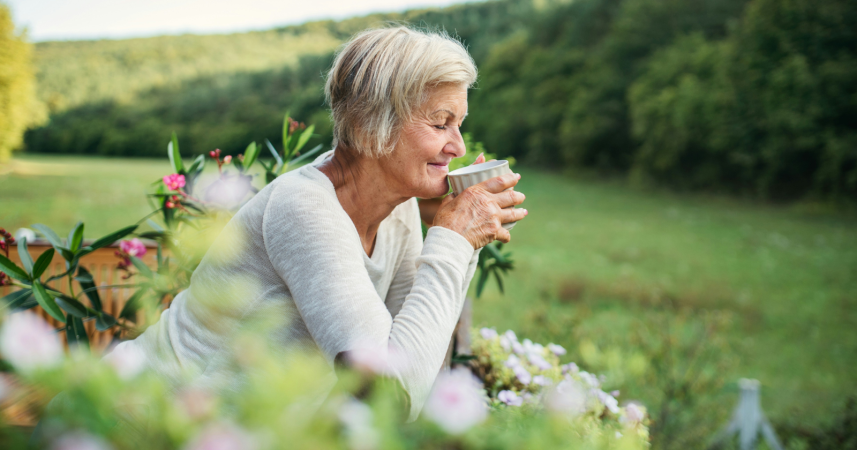
I'm sitting here with my hands wrapped around a warm mug of chamomile tea, steam rising in gentle spirals, and I can't help but smile at the day ahead. At 72, this anticipation for morning feels like a gift—one that not everyone my age seems to unwrap anymore.
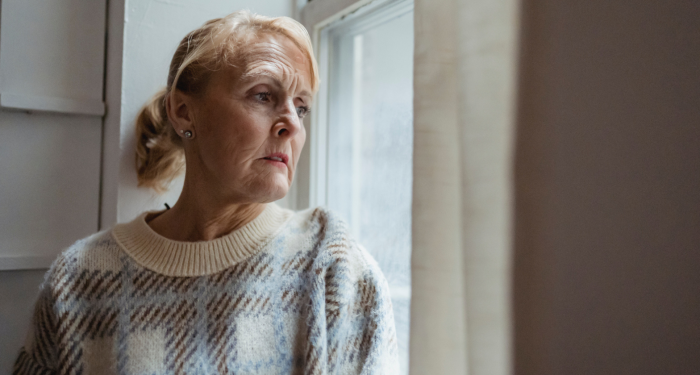
Last week at the library, I overheard two women discussing how they dread getting out of bed these days. "What's the point?" one said. "Every day is the same." It broke my heart a little because I understood that feeling intimately.
After my husband passed, mornings became the hardest part of my day. But somewhere along the way, I discovered that people who genuinely look forward to their mornings after 70 do things differently.
Not drastically different, mind you, but different enough to transform those early hours from something to endure into something to embrace.
1) They protect their morning silence like treasure
I wake at 5:30 AM these days, not because an alarm demands it, but because my body has learned to crave this quiet hour. There's something almost sacred about the world before it fully wakes up. I spend this first hour in complete silence—no news, no phone, no television. Just me, my tea, and my journal.
Have you ever noticed how the quality of silence changes throughout the day? Morning silence feels different. It's expectant, full of possibility. When I taught high school English for all those years, I used to rush through mornings like they were obstacles to overcome.
Now I understand that this protected quiet time isn't emptiness; it's fullness waiting to happen.
2) They write down what they're grateful for
Every evening before bed, I open a small leather journal and write three things I'm grateful for.
Started this habit after my husband passed when gratitude felt impossible to find. Some nights I write about big things—my health, my children. Other nights it's smaller: the way my neighbor's cat sits in the sunshine, a perfectly ripe avocado, a phone call from an old friend.
What surprises me is how this evening practice transforms my mornings. I wake up already primed to notice good things. It's like my brain has been training overnight to spot joy, and morning becomes the first opportunity to test this new skill.
3) They move their bodies with kindness, not punishment
Gone are the days of punishing workouts or feeling guilty about not running five miles. People who love their mornings after 70 have learned to move with compassion. Some mornings I do gentle stretches on my living room floor. Other days it's a walk around the neighborhood, waving at the same dogs behind the same fences.
The shift happened when I stopped asking "What should I do?" and started asking "What would feel good today?" Sometimes what feels good is dancing badly to Motown in my kitchen.
Sometimes it's tai chi moves I only half remember from a class years ago. The body wants to move; we just have to stop making it feel like homework.
4) They feed their curiosity before breakfast
Remember being young and feeling like you had to know everything immediately? That urgency fades, but curiosity shouldn't. I discovered meditation through a library audiobook when I was 68, thinking I was probably too old to "get it."
Now it's part of my morning ritual, those ten minutes of following my breath feeling like a conversation with an old friend.
At 66, I started learning Italian to prepare for a trip I'd always dreamed of taking. Every morning, I spend fifteen minutes with my language app, butchering pronunciations and loving every minute of it. The trip happened, and Rome was magnificent, but the real joy was in those morning lessons, proving to myself that my brain still loved to play.
5) They create something, anything
Learned to play piano at 67, and let me tell you, my fingers did not cooperate at first. But every morning, I sit at that secondhand piano and create something, even if it's just noise that would make my former students cringe.
Creation doesn't have to be grand. Some people over 70 who love mornings write haikus on napkins. Others arrange flowers from their garden or bake bread from scratch. The act of making something new, however small, reminds us that we're still capable of bringing beauty into the world.
6) They connect with nature, even through a window
Not everyone can hike mountains or tend elaborate gardens, but everyone can notice the sky. The people I know who genuinely anticipate morning have some ritual that connects them to the natural world. For me, it's watching the light change colors as the sun rises, noting which birds visit my feeder first.
There's an elderly man in my neighborhood who sits on his porch every morning at 6 AM, coffee in hand, just watching the world wake up.
We wave to each other now, two members of an unofficial morning appreciation society. He told me once that this hour of observation makes him feel "properly situated in the universe."
7) They've stopped trying to fix everything
This might be the biggest shift. People who look forward to mornings after 70 have learned the art of letting things be imperfect. The kitchen doesn't need to be spotless before bed. The to-do list doesn't need to be conquered by noon.
When you stop treating each day like a problem to solve, mornings become invitations instead of challenges. What would happen if you woke up tomorrow and asked "What wants to unfold today?" instead of "What do I have to get done?"
8) They maintain meaningful rituals
Rituals aren't routines. Routines are what we have to do; rituals are what we choose to do with presence.
My morning tea isn't just caffeine delivery; it's a ceremony of warmth and pause. The way I arrange my journal and pens on the table, the specific mug I use, the chair I sit in—these small consistencies create a framework for contentment.
9) They've made friends with solitude
Perhaps most importantly, people over 70 who love mornings have made peace with their own company.
Solitude stops feeling lonely when you realize you're in conversation with yourself, and that self has accumulated seven decades of stories, wisdom, and terrible jokes.
Final thoughts
Tomorrow morning, when the first light creeps across your bedroom ceiling, remember that how you greet the day is a choice.
Not a cheerful, forced positivity, but a genuine openness to what these hours might hold. We're not trying to recreate the mornings of our youth or pretend that aging doesn't bring its challenges.
We're creating something new: a morning practice that honors who we are now, at this age, with these bodies and these lives. And that, I've found, is absolutely worth waking up for.
If You Were a Healing Herb, Which Would You Be?
Each herb holds a unique kind of magic — soothing, awakening, grounding, or clarifying.
This 9-question quiz reveals the healing plant that mirrors your energy right now and what it says about your natural rhythm.
✨ Instant results. Deeply insightful.
Marlene Martin
Marlene is a retired high school English teacher and longtime writer who draws on decades of lived experience to explore personal development, relationships, resilience, and finding purpose in life’s second act. When she’s not at her laptop, she’s usually in the garden at dawn, baking Sunday bread, taking watercolor classes, playing piano, or volunteering at a local women’s shelter teaching life skills.
More Articles by Marlene