The woman who raised three children in a bustling household discovered her deepest loneliness at 35, while finding unexpected peace living alone at 82—a paradox that only makes sense after you've lived long enough to understand what isolation really means.

Add VegOut to your Google News feed. 
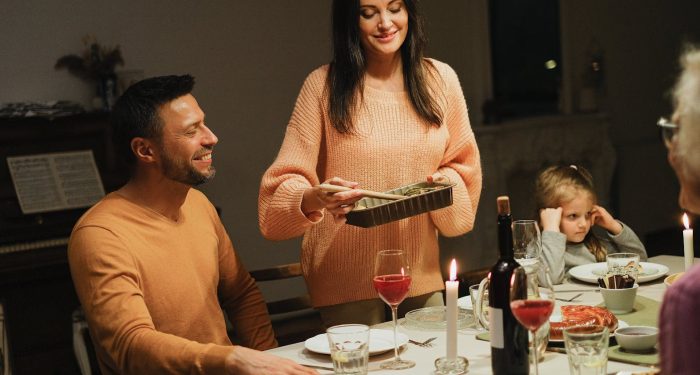
Last week, my 82-year-old neighbor told me she feels less lonely now than she did at 35, surrounded by a husband and three young children.
At first, this seemed impossible.
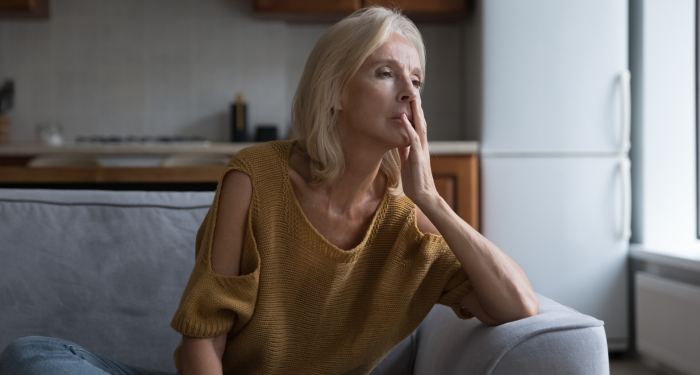
How could someone living alone, widowed for over a decade, feel less isolated than when her house was full of voices and constant activity?
But then I remembered my own years as a single mother, that peculiar ache of being desperately needed yet deeply unseen, and I understood exactly what she meant.
After spending the past decade navigating widowhood and watching friends do the same, I've noticed something striking: those of us who've crossed into our seventies and beyond carry a different understanding of loneliness than what we believed in our younger years.
We've learned truths about isolation that sound like platitudes when you're 40 but become profound revelations when you've lived long enough to test them against real loss, real silence, and real solitude.
1) Loneliness has nothing to do with how many people are in the room
You've probably heard this before, but have you really felt it?
I spent years at faculty meetings, surrounded by colleagues, feeling like I was speaking a foreign language nobody else understood.
Yet some of my least lonely moments have been sitting alone with my morning tea at 5:30 AM, journal open, completely at peace with just my own thoughts for company.
The crowded room can be the loneliest place on earth when nobody truly sees you.
We dismiss this as young people because we think proximity equals connection.
We schedule lunches, join clubs, stay busy.
But loneliness isn't about physical presence.
It's about being known, being understood, being accepted exactly as you are.
My widow's support group taught me this.
Eight women meeting once a month understood my grief better than the dozens of well-meaning friends who surrounded me daily after my husband died.
2) The people who promise to always be there often won't be
This isn't cynicism; it's mathematics.
When you reach 75, you've outlived many of the people who swore they'd never leave your side.
Death doesn't honor promises.
Neither does distance, divorce, or the simple drift of lives moving in different directions.
During my husband's seven-year battle with Parkinson's, I watched our social circle shrink.
Not from cruelty, but from the natural human inability to sustain intensity over time.
The friends who showed up weren't always the ones I expected.
The colleague I barely knew became my weekly coffee date.
The childhood friend who promised eternal support disappeared after the first hard year.
Young people think loyalty is about declarations.
Older people know it's about who's still answering the phone five years into the crisis.
3) Being alone and being lonely are completely different experiences
For six months after my husband died, I barely left the house.
Friends worried I was drowning in loneliness.
But here's what they didn't understand: I wasn't lonely during those months of solitude.
I was grieving, processing, rebuilding.
The loneliness had come earlier, during those final years when Parkinson's stole the man I married piece by piece, leaving me partnered but profoundly alone.
Now I choose solitude regularly.
That morning hour with my journal isn't empty time; it's full time.
Full of reflection, full of peace, full of my own company, which I've learned to genuinely enjoy.
Can you sit with yourself for an hour without distraction?
Without your phone, without music, without a task?
If not, you might want to ask yourself why your own company feels so uncomfortable.
4) Your relationship with yourself determines everything else
Here's something I wish I'd understood at 40: every other relationship in your life mirrors the one you have with yourself.
If you abandon yourself, others will too.
If you're harsh with yourself, you'll attract harsh people.
If you can't sit quietly with your own thoughts, no amount of external noise will fill that void.
5) Technology connects and isolates simultaneously
My grandchildren think I don't understand technology because I still print important emails.
But I understand something they don't yet: the difference between connection and the illusion of connection.
Those 500 Facebook friends aren't the same as one person who'll drive you to chemotherapy.
The instant messaging that makes us always available also makes us never fully present.
Do younger people dismiss this as technophobia from older generations? Perhaps.
But we've lived through the before and after.
We remember conversations without the constant ping of notifications.
We know what it's like to be fully present with someone because there was literally nowhere else our attention could go.
The loneliness of being physically together but mentally scattered across multiple screens is a particular modern ache.
6) Purpose matters more than people sometimes
After retiring from teaching, I felt adrift in ways that had nothing to do with missing my colleagues.
I missed having somewhere to be, something that mattered, minds to shape.
The loneliness wasn't social; it was existential.
7) Loss is cumulative but so is resilience
By 75, the losses stack up like November leaves.
Parents, siblings, spouses, friends, sometimes children.
Each goodbye changes you.
But here's what younger people don't see yet: you also develop a strange strength.
Not the brittle kind that pretends loss doesn't hurt, but the flexible kind that knows you can survive what once seemed unsurvivable.
After losing my second husband, I discovered reserves I didn't know existed.
Was it because I'd already survived single motherhood, divorce, career changes, and a thousand smaller losses? Probably.
Each grief had taught me something about endurance, about the way life insists on continuing even when you think it can't possibly.
8) Meaning-making is a choice, not a discovery
Young people search for meaning as if it's hidden treasure waiting to be found.
Older people know you create it, daily, through small choices and conscious attention.
The meaning isn't out there; it's in how you choose to see what's already present.
Recently, I explored Your Retirement Your Way, Jeanette Brown's new course about navigating life transitions.
The course reminded me that retirement isn't an ending but a beginning, a chance for reinvention rather than retreat.
Jeanette's guidance particularly resonated when she discussed how our beliefs about aging literally shape our reality.
I wish I'd had this resource when I first retired.
It would have saved me months of feeling lost, helping me understand sooner that fulfillment comes from authentic self-expression, not from checking off society's retirement activity list.
Final thoughts
If you're under 75 and reading this, you might think you understand these points intellectually.
I thought I did too, back when my hair was brown and my knees didn't announce weather changes.
But knowing something in your head and knowing it in your bones are different kinds of wisdom.
The second type only comes from living through the very experiences we spend our younger years trying to avoid.
Perhaps that's exactly as it should be.