Former luxury hospitality worker reveals the shocking behaviors that instantly expose guests who aren't used to nice accommodations - and why hosts secretly share warnings about them in private Facebook groups.

Add VegOut to your Google News feed. 
Look, I need to be honest here - I spent over a decade working in luxury hospitality, and the stories I could tell would make your jaw drop.
But today's topic hits different because it reminds me of something that happened when I first started hosting my own place on Airbnb.
A lovely couple checked in, and everything seemed fine until I found myself replacing half my kitchen supplies and dealing with complaints from neighbors.
They weren't bad people at all - they just didn't know the unwritten rules that make the difference between being a good guest and being the one hosts warn each other about in private Facebook groups.
After years of serving ultra-wealthy families at high-end resorts and now hosting my own place, I've noticed patterns. And here's the uncomfortable truth: There are certain things that immediately signal to hosts that a guest might not be used to staying in nicer accommodations.
These behaviors aren't about being deliberately inconsiderate - they're usually about not knowing better.
So let's talk about what hosts are really saying after you leave.
1) They treat amenities like they're at an all-inclusive resort
Remember that scene in Home Alone 2 where Kevin raids the hotel mini bar? Yeah, that's what some guests think "amenities included" means.
I once had guests who used an entire bottle of olive oil (the good stuff I'd left for cooking), every single coffee pod in the apartment, and went through a month's supply of dishwasher tablets in three days.
When I asked about it later, they genuinely thought everything was unlimited because the listing said "amenities provided."
Here's what hosts mean by amenities: We're giving you starter supplies. A few coffee pods for your morning brew. Some olive oil for cooking. Basic toiletries if you forgot something. We're not restocking your entire kitchen for the week.
The wealthy clients I used to serve? They'd often leave amenities untouched or even add to them. One family left a note saying they'd replaced the olive oil they used. That's the difference between understanding hospitality and taking advantage of it.
2) They ignore quiet hours like they don't exist
Growing up with teacher parents meant early mornings and quiet evenings were sacred in our house. Maybe that's why this one particularly gets to me.
You'd be amazed how many guests think "quiet hours after 10 PM" is more of a suggestion than a rule. They'll have full-volume conversations on the balcony at midnight, slam doors like they're trying to wake the dead, or decide 2 AM is the perfect time to rearrange furniture.
The thing is, when you're staying in someone's property in a residential area, you're not just representing yourself - you're representing every future guest.
Those neighbors who are glaring at you? They're the ones who can make a host's life hell or even get their rental permit revoked.
3) They bring extra guests without asking
"Oh, my cousin lives nearby so I told them to stop by." "It's just two more people for dinner." "They're not staying overnight, what's the big deal?"
The big deal is insurance, liability, and house rules. When I worked at high-end resorts, we tracked every single person on property for safety reasons. Your Airbnb host has the same concerns, plus they're often paying for utilities and amenities based on the stated number of guests.
I get it - when you're paying for a space, it feels like it's yours to use however you want. But that's hotel thinking, not Airbnb thinking. This is someone's property, and extra guests mean extra wear, extra risk, and potentially angry neighbors who signed up for a quiet street, not a party house.
4) They leave the place like housekeeping is coming
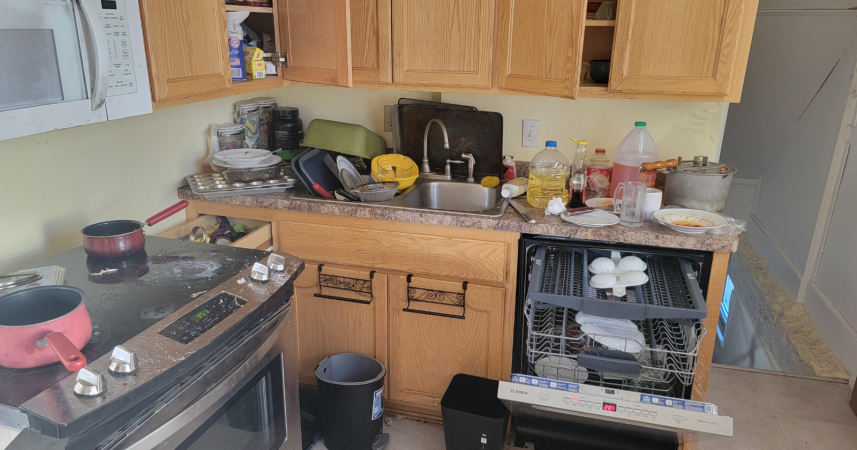
This one kills me. Dishes piled in the sink, trash overflowing, wet towels on the bed, food left out on counters. I've walked into checkouts that looked like crime scenes.
Yes, you're paying a cleaning fee. No, that doesn't mean you should leave the place looking like a tornado hit it. The cleaning fee covers normal cleaning - vacuuming, sanitizing, changing linens, restocking supplies. It's not a license to trash the place.
Working with ultra-wealthy families taught me something interesting: The truly wealthy often leave spaces cleaner than they found them. It's about respect, not about who's cleaning up after you.
5) They damage things and don't say anything
Accidents happen. I've broken wine glasses, stained towels, and once accidentally put a hot pot on a wooden table (still cringing about that one). The difference? I immediately told the host and offered to pay for it.
What drives hosts crazy is finding damage after guests leave and getting a response like "Oh yeah, that was already broken" or complete radio silence. We know our properties. We notice when the coffee maker suddenly doesn't work or when there's a mysterious stain on the couch.
Here's a secret from my hospitality days: Honesty about damage actually builds trust. The wealthy clients who broke something expensive? They'd report it immediately and handle it with class. The ones who tried to hide it? They were the ones we'd flag in our system.
6) They don't read the house manual
Every host spends hours creating a house manual. WiFi passwords, trash day schedules, how to work the TV, where to find extra toilet paper, local recommendations - it's all there.
Yet I constantly get messages asking questions that are literally answered in the first page of the manual. Or worse, guests who don't follow basic instructions and then complain when things don't work.
"The AC doesn't work!" (They didn't turn it on correctly.) "We couldn't find any towels!" (They're exactly where the manual says they are.) "The WiFi is broken!" (They're trying to connect to the neighbor's network.)
Reading the manual takes five minutes. Not reading it wastes everyone's time and immediately tells your host you don't respect their effort to make your stay smooth.
7) They haggle after booking
"Hey, since we're staying five nights, can you throw in early check-in?" "The cleaning fee seems high, can you reduce it?" "We're very clean guests, do we really need to pay the full security deposit?"
This isn't a street market. The price you agreed to when booking is the price. Trying to negotiate after the fact is like ordering a meal at a restaurant and then trying to haggle when the check comes.
The wealthy families I served never haggled - they understood value and either booked or didn't.
If something was genuinely wrong, they'd address it professionally. But trying to squeeze extras or discounts after booking? That's a quick way to get on a host's "never again" list.
8) They leave honest but brutal public reviews for minor issues
Finally, this might be the most painful one. A guest has a great stay, thanks you profusely, says everything was wonderful, then leaves a 3-star review because the water pressure wasn't perfect or the neighbor's dog barked once.
In the Airbnb world, anything less than 5 stars can seriously hurt a host's business. That brutal honesty about minor inconveniences? Save it for the private feedback.
Public reviews should reflect the overall experience, not every tiny imperfection.
The wealthy clients I worked with understood discretion. They knew how to give feedback privately and praise publicly. It's not about lying - it's about understanding that you're reviewing someone's livelihood, not just a property.
Final thoughts
Here's the thing - none of these behaviors make someone a bad person. Growing up with teacher parents who valued education over material wealth, I learned that knowledge and respect matter more than money. But sometimes we don't know what we don't know.
The difference between being a guest hosts love and one they warn others about isn't about how much money you have. It's about understanding that you're staying in someone's property, not a hotel. It's about respect, communication, and basic consideration.
Want to be the guest hosts rave about? Read the house manual, communicate openly, treat the space with respect, and remember that behind every listing is a real person trying to provide you with a great experience while protecting their investment.
The best guests I've hosted weren't necessarily the wealthiest - they were the ones who treated my place like they'd want theirs treated. And really, isn't that what it all comes down to?