Staying youthful after 60 is about repeating a handful of high-impact foods so often they become your default.
If you’ve ever met someone in their 60s or 70s who looks like they hacked the system, you’ve probably wondered what their “secret” is.
Sure, genetics matter, sleep matters, and stress matters but food is the daily lever most of us can actually pull.
The people who seem to keep their energy, skin, and sharpness tend to eat a handful of not very glamorous foods on repeat.
Here are seven I keep seeing, and a few ways to make them easy, not precious:
1) Berries
If I could put one food on autopilot for “looking and feeling younger,” it’s berries.
Not because they’re magical, but because they’re basically a shortcut to a lot of what aging bodies love: Fiber, hydration, and a ridiculous amount of plant compounds that help with inflammation and oxidative stress.
Those two things are like the background noise of aging.
You don’t always notice them day to day, but you feel the volume when it’s high.
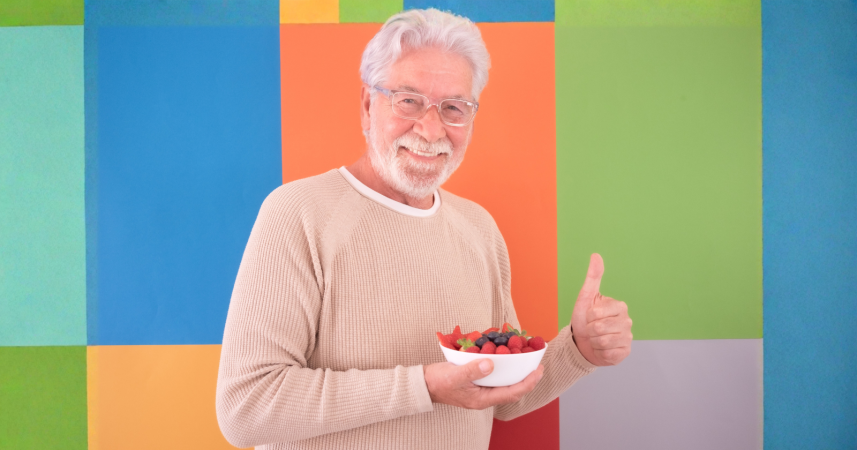
The youthful-after-60 crowd treat berries like a staple: A handful on oatmeal, a bowl with a little plant yogurt, and frozen berries blended into a smoothie when you’re short on time.
Also, berries are one of those foods that make “healthy eating” feel like less of a chore.
Berries are sweet, low effort, and don’t require a personality makeover.
If you’re thinking, “Berries are expensive,” frozen berries are your friend.
2) Leafy greens
Let me guess, you’ve heard this one a million times: Greens.
Yes, still greens, but here’s why I think they actually matter for staying youthful: Leafy greens are the ultimate “nutrient density” play.
You get vitamins, minerals, and a ton of plant chemicals for basically no calorie cost.
That’s helpful as appetite shifts with age, or when you want to keep your weight steady without feeling deprived.
I also notice something behavioral here: People who eat greens daily tend to be the kind of people who build systems, not willpower. They don’t debate it every day.
They do the “greens default.”
A handful of spinach goes into whatever they’re making, a big salad shows up next to lunch, and a simple sautéed kale situation happens while the rest of dinner cooks.
When I’m on my game, I keep a big box of greens in the fridge and treat it like a baseline ingredient.
To change the texture: Toss them into soup, blend them into sauce, or crisp them in the oven.
3) Legumes
Beans and lentils are not trendy, which is kind of the point.
People who stay youthful after 60 tend to eat in a way that’s quietly consistent, not influencer-loud.
Legumes are the definition of consistent fuel: Fiber for your gut, slow-burning carbs for energy, and a solid amount of protein to support muscle as you age.
Fiber is one of those boring-sounding nutrients that changes everything such as energy, digestion, cholesterol, and even how stable your mood feels after meals.
Also, legumes are a “future you” food as they make your next few hours easier.
Less snacking, less crash, and less weird hunger that turns into “I guess I’ll eat chips for dinner.”
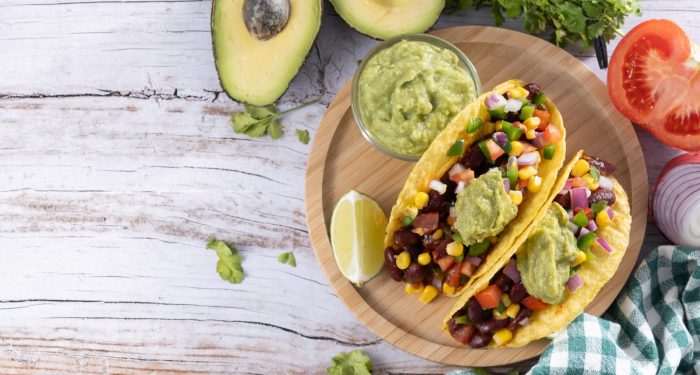
My lazy move is canned beans: Rinse them, then add olive oil, lemon, salt, pepper, maybe some chopped herbs.
Suddenly you have a meal component that makes you look like a functional adult!
If you want to be extra efficient, cook lentils once and throw them into salads, tacos, grain bowls, or pasta sauce all week.
Youthful people repeat what works.
4) Nuts
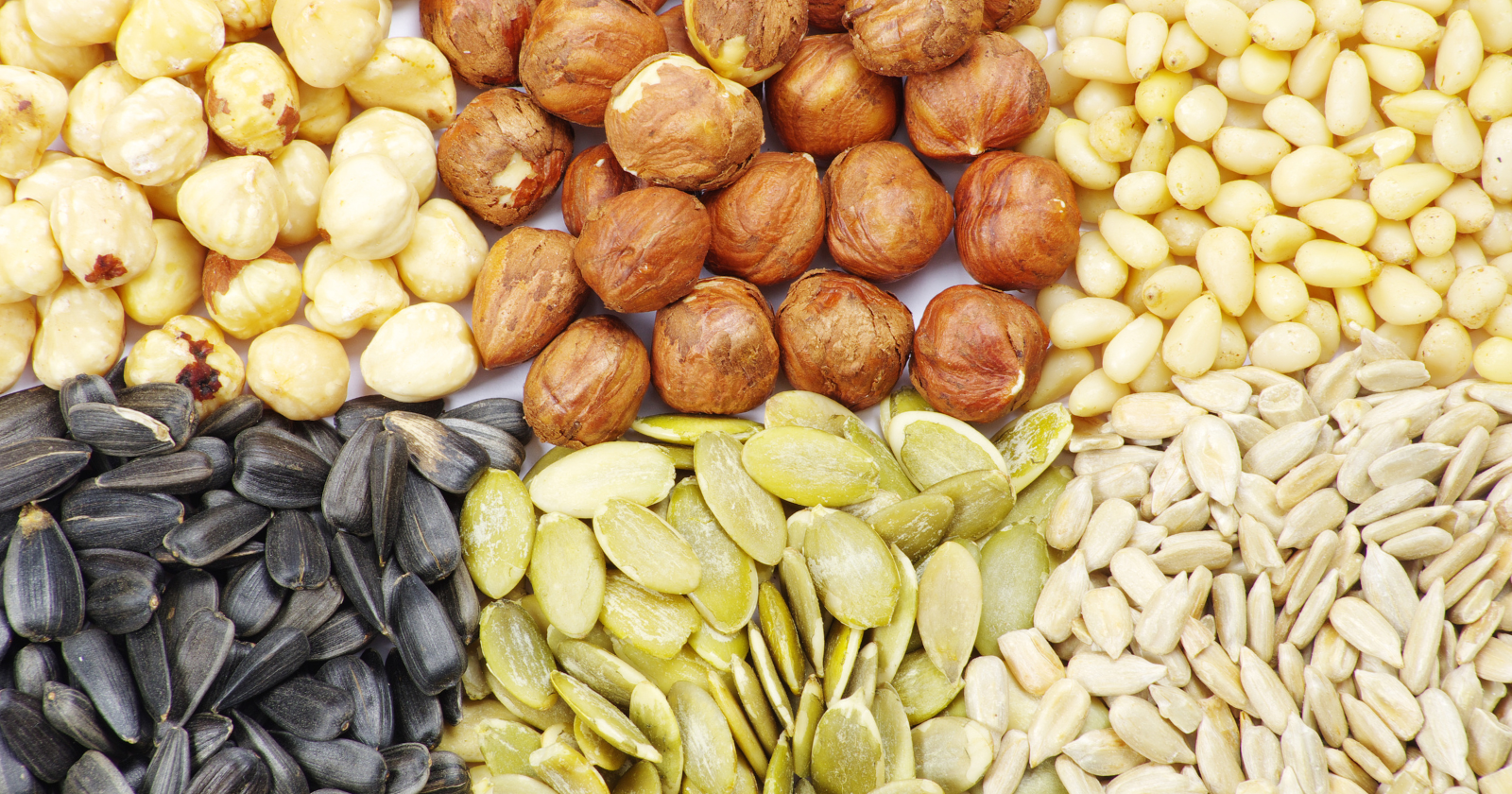
If you’re aiming for youthful aging, you want foods that do a lot in a small package, nuts do.
They bring healthy fats, minerals, and a satisfying crunch that makes meals feel complete and that “complete” feeling matters.
The real enemy of good eating is the constant feeling that you’re missing something.
Nuts help with that.
I see a lot of “daily nut people” doing the same simple routines: A small handful in the afternoon, nuts on salad, nuts in oatmeal, or a spoonful of nut butter with fruit.
They’re also great for anyone trying to keep muscle and energy steady, because fats and protein slow down digestion and keep you from riding the blood sugar roller coaster all day.
One note, because it matters: Nuts are dense, so you don’t need a trough of them.
Think “handful,” not “bag.”
If you’re not a plain-almond person, you don’t have to be.
Pistachios, walnuts, cashews, tahini, and peanut butter; the best nut is the one you’ll actually eat regularly.
5) Fermented foods
Do you know someone who’s older but somehow never seems “off” energy-wise?
Like their digestion works, their mood is steady, and they don’t get knocked out for three days by a random heavy meal?
A lot of them have some kind of fermented food habit.
I’m talking about things like sauerkraut, kimchi, miso, tempeh, and plant-based yogurt with live cultures.
Your gut is a big deal for everything from inflammation to immune function, and fermented foods are a simple nudge in the right direction.
Personally, I didn’t grow up eating much of this stuff, so I had to learn it the travel way.
In a few places I’ve visited, fermented foods weren’t “health foods.”
They were just food: A little side, a little condiment, and a normal part of the plate.
Add a small amount most days, such as miso in a quick soup, kimchi with rice and veggies, sauerkraut on a sandwich, and tempeh in a stir-fry.
6) Whole grains
If your idea of youthful eating is “cut carbs forever,” I get it.
The internet loves a villain, but most people who stay vibrant after 60 are selective.
They tend to choose whole grains that come with fiber and micronutrients: Oats, quinoa, brown rice, barley, farro, whole wheat, and even good sourdough for some people.
Whole grains are steady energy as they’re the kind of food you can build a life on because they’re filling, flexible, and not emotionally exhausting to plan around.
I’m a big oats person, mostly because it’s the easiest breakfast on earth.
Oats plus berries plus nuts is basically a “don’t make decisions today” meal, and decision fatigue is real.
The fewer daily food decisions you have to negotiate with yourself, the more likely you are to keep a routine for years.
Also, whole grains are an underrated “keep things moving” tool.
If you know, you know; after 60, regularity is not a small thing.
7) Olive oil
Olive oil is one of those foods that doesn’t look like “anti-aging” at first glance.
However, people who age well often have a fat source they trust and use consistently, and extra virgin olive oil shows up a lot.
It’s a simple way to get more heart-friendly fats and those plant compounds that come along for the ride.
It also makes healthy food taste good, which is not a minor detail. I
f your vegetables taste like punishment, you’re not going to eat them daily for the next 20 years.
Olive oil makes vegetables feel like real food.
Here’s what I see the youthful crowd doing: They drizzle it on beans, on salads, on roasted veggies, on soups.
They use it as a finishing touch, not just something to cook with.
My personal rule is boring, but effective: If I’m eating something plant-heavy, I want it to be satisfying.
Olive oil helps the meal land and, when meals land, you don’t go hunting for snacks an hour later.
Just make sure it’s extra virgin and stored away from heat and light, so treat it like the fresh ingredient it is!
The bottom line
Staying youthful after 60 is about repeating a handful of high-impact foods so often they become your default: Berries, greens, legumes, nuts, fermented foods, whole grains, and olive oil.
It's not exciting nor complicated, but that’s the point.
Which one of these can you make “almost daily” without turning your life into a nutrition spreadsheet?
Start there, and your future self will feel it.
Just launched: Laughing in the Face of Chaos by Rudá Iandê
Exhausted from trying to hold it all together?
You show up. You smile. You say the right things. But under the surface, something’s tightening. Maybe you don’t want to “stay positive” anymore. Maybe you’re done pretending everything’s fine.
This book is your permission slip to stop performing. To understand chaos at its root and all of your emotional layers.
In Laughing in the Face of Chaos, Brazilian shaman Rudá Iandê brings over 30 years of deep, one-on-one work helping people untangle from the roles they’ve been stuck in—so they can return to something real. He exposes the quiet pressure to be good, be successful, be spiritual—and shows how freedom often lives on the other side of that pressure.
This isn’t a book about becoming your best self. It’s about becoming your real self.