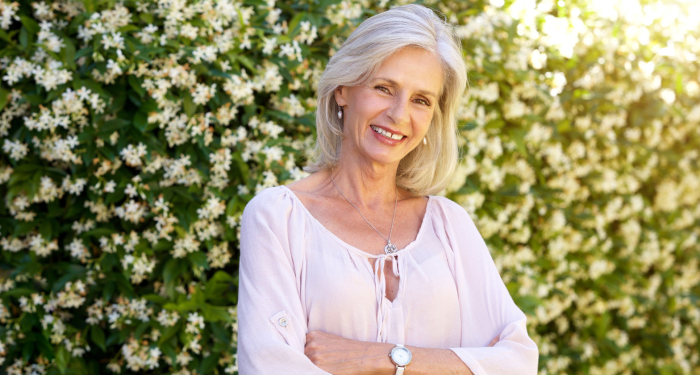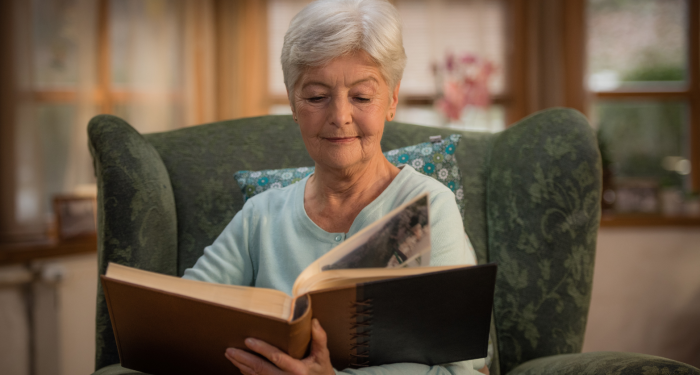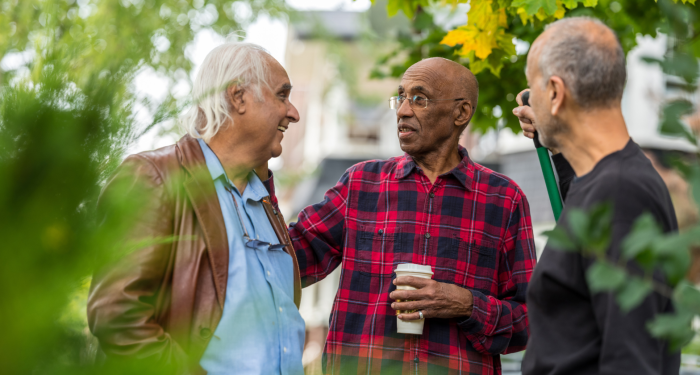
While younger generations dominate headlines about isolation and mental health, the generation that spent decades orchestrating every potluck, carpool, and community gathering now finds themselves alone in houses that once overflowed with the very connections they worked so hard to create.

Add VegOut to your Google News feed. 
Last week, I watched a documentary about Gen Z's mental health crisis, filled with statistics about young people feeling isolated despite being the most connected generation in history. But later that evening, I called my 78-year-old friend who hasn't seen her grandchildren in six months, and I thought: we're looking at loneliness through the wrong end of the telescope.
The narrative is everywhere. Young people are lonely, scrolling through their phones, missing real connection. And yes, that's true and troubling. But there's another loneliness epidemic happening in plain sight, one we rarely discuss because it doesn't fit our cultural obsession with youth. It's happening to the generation that literally invented the potluck dinner, the neighborhood barbecue, and the concept of having your entire extended family over every Sunday.
Think about it. The boomers were the ultimate social architects. They created book clubs that lasted decades. They organized carpools that became mini therapy sessions. They threw dinner parties where people actually stayed past 10 PM. They built entire communities around their children's activities, standing on sidelines, sitting through recitals, organizing bake sales that somehow funded entire school programs.
And now? Now they're sitting in houses that once burst with noise, wondering when everyone got so busy.
The great disappearing act
When I retired from teaching six years ago, I expected to finally have time for all those lunches with friends I'd been postponing for years. What I didn't expect was how many of those friends had already vanished into the ether of modern life. Some moved to be closer to their children (who, ironically, are too busy to see them much). Others retreated into caregiving roles for aging parents or ailing spouses. And some simply faded away, our connection apparently held together all those years by the thin thread of workplace proximity.
The infrastructure we built was magnificent while it lasted. But it turns out it was more fragile than we realized. All those connections we thought were permanent? They were situational. The other soccer parents, the PTA friends, the couples we vacationed with when our marriages were intact - they were held together by circumstances, not by the deeper bonds we imagined.
After my divorce, I learned this lesson painfully. Suddenly, the dinner invitations dried up. Not because people were cruel, but because I'd become geometrically inconvenient. A single woman at a couples' dinner party throws off the seating arrangement in more ways than one. The friends who remained were golden, but they were fewer than I'd expected. Female friendships, I discovered, require tending like a garden. Without the automatic irrigation system of shared activities and mutual obligations, many of them simply withered.
When the music stops
There's a particular kind of silence that descends on a house after children leave. It's not just the absence of sound; it's the absence of purpose. For decades, our days were structured around other people's needs. Soccer practice at 4, dinner at 6, homework help at 7. Even our social lives revolved around our roles as parents. We were somebody's mom or dad first, ourselves second.
Now what? The recurring meetings are over. The phone doesn't ring with urgent requests. The calendar that was once a complex Tetris game of obligations stretches out empty. Is it any wonder that so many of us feel adrift?
My children, Daniel and Grace, both successful and loving adults, call regularly. But regularly isn't daily. They have their own complex Tetris games now, their own obligations and infrastructures to build and maintain. When they visit, it's wonderful, but it's also scheduled weeks in advance, like a business meeting with love and lasagna.
The invisible generation
Here's what nobody tells you about aging: you become gradually invisible. Not all at once, but slowly, like a photograph fading in sunlight. The world is designed for the young and middle-aged. Advertisements speak to everyone but you. Technology advances at a pace that assumes you have a teenager nearby to explain things. Social movements rally around every form of discrimination except the one that awaits everyone lucky enough to live long enough.
When was the last time you saw a news article about the epidemic of loneliness among seventy-somethings? We've pathologized teen depression and young adult anxiety (rightfully so), but we've normalized elder loneliness as if it's just part of the package, like reading glasses and joint pain.
The cruel irony is that boomers have more to offer than ever. They have wisdom earned through experience, time to volunteer, stories to tell, skills to teach. But society has largely decided they're past their expiration date. We warehouse them in retirement communities and senior centers, segregating them from the very communities they helped build.
Building new bridges
But here's where I push back against despair. Because if there's one thing this generation knows how to do, it's build something from nothing. We protested wars, fought for civil rights, invented entire industries. Surely we can figure out how to create connection in our later chapters.
I've started to see it happening in small ways. Book clubs that meet over Zoom, bringing together friends scattered across the country. Walking groups that provide both exercise and conversation. Community gardens where wisdom about tomatoes gets passed along with wisdom about life. These aren't the grand social infrastructures of our child-rearing years, but they're something. They're ours.
Speaking of finding your next act, some of that rebuilding is happening around the table too — new rituals, new ways of eating and gathering that feel genuinely chosen rather than inherited. VegOut Magazine's free February issue is quietly about exactly that kind of reinvention, if that resonates.
The key, I'm learning, is to stop waiting for others to include us and start creating our own inclusion. It requires a different kind of courage than we needed when we were young. Then, we were building for our children, for our families, for the future. Now, we're building for ourselves, and somehow that feels both more selfish and more necessary.
Final thoughts
The loneliest generation isn't defined by their technology use or their age. It's defined by the gap between what they built and what remains. Boomers created vast networks of connection, only to watch them dissolve once their primary purpose was served. They hosted everything, organized everything, showed up for everything, and now they're wondering why reciprocity feels like a foreign concept.
But perhaps the answer isn't to mourn what's lost but to recognize what's possible. The same generation that built those original infrastructures can build new ones. Different ones. Ones that don't depend on raising children or maintaining marriages or showing up at offices. The tools may have changed, the faces may be different, but the fundamental human need for connection remains the same.
The quiet houses don't have to stay quiet. They're just waiting for their next act.