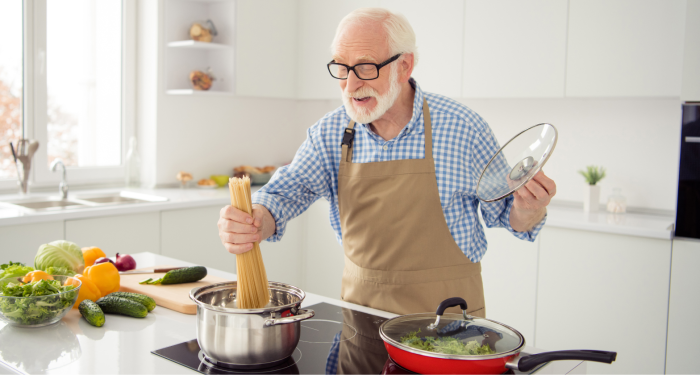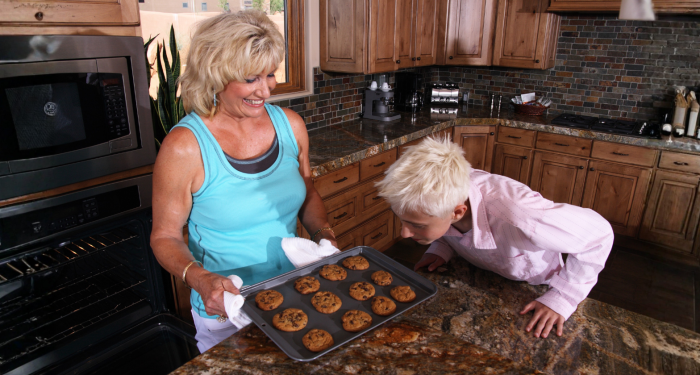
From mastering knife skills to managing kitchen chaos, those childhood hours spent cooking alongside family members quietly forged a unique set of life skills that extend far beyond the ability to whip up a perfect soufflé.
Remember those Sunday afternoons at my grandmother's house? The kitchen would be alive with the sound of sizzling pans and the aroma of her legendary roast filling every corner of the house. At eight years old, I was her eager sous chef, peeling potatoes, stirring gravy, and learning that cooking was about so much more than just following recipes.
Those early kitchen lessons shaped me in ways I'm only now beginning to understand. After spending years in the luxury F&B world and now writing about personal development, I've noticed something fascinating: the adults who learned to cook as children tend to share certain remarkable strengths.
Think about it. When was the last time you met someone who grew up cooking and wasn't incredibly resourceful? Or lacked patience? There's something transformative about learning to work with fire, sharp knives, and temperamental dough when your biggest worry should be Saturday morning cartoons.
Let me walk you through the ten strengths I've observed in people who spent their childhoods mastering the art of the kitchen.
1. They handle pressure like pros
Ever tried making dinner for six while everything decides to go wrong simultaneously? The pasta boils over, the smoke alarm goes off, and suddenly you realize you forgot to buy garlic. Welcome to my Tuesday night last week.
But here's the thing: when you learn to cook young, chaos becomes your training ground. You develop this almost supernatural ability to stay calm when everything around you is falling apart. That kitchen training has saved me more times in boardrooms and life crises than I can count.
2. They think creatively on their feet
Remember being twelve and realizing halfway through making cookies that you're out of eggs? You learn to improvise. Banana? Applesauce? A prayer and extra butter?
This creative problem-solving becomes hardwired into your brain. Today, when clients throw curveballs or projects take unexpected turns, that same innovative thinking kicks in. You don't panic; you pivot.
The best chefs will tell you that recipes are suggestions, not commandments. Growing up in the kitchen teaches you to trust your instincts and work with what you have, a skill that translates beautifully into entrepreneurship and life.
3. They understand delayed gratification
Making bread from scratch is basically a masterclass in patience. Mix, knead, wait. Shape, proof, wait some more. The payoff comes hours, sometimes days later.
Kids who cook learn early that the best things in life require time and effort. They understand that instant isn't always better. This translates into everything from building careers to maintaining relationships. They're the ones who can work on long-term projects without getting discouraged, who understand that success is a slow simmer, not a microwave meal.
4. They pay attention to details
The difference between a tablespoon and a teaspoon can mean the difference between a perfect cake and a disaster. When you learn this at ten years old, you develop a keen eye for detail that never really goes away.
These are the adults who catch typos in important emails, notice when something's off in a financial report, and remember the small preferences that make people feel seen and valued. They understand that excellence lives in the margins.
5. They embrace failure as learning
My first solo attempt at making pasta from scratch resulted in something that could have doubled as industrial adhesive. But instead of never trying again, I learned what went wrong and tried again the next weekend.
Kitchen failures are immediate and undeniable. You can't pretend burnt chicken is perfectly cooked. This brutal honesty teaches young cooks to face their mistakes head-on, learn from them, and move forward. As adults, they're less likely to be paralyzed by perfectionism or fear of failure.
6. They excel at project management
Have you ever watched a kid coordinate making Thanksgiving dinner? They're managing multiple dishes with different cooking times, temperatures, and techniques. They're essentially running a complex project with multiple moving parts and a hard deadline.
These skills transfer directly to adult life. They can juggle multiple responsibilities, prioritize tasks, and ensure everything comes together at the right moment. They're natural project managers because they've been doing it since they could reach the counter.
7. They value quality over convenience
When you've tasted the difference between homemade marinara and the jarred stuff, you understand that shortcuts often shortchange you. This appreciation for quality extends beyond food.
These adults tend to make thoughtful purchases, invest in experiences over things, and understand that paying a bit more for quality often saves money in the long run. They've internalized the lesson that good things are worth the effort.
8. They build connections through generosity
Food is love made tangible. Kids who cook learn early that sharing something you've made with your own hands is one of the most genuine ways to show you care.
As adults, they're often the ones organizing team lunches, bringing homemade treats to the office, or hosting dinner parties. They understand that generosity creates bonds and that sometimes the best business deals happen over a home-cooked meal.
9. They approach tasks with mindfulness
Cooking demands presence. You can't properly caramelize onions while scrolling through your phone. For me, making pasta from scratch is a form of active meditation, requiring complete focus on the texture of the dough, the rhythm of kneading, the feel of it transforming under my hands.
Adults who cooked as children often display this same mindful approach to other tasks. They can focus deeply, work without constant distraction, and find satisfaction in the process, not just the outcome.
10. They understand systems and processes
Finally, cooking teaches you that most complex tasks can be broken down into simple, repeatable steps. You learn to see patterns, understand sequences, and recognize that mastery comes from perfecting fundamentals.
These adults excel at creating and optimizing systems in their work and personal lives. They can look at a complicated problem and instinctively break it down into manageable components. They understand that consistency plus small improvements equal excellence over time.
Final thoughts
Looking back at those Sunday afternoons in my grandmother's kitchen, I realize she was teaching me about far more than just cooking. She was building resilience, creativity, patience, and a dozen other qualities that would serve me throughout my life.
If you grew up cooking, recognize these strengths in yourself. They're not accidents; they're the result of years of training in one of life's most practical laboratories.
And if you didn't? Well, it's never too late to start. Pick a recipe this weekend, something slightly beyond your comfort zone. Make mistakes, learn, try again. The kitchen is waiting to teach you lessons that extend far beyond the plate.
Because at the end of the day, cooking isn't just about feeding ourselves. It's about developing the skills, mindset, and character that help us thrive in every aspect of our lives.