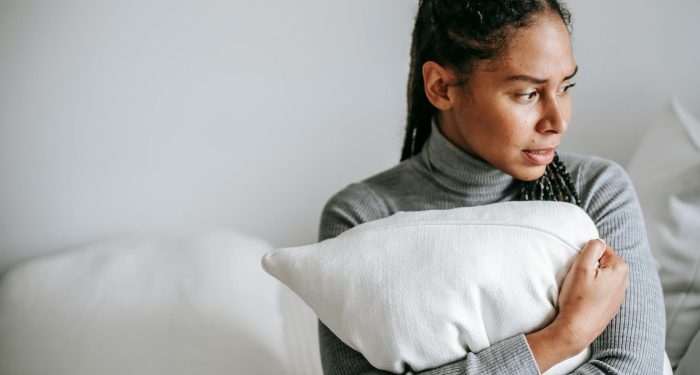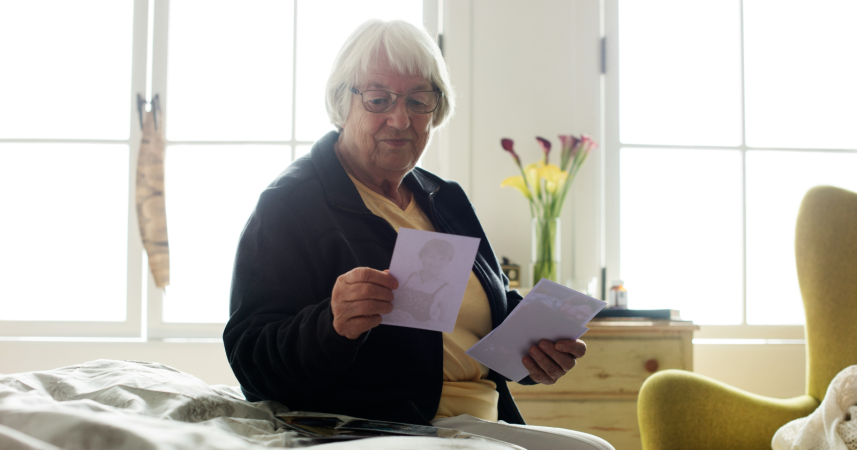
Standing in rooms stripped bare of forty years of family life, I discovered the peculiar grief of being the sole keeper of memories nobody else wanted to preserve—not even my own children.
The morning I handed over the keys, I stood in the empty living room and listened to the echo of my footsteps on the hardwood floors. Sunlight streamed through bare windows, illuminating dust motes that danced in the air where my grandmother's china cabinet once stood. The walls showed pale rectangles where family photos had hung for decades, like ghosts of the life we'd built there. After forty years, the house was just walls and windows again, waiting for someone else's story to begin.
What struck me most wasn't the emptiness itself, but the weight of what had happened in the months before. I'd carefully set aside treasures for my two adult children: the rocking chair where I'd nursed them both, the desk where they'd done homework through tears and triumphs, even the mismatched Christmas ornaments they'd made in elementary school. Each item carried the fingerprints of our shared history. Yet when I offered these pieces to them, they politely declined every single one.
When memories become burdens
Have you ever held something precious in your hands, only to discover that its value exists solely in your own heart? That's what happened as I walked through each room, selecting items I was certain my children would want. The ceramic handprint from kindergarten. The trophy from that championship soccer game. The quilt their grandmother had sewn by hand.
"Mom, I just don't have room," my daughter said gently over the phone. My son echoed the same sentiment from his apartment three states away. They weren't being cruel or dismissive. They were being practical in a way that I, standing surrounded by four decades of accumulation, couldn't quite manage to be.
The truth is, our children live in a different world than the one where we collected china sets and silver serving spoons. They move more frequently, live in smaller spaces, and value experiences over objects in ways that sometimes feel foreign to those of us who grew up believing that certain things should be passed down through generations. They photograph everything but keep nothing. And perhaps they're onto something.
The weight of letting go
Virginia Woolf once wrote that "every secret of a writer's soul, every experience of his life, every quality of his mind, is written large in his works." The same could be said of our homes. Every corner held a story, every object a memory. The kitchen table wasn't just wood and varnish; it was birthday cakes and science projects, difficult conversations and laughter until our sides hurt.
Walking through those rooms, preparing for the estate sale, I found myself grieving not just the loss of objects but the erasure of evidence. Without these physical anchors, would the memories themselves start to drift away? Would my children forget the Saturday mornings we made pancakes in that kitchen, or the way their father and I slow-danced in the living room after they'd gone to bed?
The estate sale organizer was kind but efficient. "These depression-era glass pieces will sell well," she said, handling my mother-in-law's collection with professional detachment. I wanted to tell her about the Sunday dinners, about how my mother-in-law taught me to set a proper table when I was a young bride feeling overwhelmed by motherhood. Instead, I simply nodded and moved to the next room.
Finding freedom in empty spaces
Something unexpected happened after the sale ended and strangers carried away the physical evidence of my family's life. Standing in that empty house, I felt something lift from my shoulders. For months, I'd been the curator of a museum nobody wanted to visit. Now, released from that role, I could see these objects for what they'd become: obligations rather than treasures, anchors rather than wings.
My children, it turned out, weren't rejecting our shared history. They were choosing to carry it differently. My daughter texts me photos of her own children constantly, sharing moments as they happen rather than saving them for later. My son calls more often now that I'm not trying to convince him to take the dining room set. They want the stories, not the stuff.
In my new, smaller home, I've kept only what truly matters to me. The recipe box I discovered while packing still sits on my counter, filled with my mother's handwritten cards. Some are stained with vanilla extract and chocolate, evidence of actual use rather than mere preservation. When I make her apple cake, I'm connected to her in a way that having her good china never quite achieved.
What we really pass down
Do our children truly need our objects to remember their childhoods? Or do we need them to need these things to validate that our years of accumulation meant something? These are uncomfortable questions, but necessary ones.
The family who bought my house has three young children. The realtor mentioned they were excited about the big backyard, the tree perfect for a swing, the bedroom at the top of the stairs where you can see the sunrise. They'll create their own memories in those spaces, and that continuity of life feels more meaningful than any physical object gathering dust in an attic.
What we really pass down isn't furniture or photo albums or sterling silver. It's the way we taught our children to comfort a friend, to persist through difficulty, to find joy in small moments. It's the stories we tell and retell until they become family mythology. It's the values we lived out, imperfectly but persistently, in that house and beyond its walls.
Final thoughts
The other day, my daughter called to ask for my mother's apple cake recipe. As I read it to her over the phone, I could hear her kids playing in the background, and I realized this was the inheritance that mattered. Not the kitchen where I'd made that cake a hundred times, but the knowledge of how to make it, the memory of its smell filling the house, the tradition of baking it for people we love.
Our children don't want our things because they're building their own lives, collecting their own memories, creating their own traditions. And perhaps that's the greatest success we can claim as parents: raising children confident enough to honor the past without being burdened by it, wise enough to know that love isn't measured by what we keep but by what we carry forward in our hearts.
What’s Your Plant-Powered Archetype?
Ever wonder what your everyday habits say about your deeper purpose—and how they ripple out to impact the planet?
This 90-second quiz reveals the plant-powered role you’re here to play, and the tiny shift that makes it even more powerful.
12 fun questions. Instant results. Surprisingly accurate.