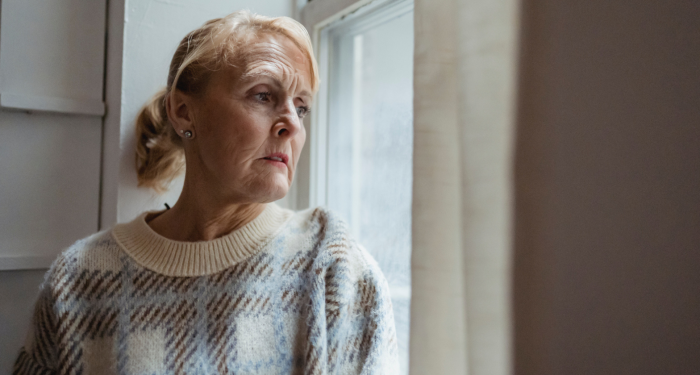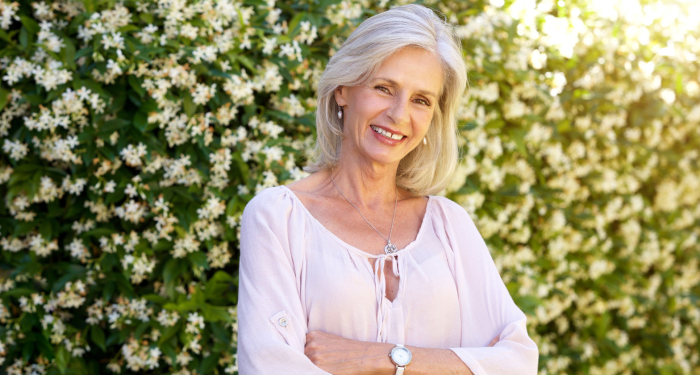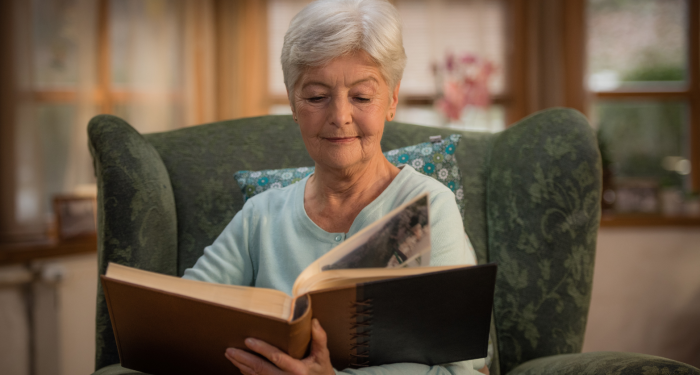
While her peers post photos from Parisian cafés and Himalayan base camps, she's become an expert navigator of medical waiting rooms and pharmacy aisles—discovering that sometimes the most challenging journey is the one that happens within the same four walls.

Add VegOut to your Google News feed. 
Last week, I found myself laughing at the absurdity of it all. There I was, organizing my pill dispenser with the same meticulous care I once reserved for planning European itineraries. The irony wasn't lost on me—I'd spent decades collecting travel brochures and now I collect prescription bottles. The glossy photos of Tuscan vineyards have been replaced by appointment reminder cards, and my passport, still optimistically renewed, sits in a drawer gathering dust while my Medicare card gets a daily workout.
This isn't the retirement story we tell ourselves during those grinding work years, is it? We imagine ourselves as those silver-haired couples in pharmaceutical commercials, hiking mountain trails or learning to tango in Buenos Aires. Nobody mentions the version where your most exotic destination is the MRI suite at the medical center downtown.
When your body becomes a full-time job
After teaching high school English for 32 years, I took early retirement at 64 when my knees simply couldn't handle another day of standing at the blackboard. I remember thinking retirement would finally give me time to do everything I'd postponed. Instead, I discovered that managing my health had become my new career, complete with its own schedule, deadlines, and performance reviews.
The knee replacements came at 65 and 67. Each surgery meant months of physical therapy, where I learned that recovery isn't just about healing—it's about rebuilding your entire relationship with your body. You become intimately familiar with muscles you never knew existed, and you celebrate victories so small they would have been invisible in your former life. Walking to the mailbox without a cane? That's a triumph worthy of champagne, or at least the herbal tea your doctor recommends.
Then came the arthritis in my hands, those faithful companions that had graded thousands of essays and were supposed to journal my way through Italian hill towns. Now they wake me at night with their complaints, and I've had to learn new ways to hold a pen, new ways to tend my garden, new ways to exist in a body that feels like it's constantly renegotiating our contract.
The geography of limitation
Have you ever noticed how your world can shrink without your permission? Mine contracted gradually, like a photograph fading at the edges. First, international travel seemed too ambitious with recovering knees. Then domestic flights became daunting when sitting for hours meant days of hip pain afterward. Eventually, even day trips required strategic planning around medication schedules and proximity to restrooms.
I started learning Italian at 66, still clinging to that dream of wandering through Rome's ancient streets. The language apps on my phone sit right next to my medication reminders, a daily reminder of the gap between aspiration and reality. "Dove è la farmacia?" I can say perfectly—"Where is the pharmacy?"—which feels both practical and painfully symbolic.
My daily geography now consists of well-worn paths: the route to my doctor's office (I could drive it blindfolded), the pharmacy where they know me by name, the physical therapy center where I'm a regular, and home—always back to home. These four walls know all my struggles, have witnessed every difficult morning, every small victory over pain.
Finding meaning in the mundane
But here's what nobody tells you about this version of retirement: profound lessons hide in these repetitive days. When your world becomes smaller, you start noticing things you missed when you were racing through life. The way morning light moves across your living room wall becomes a daily meditation. The cardinal that visits your feeder at precisely 7:15 each morning becomes a trusted friend.
I've discovered that adventure doesn't always require a passport. Yesterday, I managed a new stretching routine that eased my hip pain enough to walk around the entire block—twice. That might not sound like conquering Machu Picchu, but my body celebrated it just the same. These small expansions of possibility feel revolutionary when you've learned not to take a single pain-free step for granted.
Writing has become my new frontier, a place where my physical limitations can't follow. At 66, when most people are winding down, I picked up this passion that lets me travel through words, explore through ideas, connect across distances my body can no longer traverse. My arthritis might complain as I type, but my mind roams free.
The unexpected community of the confined
Do you know what I've found in waiting rooms and physical therapy sessions? A whole community of us—the retirement rebels whose bodies changed the plan. We share knowing looks over our reading glasses, swap stories about medication side effects like other people trade restaurant recommendations. There's a dark humor in these exchanges, a recognition that we're all improvising our way through a plot twist nobody warned us about.
Last month, a woman at physical therapy told me she'd planned to hike the Appalachian Trail in retirement. Now she celebrates making it through the grocery store without her walker. We laughed together, not because it was funny exactly, but because what else can you do? You either laugh or you let the disappointment swallow you whole.
Final thoughts
I won't pretend this is the retirement I wanted. Some mornings, I still rage against the unfairness of it all, still mourn those stamps my passport will never collect. But I'm learning that life rarely unfolds according to our carefully drafted plans. The question isn't whether we get the retirement we imagined, but what we do with the retirement we're given.
Maybe I'll never see the Colosseum or wake up to church bells in Florence. But I'm still here, still learning, still finding reasons to be curious about tomorrow. And perhaps that's its own kind of journey—learning to find wonder not in distant horizons but in the familiar landscape of our daily endurance. After all, resilience might be the most exotic destination of all, and I seem to be earning frequent flyer miles whether I wanted to or not.
What’s Your Plant-Powered Archetype?
Ever wonder what your everyday habits say about your deeper purpose—and how they ripple out to impact the planet?
This 90-second quiz reveals the plant-powered role you’re here to play, and the tiny shift that makes it even more powerful.
12 fun questions. Instant results. Surprisingly accurate.