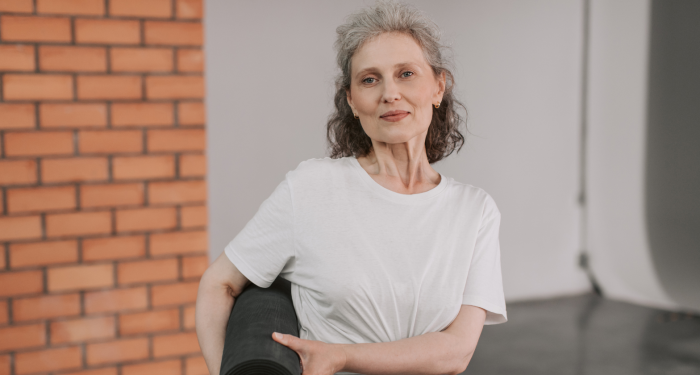
Despite meticulously calculating retirement savings and healthcare needs, these retirees discovered they'd forgotten to plan for the most crucial element: the profound identity crisis that comes when your job title, daily purpose, and professional self suddenly vanish.
The coffee shop was crowded that morning when Margaret leaned across the table and said, "You know what nobody tells you about retirement? You spend forty years becoming someone, and then suddenly you're supposed to be someone else entirely."
I'd been conducting informal interviews for months, curious about what the third year of retirement really looked like for people. Not the honeymoon phase of the first year, not the restless adjustment of the second, but that third year when the dust settles and reality sets in. Margaret was number twenty-three of thirty people I'd eventually talk to, and her words would echo through nearly every conversation that followed.
The pattern emerged slowly at first. Richard, a former CFO, told me he'd calculated his retirement savings down to the penny but never calculated what he'd do with all those empty hours. Susan, who'd run a successful dental practice, said she'd prepared for everything except the silence that would replace her bustling waiting room. Tom put it most bluntly: "I knew exactly how much money I'd have. I just didn't know who I'd be."
The identity crisis nobody warns you about
When I took early retirement at 64, my knees simply couldn't handle another day of standing in front of a classroom. Thirty-two years of pacing between desks, crouching beside students' chairs, writing on boards that seemed to grow higher each year. The physical necessity made the decision for me, but nothing prepared me for the psychological aftermath.
For decades, I was Mrs. Thompson who taught AP Literature, who knew every student's name by the second week of school, who stayed late to help kids understand why Gatsby reached for that green light. Then one day, I wasn't. The world kept spinning, September came without me ordering new red pens, and nobody needed me to explain metaphors anymore.
What struck me about my thirty interviewees was how universal this experience seemed, regardless of profession. The accountant who no longer had tax season to structure his year. The nurse who didn't know how to introduce herself at parties anymore. The executive who found himself checking emails for a company that had already forgotten his password.
We spend so much time planning the financial aspects of retirement, studying investment portfolios and healthcare options, that we forget to ask ourselves the fundamental question: When you strip away the job title, the daily routine, the sense of being needed in that specific way, who are you?
The unexpected grief of letting go
Several people I interviewed used the word "mourning," and it caught me off guard initially. But the more I listened, the more it made sense. You're mourning a version of yourself, the person who had somewhere important to be every morning, who possessed specific expertise that mattered, who belonged to a professional community that spoke your language.
One woman, a former hospital administrator, told me she found herself driving past her old workplace for months, not going in, just driving by like you might visit a childhood home that belongs to someone else now. Another man admitted to keeping his alarm set for 5:30 AM for a full year after retirement because without it, he felt untethered from reality itself.
This grief is complicated by guilt. How can you mourn something you chose to leave? How can you feel lost when this is supposed to be your reward for all those years of hard work? Society tells us retirement is the goal, the golden years, the time when life really begins. Nobody mentions it might also feel like a kind of death.
After my second husband died, I went through six months where I barely left the house. That was a different kind of grief, sharp and unwelcome. But the retirement grief was subtler, more like a slow erosion of self that you don't quite notice until you look in the mirror one day and wonder who that person is staring back.
Finding yourself in unexpected places
What fascinated me most about these conversations was how people eventually found their way through this identity wilderness, and rarely in ways they'd predicted. The former CEO who discovered he loved teaching woodworking to kids at the community center. The surgeon who became obsessed with growing heirloom tomatoes. The principal who started writing poetry at seventy-one.
Do you remember that scene in literature where the protagonist realizes they've been reading the map upside down the whole time? That's what the third year of retirement felt like for many of these folks. They'd been trying to recreate their old selves in retirement clothes when what they needed was to discover someone entirely new.
One man told me that retirement finally allowed him to admit he'd never actually liked golf; he'd just thought it was what successful people did. A woman confessed she'd bought an RV because that's what retirees were supposed to want, but she actually preferred staying home and learning to paint. The freedom to disappoint other people's expectations of retirement turned out to be its own kind of liberation.
For me, the unexpected discovery came through words. A friend suggested I write down some of my stories, just for fun. At 66, I discovered that all those years of teaching others to write had been preparing me for something I'd never imagined. The voice that emerged on the page wasn't Mrs. Thompson the English teacher. It was someone both familiar and surprising, someone who'd been waiting patiently for her turn to speak.
The importance of experimenting with identity
The people who seemed happiest in their third year of retirement were those who'd given themselves permission to try on different identities like clothes in a fitting room. Not everything fits, not everything flatters, but the trying itself becomes part of the journey.
One woman joined five different volunteer organizations in her first two years of retirement before finding the one that felt like home. Another took classes in everything from pottery to Python programming, not because she needed new skills but because she was curious who she might become in those spaces.
What strikes me now, looking back on those thirty conversations, is how much courage this experimentation requires. When you've been one thing for so long, trying to be something else feels like betrayal. But maybe that's exactly the point. Maybe retirement isn't about finding a replacement identity but about finally having the freedom to be multiple things at once, or nothing at all, or something different on Thursdays than you are on Mondays.
Final thoughts
Those thirty people taught me that retirement planning isn't complete when you've figured out your finances and your healthcare. The real work begins with asking yourself who you want to be when the professional costume comes off, when the curtain falls on that particular performance of self.
Margaret, from that crowded coffee shop, called me six months after our conversation. She'd started taking flying lessons at 68. "I figured if I'm going to be someone new," she said, "I might as well be someone who can touch clouds." Her laugh over the phone was different than I remembered, lighter somehow, like someone who'd finally exhaled after holding their breath for forty years.