Before smoothie bowls and protein bars, breakfast was sugary cereals, buttery toast, and big glasses of orange juice. These classic morning staples fueled an entire generation, even if today’s kids might call them “unhealthy.”
Every generation thinks they’ve figured out breakfast.
For boomers, it was about convenience, comfort, and a kind of post-war optimism that showed up in the grocery aisle—bright boxes, cartoon mascots, and promises of “vitamins and minerals” that mostly meant sugar and food dye.
Today’s kids? They’ve got green smoothies, oat milk lattes, and overnight oats in glass jars that look like Pinterest mood boards.
But here’s the thing: while boomers were spooning up neon-colored cereal or frying Spam, they weren’t thinking about macros or cholesterol. They were just living.
Let’s rewind a few decades and look at nine breakfast staples boomers grew up on—foods that would probably make a Gen Z nutritionist clutch their Stanley cup in disbelief.
1) Sugary cereals that doubled as dessert
If you grew up before 1990, chances are your mornings started with a cartoon character yelling at you from the box.
Frosted Flakes, Cocoa Puffs, Cap’n Crunch, Lucky Charms—these weren’t just cereals, they were cultural icons.
You didn’t eat them because you were hungry; you ate them because Tony the Tiger said you were “grrreat.”
The sugar content? Let’s just say some of those boxes were 40% sugar by weight. Today, most parents would call that dessert, not breakfast.
Still, there was something pure about sitting cross-legged on the carpet, cereal bowl in hand, watching Saturday morning cartoons. The ritual mattered as much as the meal.
2) White toast drowning in butter and jam
Before avocado toast was a thing, breakfast toast was simple: white bread, butter, and jam. Maybe peanut butter if you were feeling adventurous.
No one cared that white bread was stripped of fiber or that margarine was full of trans fats. It was just warm, comforting, and fast.
As a vegan, I now spread almond butter on whole-grain toast, maybe with a drizzle of agave, but even I get nostalgic thinking about the smell of buttered toast wafting through a half-awake kitchen.
Boomers weren’t wrong for loving it—they just didn’t have Instagram nutritionists judging them.
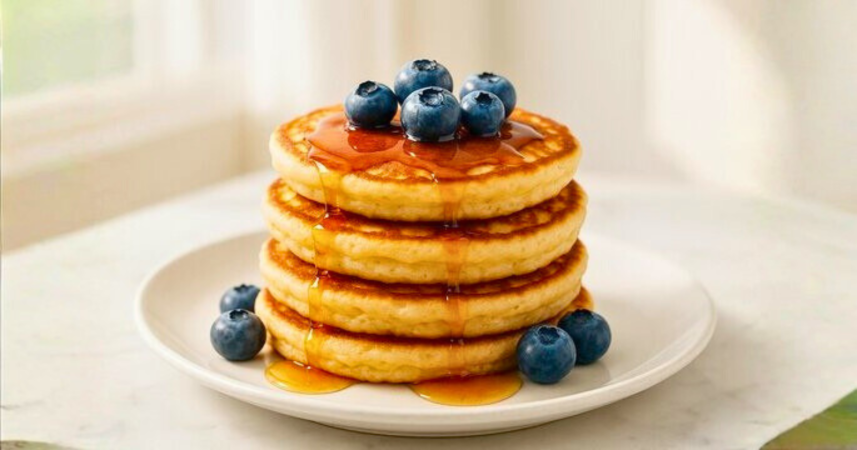
3) Pancakes stacked high with butter and syrup
Pancakes were the weekend showstopper.
Flour, milk, eggs, sugar, and a generous pour of maple-flavored syrup (not actual maple syrup, mind you—more like corn syrup in disguise). The butter melted into the ridges like gold.
If you grew up in a boomer household, you probably remember that syrup bottle shaped like a woman (Aunt Jemima). The branding hasn’t aged well, but the ritual of the pancake breakfast? That’s timeless.
Today’s version might be oat flour pancakes topped with coconut yogurt and berries, but the feeling—of slowing down, gathering, indulging—remains the same.
4) Instant oatmeal packed with sugar
Oatmeal was supposed to be the “healthy” option.
Except, by the time the food industry got through with it, it was basically dessert in a packet. Maple and brown sugar flavor, strawberries and cream flavor… all packed with more sugar than actual oats.
My mom used to make the Quaker instant packets with boiling water and a splash of milk. It was fast, easy, and warm. Perfect for a rushed school morning.
Now, I make my own oatmeal with steel-cut oats, almond milk, cinnamon, and chia seeds—but I get why those packets were a thing. They were convenience disguised as wholesomeness.
5) Processed meats: bacon, sausage, and Spam
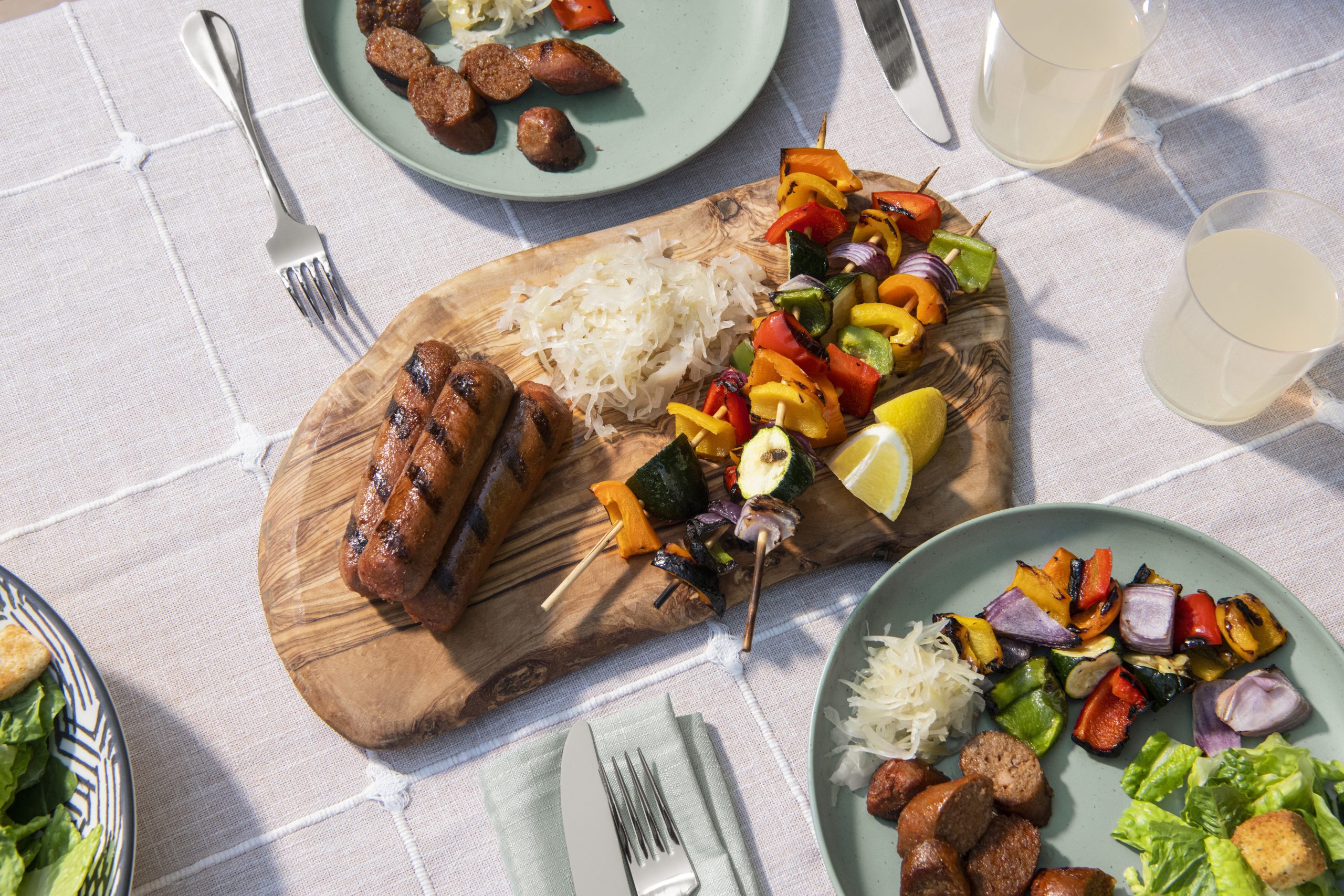
If the smell of sizzling bacon didn’t wake you up in the ’70s, were you even alive?
Bacon was king. Sausage was its sidekick. Spam was the underdog that somehow always showed up. These meats were the backbone of the traditional American breakfast.
The problem? Saturated fat, sodium, nitrates—you name it.
Nowadays, people (myself included) reach for tempeh bacon or tofu scramble instead. But for boomers, that hearty breakfast represented strength, productivity, and a full day ahead.
It wasn’t about longevity. It was about energy. And it worked—for a while.
6) Canned fruit cocktail swimming in syrup
Before the fresh fruit bowl became a breakfast staple, there was the canned fruit cocktail.
Cherries, pears, grapes, and peaches—all suspended in syrup so sweet it could glue your teeth together.
It was cheap, shelf-stable, and considered a “balanced” addition to breakfast. The logic was simple: fruit is good for you. End of discussion.
Of course, no one thought about the sugar syrup or the lack of fiber. But it was colorful, cheerful, and easy to serve to a table full of kids before school.
Today, we’ve replaced that with smoothie bowls topped with fresh mango and chia seeds—but the instinct to brighten breakfast with fruit hasn’t gone away. It just got more photogenic.
7) Coffee loaded with cream and sugar
Coffee has always been sacred. But boomers didn’t sip it black and artisanal; they sweetened it like a milkshake.
Two spoons of sugar, maybe three. A generous pour of heavy cream or, worse, non-dairy creamer made from corn syrup solids and oil.
And honestly? It was delicious.
The modern wellness crowd might sip oat milk cortados or mushroom coffee blends, but that old-school diner cup had a kind of honesty to it. It wasn’t trying to be healthy—it was just trying to keep you awake.
I still remember my dad’s thermos on the kitchen counter, the smell of that overly sweet coffee filling the room before sunrise. It meant work was starting, life was moving.
8) Pop-Tarts and toaster pastries
Pop-Tarts were revolutionary—sweet, colorful, and ready in under a minute.
They came in flavors like strawberry, brown sugar cinnamon, and wild berry. The frosting, the gooey filling, the crunch—it was pure joy for a ten-year-old.
Of course, nutritionally, they were a nightmare. Refined flour, corn syrup, artificial coloring… basically candy in rectangular form.
But kids didn’t care. It was the thrill of independence: you could make your own breakfast, no stove required.
I’ve mentioned this before, but there’s something psychologically powerful about autonomy in childhood—even if it came wrapped in foil.
Now, you can find vegan toaster pastries made with organic ingredients and less sugar. But the nostalgia? Still the same.
9) The full fry-up breakfast
Eggs, bacon, hash browns, toast, maybe baked beans and a slice of tomato if you were fancy.
It was hearty, greasy, and guaranteed to keep you full until lunch—or maybe until you crashed from all the fat and salt.
In the post-war years, this kind of meal was a symbol of abundance. Food wasn’t scarce anymore. You could eat until you were satisfied.
From a modern lens, it’s easy to see the nutritional red flags. But psychologically, that breakfast represented something bigger: stability.
After decades of rationing and uncertainty, a plate loaded with fried food felt like progress.
These days, my version might be a tofu scramble with roasted potatoes and avocado, but I get the emotional logic of the original. It wasn’t just breakfast—it was reassurance on a plate.
The bottom line
Looking back, it’s easy to laugh at what we used to call “healthy.”
But those meals weren’t about macros or wellness—they were about family, routine, and comfort. They reflected the times: fast, hopeful, and full of marketing promises.
Kids today might reject the sugar and processed food, but the truth is, the emotional core of breakfast hasn’t changed. It’s still about connection, energy, and that brief, grounding moment before the day begins.
Maybe the real “unhealthy” part isn’t the food itself—it’s forgetting to slow down long enough to enjoy it.
If You Were a Healing Herb, Which Would You Be?
Each herb holds a unique kind of magic — soothing, awakening, grounding, or clarifying.
This 9-question quiz reveals the healing plant that mirrors your energy right now and what it says about your natural rhythm.
✨ Instant results. Deeply insightful.