A single bite at a backyard barbecue challenged everything my dad thought he knew about food—and what happened next surprised us both.
There’s something about the word vegan that makes my dad squint like I just offered him tofu dipped in motor oil.
This is a man who thinks “plant-based” is code for “missing the point.” Who claims his arteries are fine because he balances his cheeseburgers with a daily multivitamin. And who once told me that almond milk was “an insult to cows.”
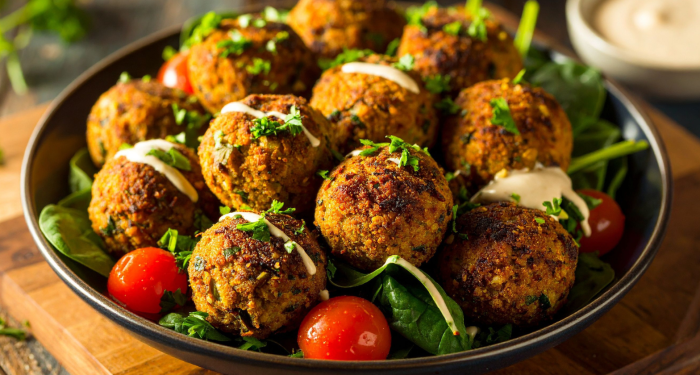
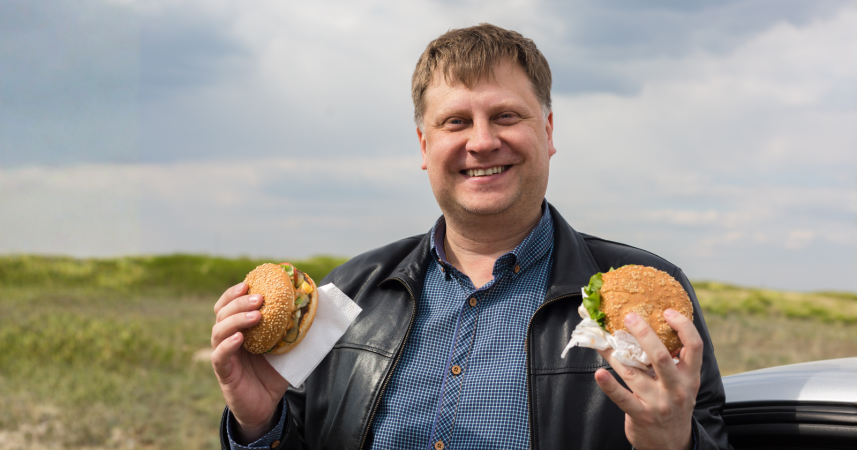
So when I invited him over for a backyard barbecue and handed him a juicy, flame-grilled burger stacked high with lettuce, tomato, and caramelized onions—he was in heaven. Until I told him it was vegan.
Let’s just say… there was a long pause before the chewing resumed.
And yet, by the time he licked the last smear of sauce off his fingers, he looked genuinely confused—and maybe even impressed.
That single bite cracked open something I didn’t expect: a conversation about habits, assumptions, and how we define “real food.”
The emotional power of nostalgia
My dad grew up in a world where meat was a symbol of success.
Sunday roasts were sacred. Backyard grilling was practically a religion. Burgers weren’t just food—they were cultural shorthand for comfort, tradition, and masculinity.
So when I say “vegan burger,” his mind doesn’t register food. It registers threat.
It’s not just that it’s unfamiliar—it feels like I’m rewriting something personal. Like I’m poking at memories he’s been marinating in for decades.
And that’s where we often get it wrong. We throw facts at people—health stats, environmental impact, animal welfare—but we ignore the emotional landscape.
As noted by psychologist Melanie Joy, “Eating is an emotional experience, not just a rational one. When you challenge someone’s food choices, you’re also challenging their identity.”
That was never my goal. I wasn’t trying to change my dad—I just wanted him to taste something new without the mental filter on. So I didn’t tell him what it was until the last bite.
Sometimes, curiosity needs to be tasted before it can be trusted.
Food is a mirror, not a battleground
I used to get defensive when people mocked my plant-based meals.
I’d snap back with research studies, throw in terms like “cholesterol-lowering” and “carbon footprint,” and try to win debates no one asked for.
But over time, I realized something: most food fights aren’t about food at all.
They’re about control, belonging, and fear of change.
Telling my dad to stop eating burgers? That’s not going to go over well. But sharing one without a label? That’s a different story.
The moment he tasted it without knowing, his brain wasn’t scanning for faults—it was just experiencing flavor. Juicy, smoky, savory flavor.
It wasn’t until after he found out it was vegan that his defenses kicked in. And by then, it was too late. His taste buds had already voted.
It made me think: how often do we block experiences because we pre-decide they’re not for us?
Sneaking past the gatekeepers of change
Most of us have inner gatekeepers.
They protect us from things that feel too new, too radical, too not us. These gatekeepers whisper, “That’s for other people.” Or worse, “That’s not real.”
My dad’s gatekeeper is a firm believer in “if it ain’t broke, don’t fix it.” But what if something is a little broken—we’re just used to the cracks?
When I gave him that burger, I didn’t lead with a lecture or a label. I led with flavor.
That’s what got through.
Sometimes, the most powerful way to create openness isn’t through argument. It’s through experience.
You can’t shame someone into curiosity. But you can invite them into a moment that makes them question their assumptions—without making them feel wrong.
Expectations shape reality
Here’s the kicker: had I told my dad it was vegan before he took a bite, I know exactly what would’ve happened.
He’d take one cautious nibble, pause dramatically, and say something like, “It’s fine, I guess... but you can tell.”
Because his expectation would’ve told him it wasn’t going to be satisfying. And expectations are powerful.
This is backed by experts like Dr. Alia Crum at Stanford, who’s studied how our mindset can alter our physical experience. In one study, participants who believed they were drinking a high-calorie milkshake had a bigger drop in the hunger hormone ghrelin—even when they were actually drinking a low-calorie version.
Translation? What you think you’re eating affects how full and satisfied you feel.
My dad thought he was eating a regular burger. So his body and brain responded accordingly.
It wasn’t about deception. It was about stripping away the bias just long enough for the truth to land on its own.
It’s not about converting, it’s about expanding
After the big vegan burger reveal, I didn’t try to convince my dad to give up meat.
I just said, “Surprised you, didn’t it?”
And he grunted in that way dads do when they’re processing something but don’t want to give you too much credit.
A week later, he texted me a photo of some plant-based sausages he saw at the grocery store. No comment. Just the photo.
Progress isn’t always loud.
Sometimes, the smallest crack in a belief system is enough to let a new idea grow roots.
It’s not about getting people to flip their entire worldview overnight. It’s about showing that alternatives exist—and that they’re not only “not terrible,” but maybe even… delicious.
This mirrors the "foot-in-the-door" persuasion effect: starting with a small, non-threatening interaction increases the likelihood of openness to broader change later on. In psychology, making a minor adjustment—or prompting curiosity—can lead to greater receptivity down the line
Let people surprise you
I used to think my dad would never budge. That he was too set in his ways. Too proud. Too skeptical.
But that burger moment reminded me: people are more flexible than we give them credit for—especially when they don’t feel judged.
Change doesn’t always look like a 180-degree turn. Sometimes it’s a pause. A question. A raised eyebrow.
Sometimes it’s an empty plate and a slightly embarrassed smile.
We’re all walking around with outdated stories about ourselves and others. “I don’t eat vegan food.” “My dad would never try that.” “People like her don’t change their minds.”
But what if those stories aren’t as solid as we think?
Final thoughts
My dad didn’t become a vegan that day.
But he did enjoy a vegan burger. And more importantly, he let himself enjoy it.
That might not sound revolutionary—but for a man who thinks oat milk is a conspiracy, it’s a big deal.
Sometimes the most meaningful shifts don’t come from arguments or declarations. They come from a shared meal. A softened edge. A moment when no one’s trying to prove anything.
Just taste. Just curiosity. Just a bite.
And that, I’ve found, is often where real change begins.
If You Were a Healing Herb, Which Would You Be?
Each herb holds a unique kind of magic — soothing, awakening, grounding, or clarifying.
This 9-question quiz reveals the healing plant that mirrors your energy right now and what it says about your natural rhythm.
✨ Instant results. Deeply insightful.