That green bean casserole at the potluck sat untouched while everyone reached for fresh vegetables, and honestly, it told me everything about how we eat now.
I found myself at a family potluck last month, watching my partner's mom proudly set down a green bean casserole. You know the one. Cream of mushroom soup from a can, canned green beans, those crispy fried onions on top.
The younger crowd politely passed the dish around without taking any, reaching instead for the roasted Brussels sprouts someone's Gen Z cousin brought.
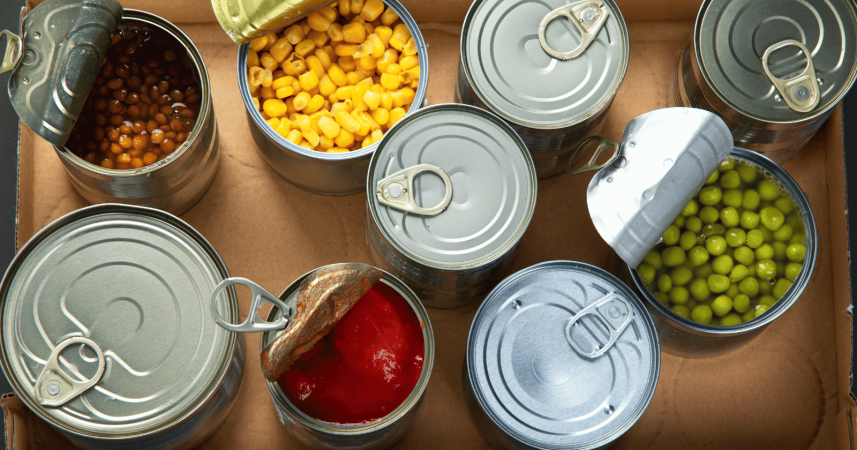
That moment crystallized something I've been noticing for years. There's this massive divide between generations when it comes to canned vegetables and beans. My grandmother's pantry looks like a bunker stocked for Y2K, rows and rows of canned goods with expiration dates from 2019. My friends? Half of them don't even own a can opener.
I'm not here to shame anyone's food choices. Growing up, canned goods represented convenience, affordability, and food security. For people who lived through rationing or economic uncertainty, having a stocked pantry meant peace of mind. But somewhere between then and now, fresh became the new standard, and those cans got pushed to the back of the cupboard.
Let's look at what's gathering dust in Boomer pantries that most people under 40 wouldn't touch unless it was genuinely a last resort.
1) Canned green beans
Walk into any grocery store and you'll see them: those blue and white cans of cut green beans, sitting there like they've been waiting since 1987. Boomers reach for them without thinking. They were a dinner staple, easy to heat up, no chopping required.
But here's what younger generations see: mushy, gray-green vegetables that taste like the can they came in. Fresh green beans have snap. They're bright, they're crisp, they actually taste like vegetables. Canned versions are cooked to death before they even reach your kitchen.
The texture alone is enough to make most people under 40 recoil. That soft, almost slimy quality doesn't remind anyone of actual food. It reminds them of hospital meals and school cafeterias.
2) Canned corn
Creamed corn, whole kernel corn, corn with peppers. The canned corn section is surprisingly vast for something most young people actively avoid. My grandmother used to dump a can of corn into literally everything. Casseroles, soups, even as a side dish on its own.
The problem isn't corn itself. Corn is great. Roasted, grilled, fresh off the cob, it's summer in vegetable form. But canned corn has this weird sweetness, an almost metallic aftertaste, and a texture that ranges from mushy to unnervingly uniform.
Younger folks would rather spend three minutes shucking fresh corn than open a can. And honestly, I get it. Once you've had corn that actually tastes like corn, it's hard to go back to the canned version.
3) Canned peas
I've mentioned this before but I genuinely believed I hated peas until I was in my twenties. Turns out, I just hated canned peas. Those sad little green spheres that turn to paste in your mouth the second you bite down.
Fresh or frozen peas are sweet, they have texture, they're actually enjoyable. Canned peas taste like regret and overlooked vegetables. They're the food equivalent of giving up.
Boomers see them as convenient. Everyone else sees them as what you eat when you've truly run out of options. Like, the zombie apocalypse has happened, the fresh produce is long gone, and you're down to the back of the pantry. That's when you crack open the canned peas.
4) Canned spinach
Remember Popeye? That weird, dark green sludge he'd squeeze out of a can before his muscles inflated? That's what canned spinach actually looks like. It's disturbing.
Fresh spinach wilts down beautifully when you cook it. It tastes earthy and mild. Canned spinach looks like something dredged from a swamp and tastes aggressively salty with an odd metallic finish.
My partner once tried to sneak canned spinach into a pasta dish thinking I wouldn't notice. I noticed. The whole texture was wrong, the color was wrong, and no amount of garlic could mask that distinctive canned vegetable flavor. We don't talk about that night.
5) Canned asparagus
This one might be the most baffling. Asparagus is already divisive enough without turning it into a mushy, discolored mess. Fresh asparagus has this beautiful snap when you bite into it, especially when it's roasted or grilled with a little olive oil and salt.
Canned asparagus, though? It's like someone took all the worst qualities of asparagus and amplified them while removing everything good. It's limp, it's gray, and the texture is somewhere between baby food and something you'd find in a hospital.
Most younger people I know would genuinely rather skip vegetables entirely than eat canned asparagus. And considering how much we all pretend to love vegetables on social media, that's saying something.
6) Canned beets
Beets have had this renaissance lately. Roasted beets in salads, beet hummus, even beet juice as a trendy health drink. But canned beets? Those are still stuck in the past.
They come swimming in this weird liquid that stains everything it touches, and they taste more like the can than like beets. The texture is simultaneously mushy and oddly firm, which shouldn't even be possible.
Fresh beets take time to roast, sure, but the payoff is enormous. They're sweet, earthy, and actually taste like food. Canned beets taste like you're eating something preserved for a fallout shelter.
7) Canned kidney beans
Okay, I'll give Boomers this one: canned beans are genuinely convenient. Dried beans require planning, soaking, hours of cooking. Canned beans are ready to go. But that doesn't mean they're anyone's first choice.
The texture is always slightly off, kind of mealy and soft in a way that home-cooked beans never are. And that liquid they come in? That starchy, slightly slimy bean juice that everyone immediately rinses down the drain? Yeah, that's not inspiring confidence.
Younger generations will use canned beans in a pinch, but they'll also apologize for it. They're what you grab when you forgot to soak dried beans overnight, not what you build a meal around.
8) Canned mixed vegetables
This is where Boomers really lost the plot. Someone decided to take corn, peas, carrots, and green beans, cook them all to mush, dump them in a can, and call it a vegetable medley. My mom used to heat these up as a side dish like she'd accomplished something.
The problem is threefold: everything tastes the same, everything has the same mushy texture, and nothing tastes good. It's vegetables in the most technical sense, but it's like eating the memory of vegetables rather than actual vegetables.
No one under 40 is reaching for canned mixed vegetables unless they're making a very depressing pot pie. And even then, they're probably using frozen.
9) Cream of mushroom soup
This isn't a vegetable, but it needs to be here because Boomers use this stuff like it's a food group. Green bean casserole? Cream of mushroom. Tuna noodle casserole? Cream of mushroom. Random Tuesday night dinner? Just add cream of mushroom to literally anything.
The thing is, it doesn't taste like mushrooms. It tastes like salt and cornstarch and something vaguely fungal. It's beige, it's gloopy, and it turns everything it touches into the same texture.
Younger generations would rather make an actual cream sauce or, wild idea, just skip the casserole entirely. We've moved on to Buddha bowls and grain salads and meals that don't require opening five cans.
The bottom line
Look, I'm not trying to start a generational war over vegetables. Canned goods served their purpose. They fed families on tight budgets, they provided nutrition when fresh produce wasn't available year-round, and they represented progress in food preservation.
But we're living in different times now. Fresh and frozen vegetables are accessible for most people, they taste better, and they don't come with that metallic aftertaste that every canned vegetable seems to have.
The real divide isn't about the food itself. It's about what convenience means to different generations. For Boomers, convenience meant shelf-stable products that could sit in the pantry for years. For younger people, convenience means grabbing pre-washed spinach or microwaveable steam-in-bag vegetables that still taste fresh.
Neither approach is wrong, but one definitely involves a lot less mushy green beans. And honestly, that's reason enough for me.
Just launched: Laughing in the Face of Chaos by Rudá Iandê
Exhausted from trying to hold it all together?
You show up. You smile. You say the right things. But under the surface, something’s tightening. Maybe you don’t want to “stay positive” anymore. Maybe you’re done pretending everything’s fine.
This book is your permission slip to stop performing. To understand chaos at its root and all of your emotional layers.
In Laughing in the Face of Chaos, Brazilian shaman Rudá Iandê brings over 30 years of deep, one-on-one work helping people untangle from the roles they’ve been stuck in—so they can return to something real. He exposes the quiet pressure to be good, be successful, be spiritual—and shows how freedom often lives on the other side of that pressure.
This isn’t a book about becoming your best self. It’s about becoming your real self.