Department
Food & Drink
 Eat Better
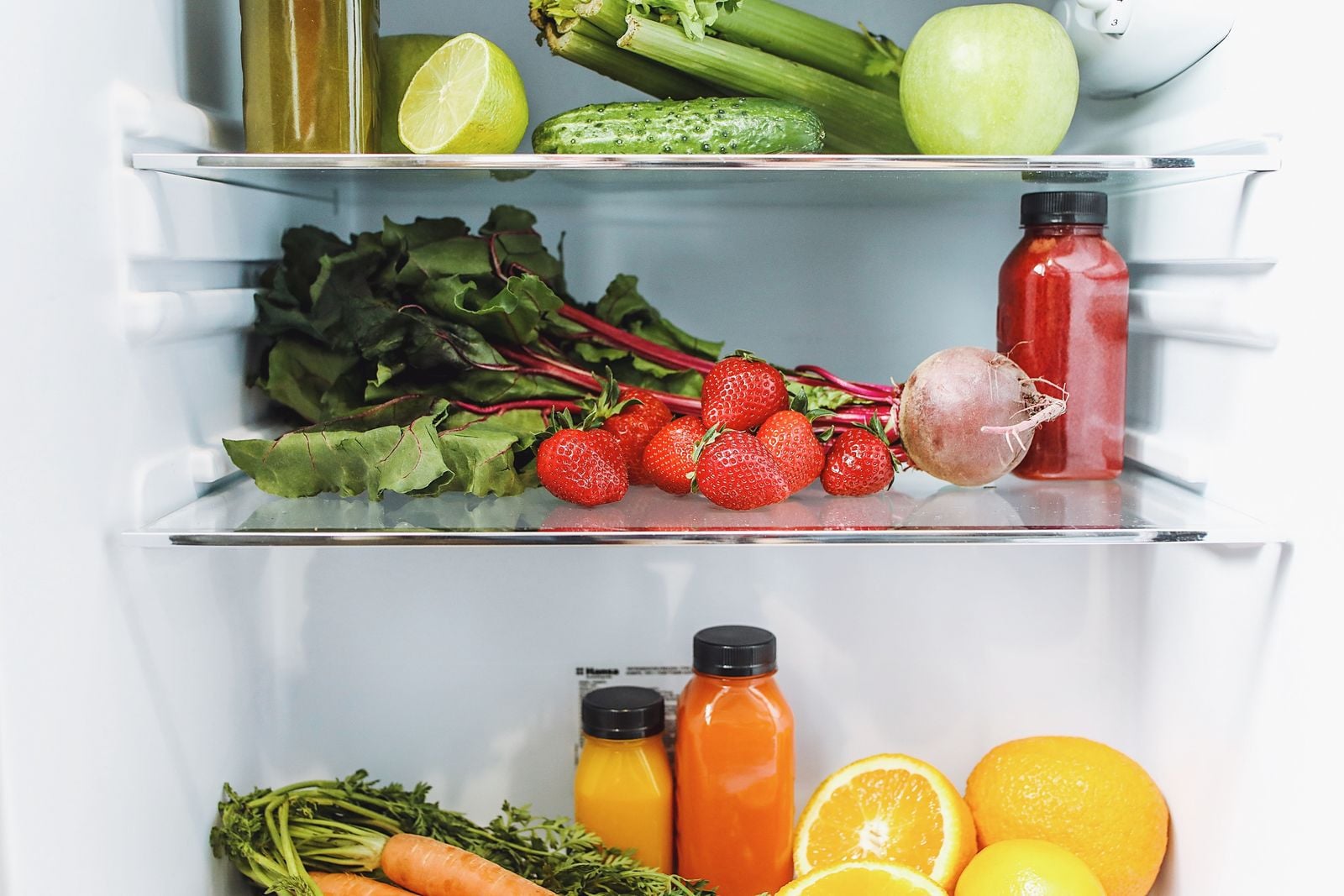
Adults who keep a tidy fridge with labeled leftovers, washed greens, and a bowl of fruit at eye level aren't being aspirational, they learned that the version of themselves at six p.m. on a Tuesday will eat whatever requires the least decision
A tidy fridge isn't about aesthetics—it's a practical strategy your exhausted future self will thank you for when deciding what to eat…

There's a version of midlife where you finally understand that the people who eat slowly, walk slowly, and answer slowly aren't being precious, they figured out that speed was the thing that was actually exhausting them
Most people mistake slowness for decline, but midlife reveals a different truth: the people who eat, walk, and respond slowly aren't winding…
 Eat Better
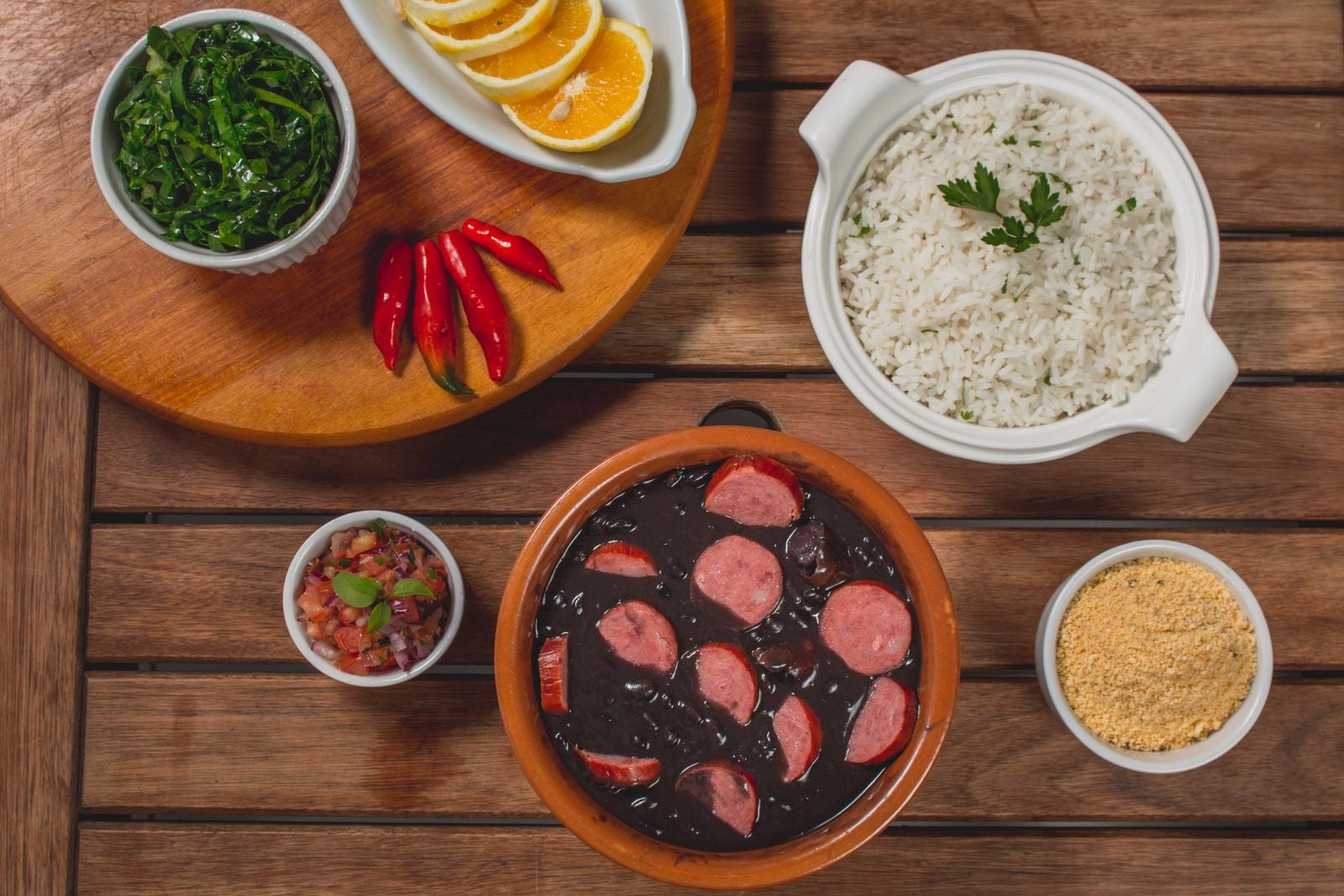
Nobody talks about why people who grew up poor often keep cooking modest meals long after they can afford anything, and it isn't habit or thrift, it's that elaborate food started to feel like a performance they never agreed to give
When people who grew up poor continue cooking simple meals as adults, it's often misread as habit or thrift. But it's actually…

A vegan runner tripled his fiber intake to 65 grams for 30 days — the real takeaway isn't the number he hit, it's how badly the American baseline is failing everyone
Vegan creator Mark Thompson tripled his daily fiber intake to 60–65 grams for 30 days. The results — and the rough first…
 Eat Better
People who eat the same simple breakfast every morning for decades may not be boring — they may have learned that decision fatigue starts before the day does and protected themselves accordingly
Every decision you make depletes your mental energy, even tiny ones like what to eat. People who eat the same breakfast for…
 Eat Better
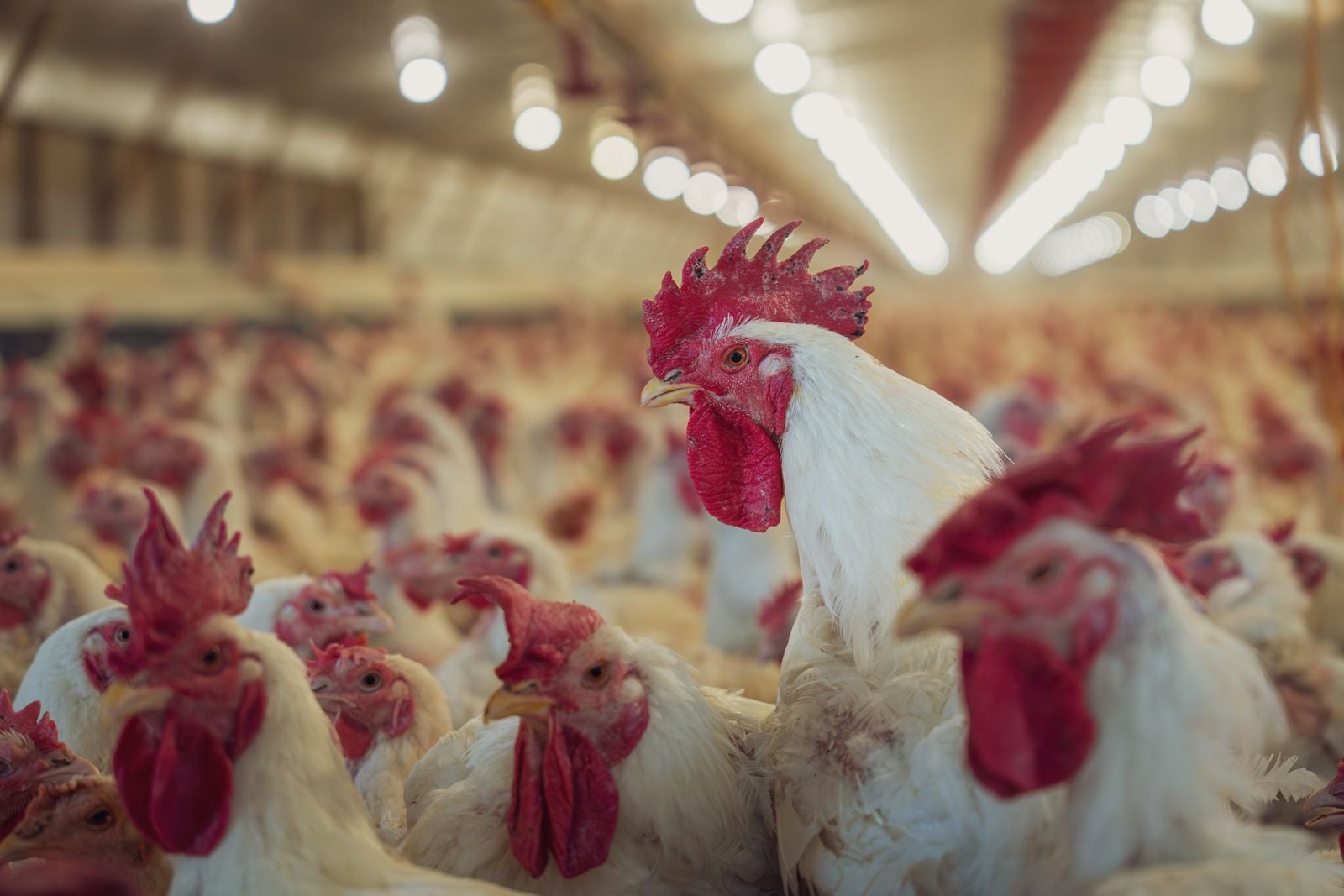
A car-sized mechanical chicken outside 15 London Prets isn't just about one welfare pledge — it's about how voluntary food promises can become moving-target deadlines
Animal welfare group Anima placed a car-sized mechanical chicken outside 15 London Pret stores this week, launching a £1 million campaign over…
 Eat Better
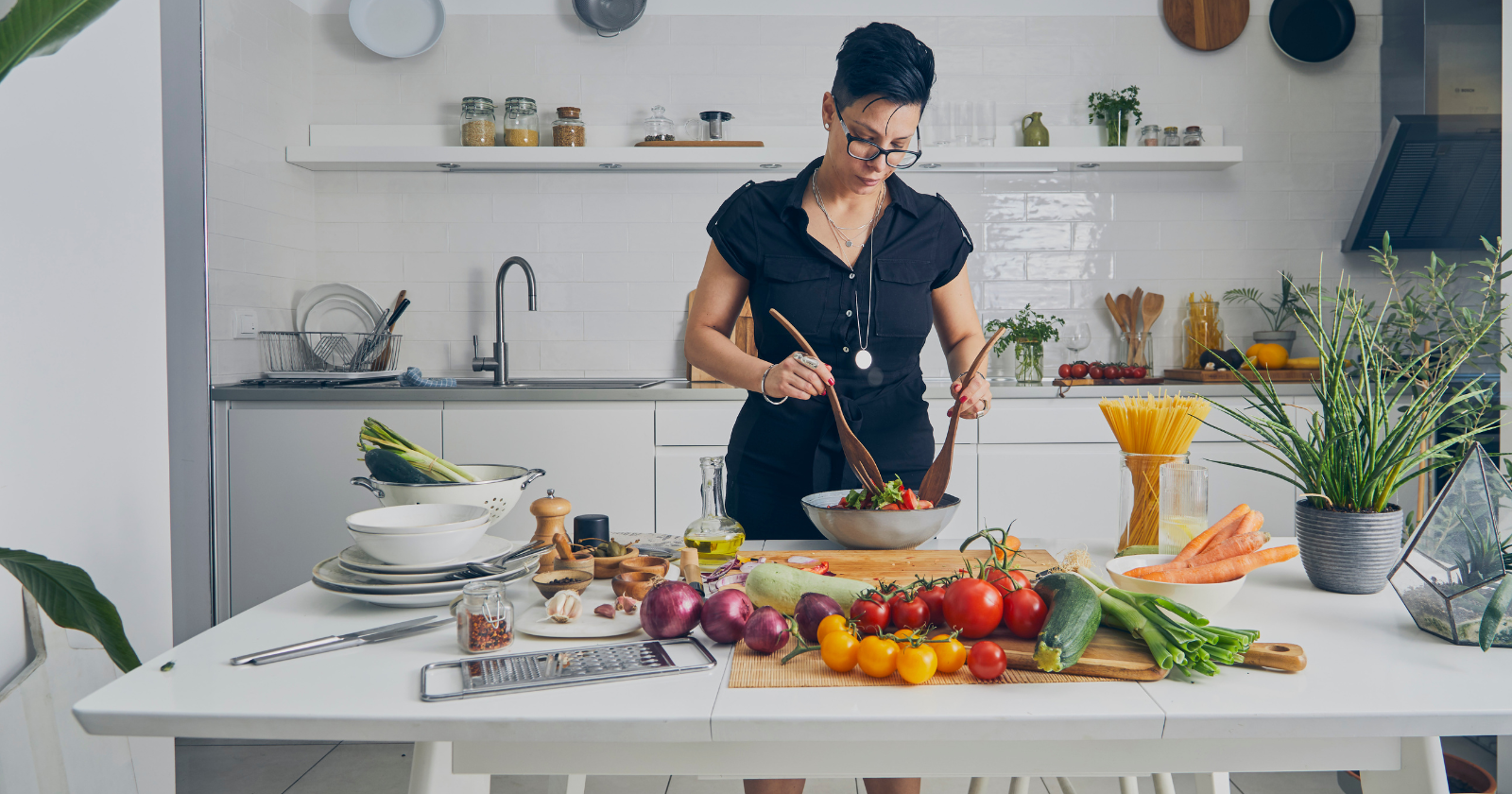
10 small kitchen habits people quietly adopt in their fifties, from prepping vegetables the night before to keeping one pan they refuse to share to eating standing at the counter when nobody's home
After fifty, the kitchen becomes a space of quiet efficiency—where certain rituals emerge not from decline or wellness trends, but from decades…
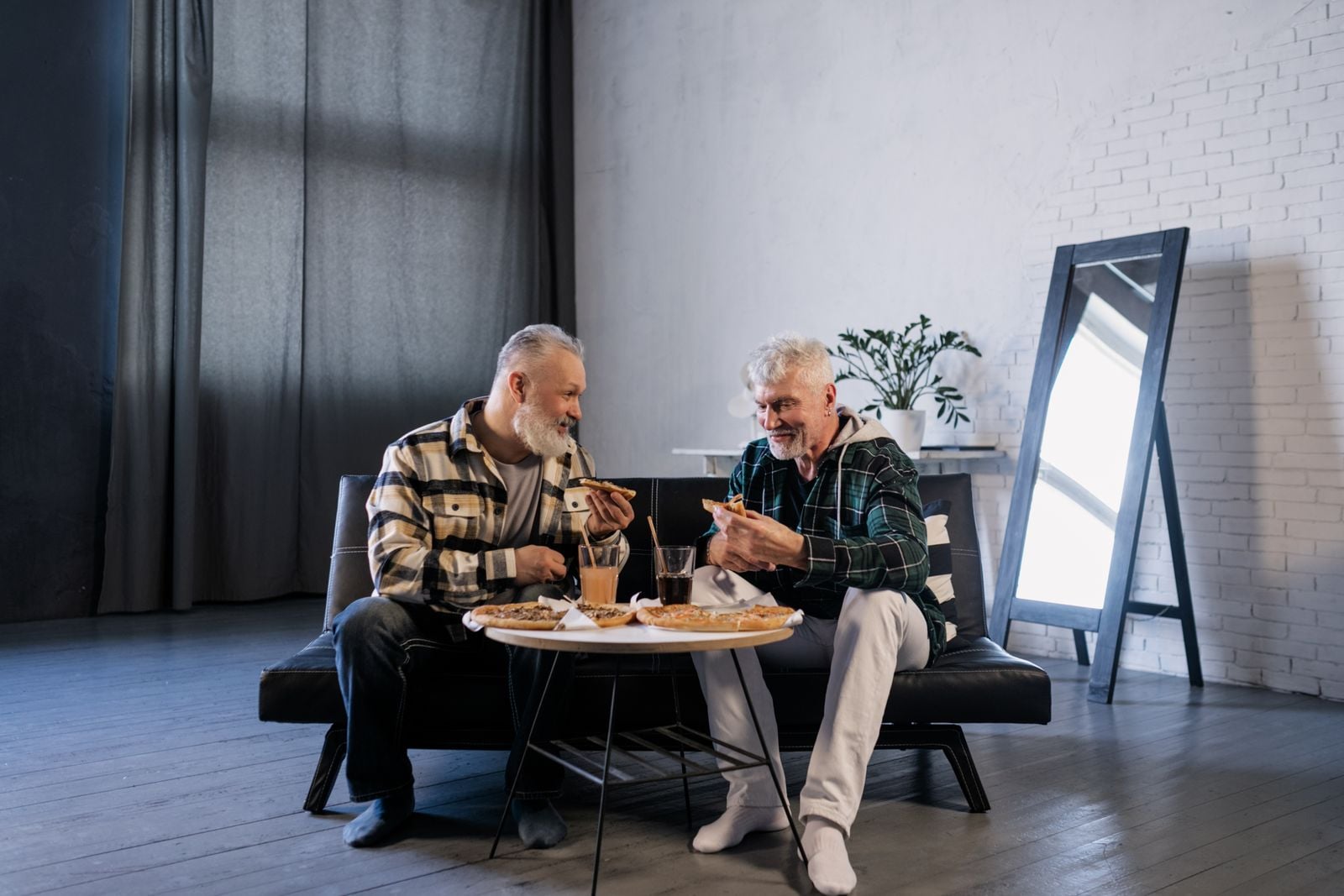
Adults who grew up before snacking was a category often arrive at their sixties with a relationship to hunger that doesn't require an app, a schedule, or a moral framework to feel like a normal part of being alive
Hunger isn't a test of willpower—it's a biological conversation you can't fully control. Yet modern culture has turned eating into a moral…
 Eat Better
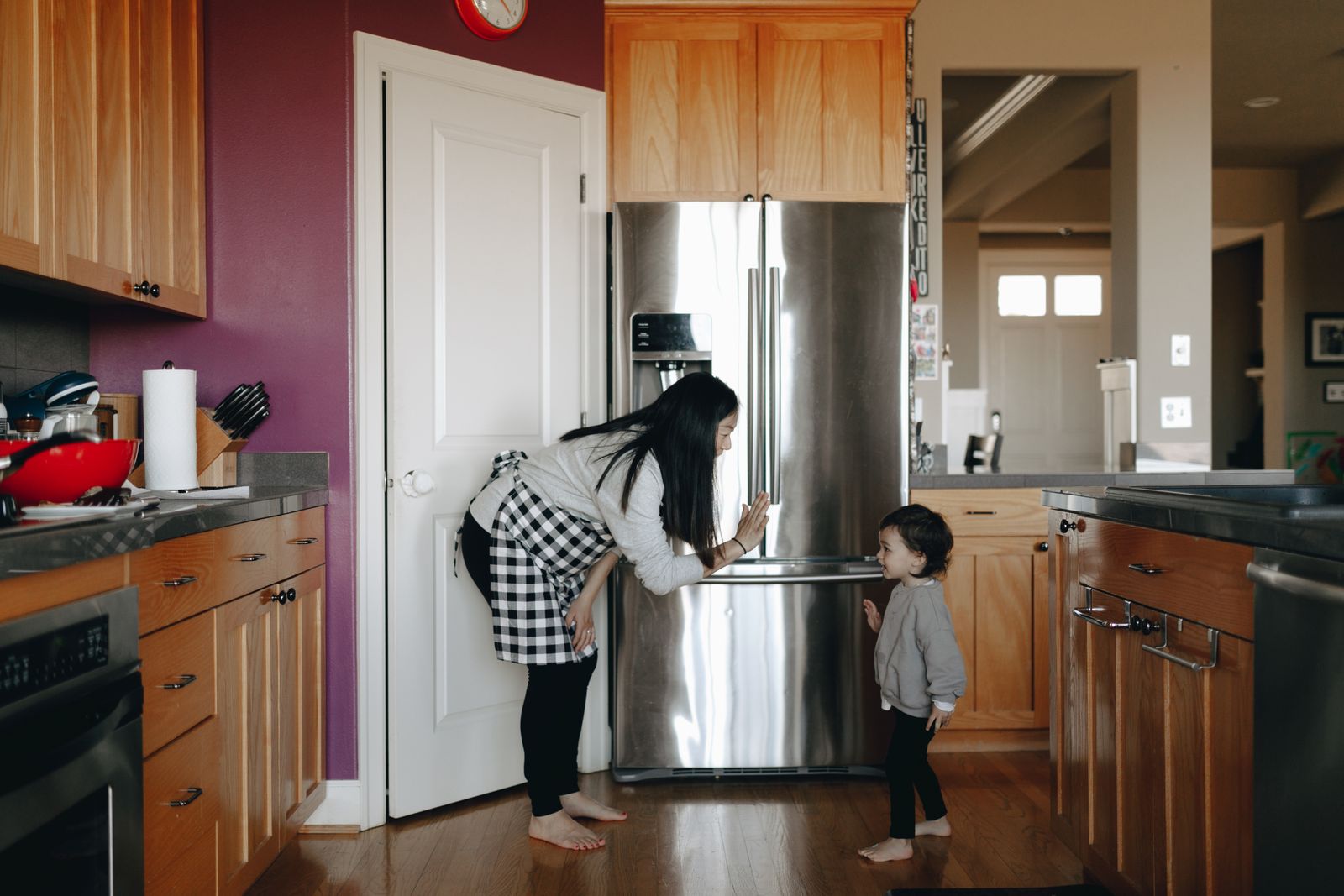
The hardest part of changing how you eat in your sixties isn't the food itself, it's discovering how many of your relationships were built around restaurants, recipes, and rituals that quietly assumed you'd never change
Changing your diet in your sixties means renegotiating decades of friendships, traditions, and unspoken agreements about what eating together means. The food…
 Eat Better
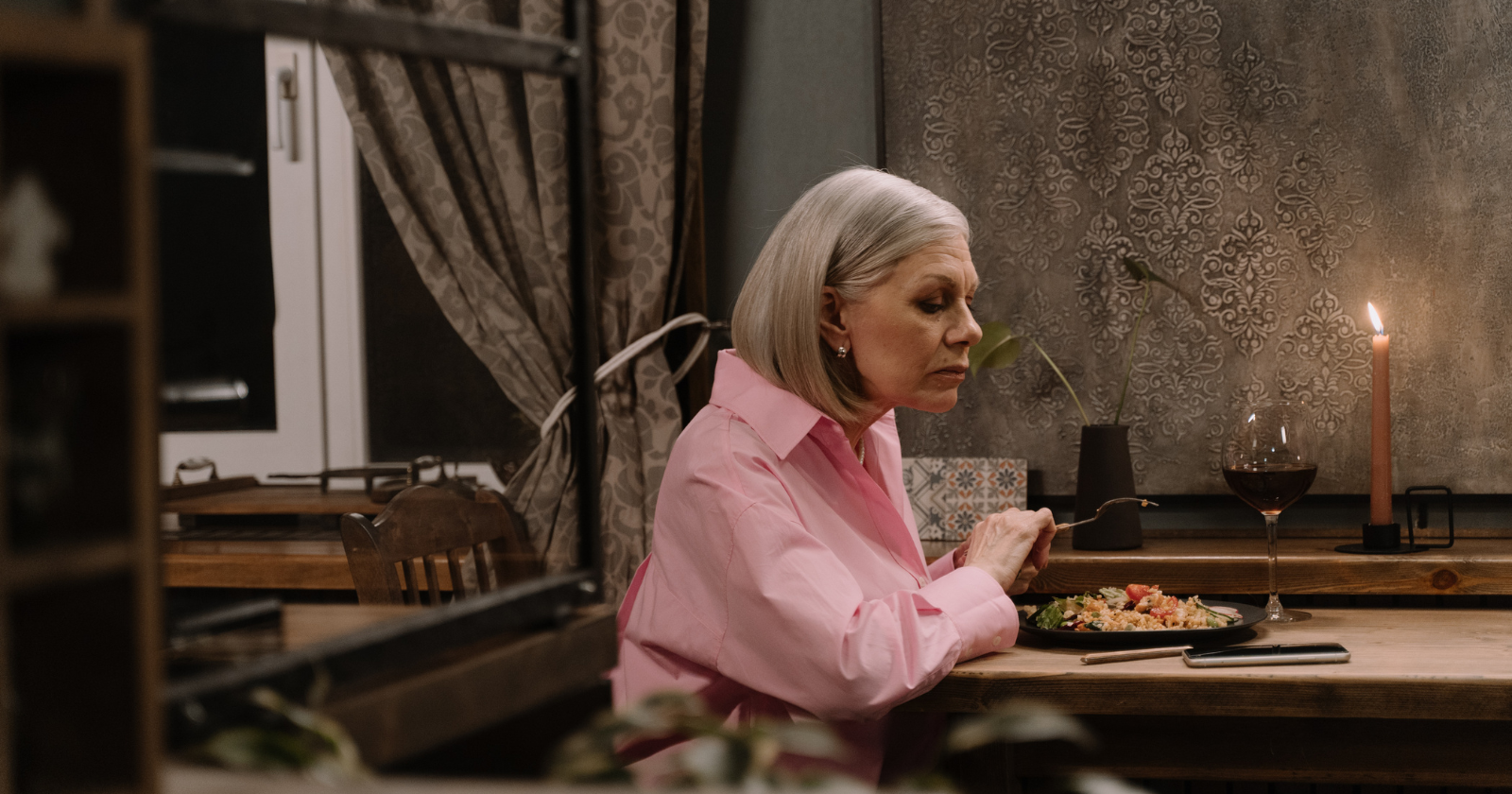
Adults who grew up in the 1970s eating whatever was in the fridge, drinking from the garden hose, and skipping breakfast without anyone panicking often develop a relationship to food in later life that doesn't require an app, a label, or a moral position to feel normal
The wellness industry's explosion wasn't solving a problem—it was creating one. A generation raised without dietary surveillance developed an intuitive relationship with…
 Think Deeper
There's a specific kind of tiredness that belongs to people who spent twenty years feeding everyone else's preferences and forgot somewhere along the way what they actually liked to eat
The exhaustion of disappearing into everyone else's dietary needs leaves a particular kind of emptiness—one where you know everyone's preferences but can't…

Children who grew up being told to finish everything on their plate often become adults who can't tell the difference between hunger and habit until somewhere in their fifties their body finally insists they learn
Decades of "finish your plate" conditioning can disconnect adults from their own hunger signals, leaving them trapped in eating patterns they never…
 Live Lighter
Adults who grew up in households where food was scarce often become parents who overfeed, hosts who over-cater, and friends who arrive with more than was asked for, and the reflex never fully leaves them even when the pantry is full
Childhood food insecurity leaves invisible marks that persist long after the pantry is full, reshaping how adults show love through abundance and…
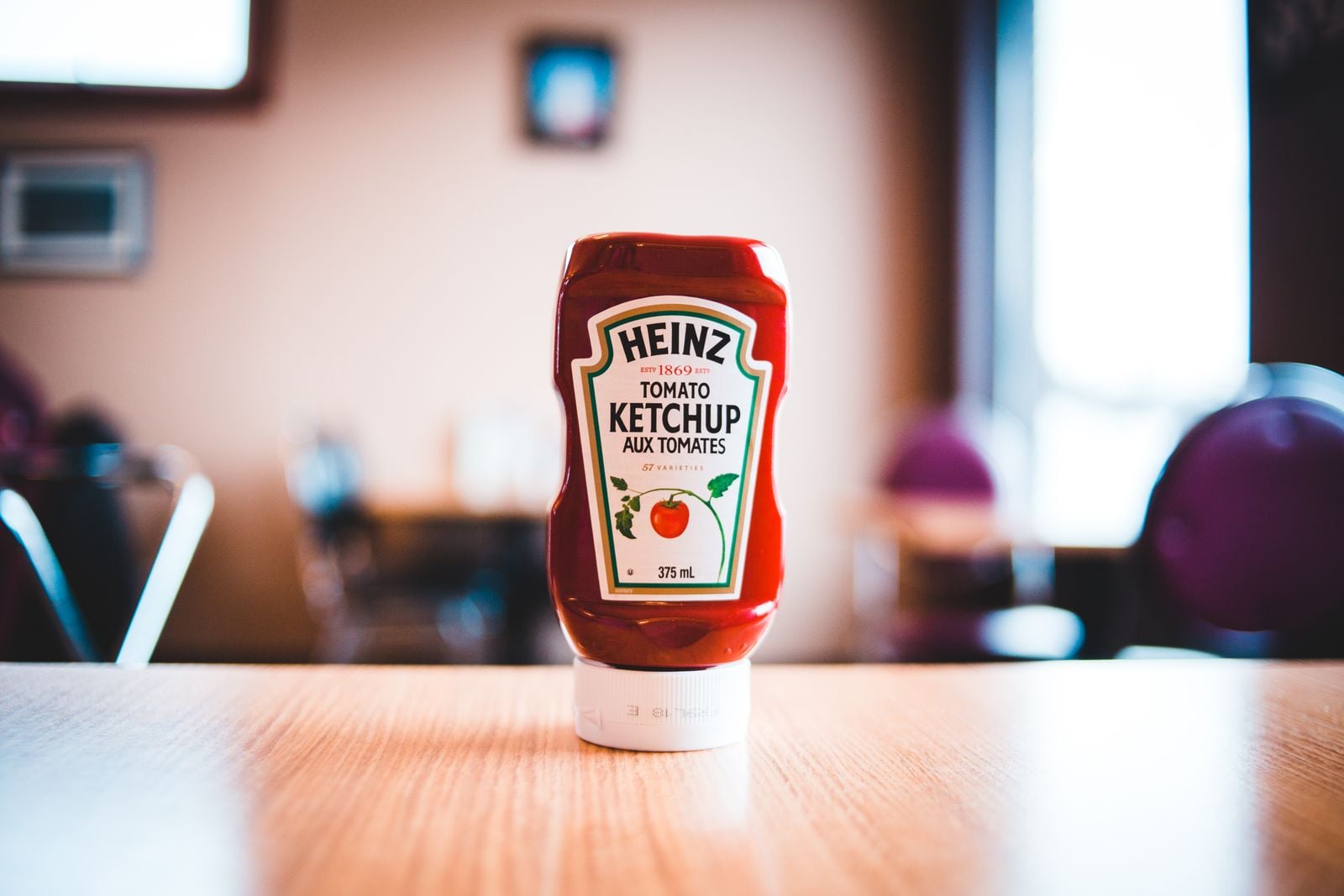
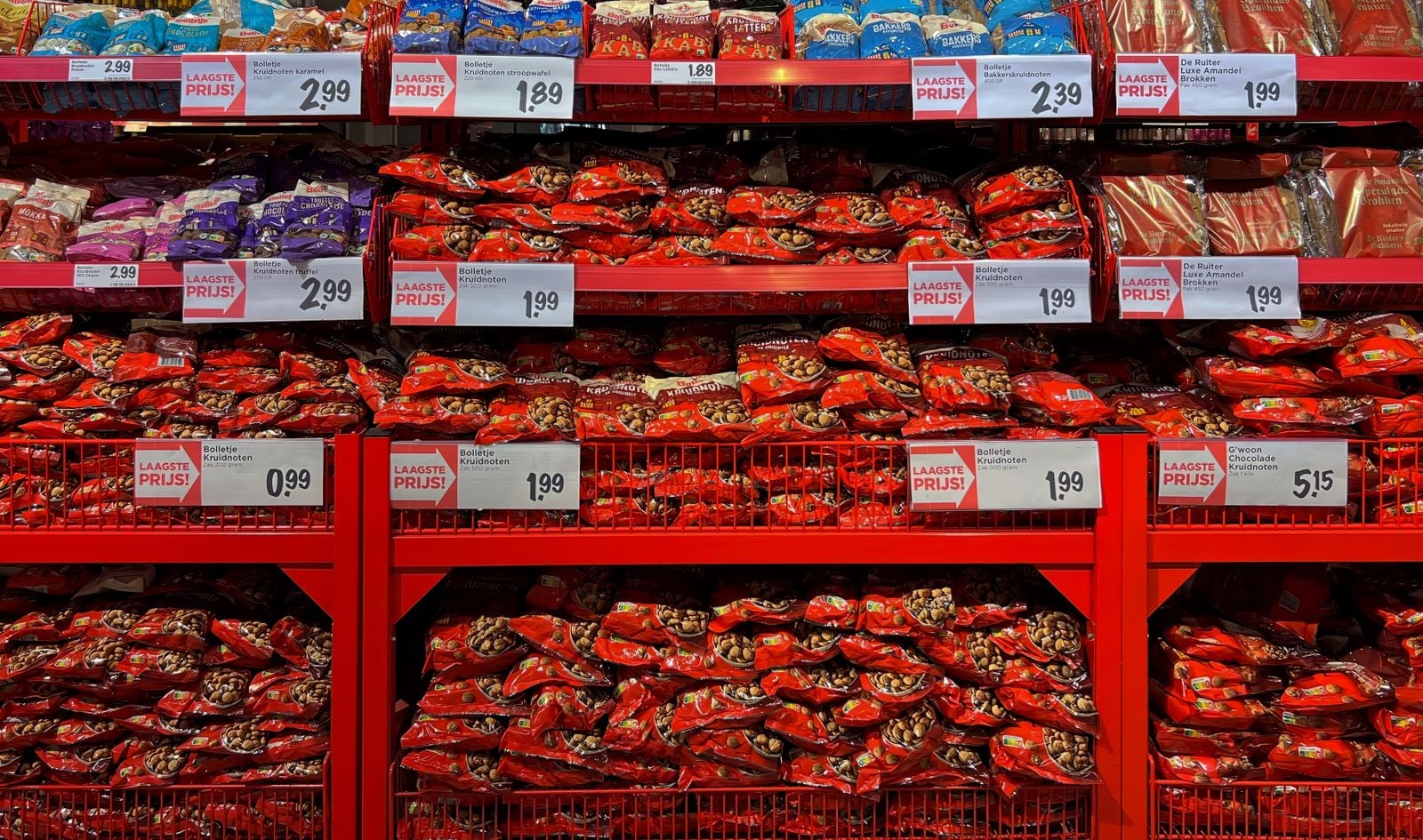
Kraft Heinz paused its breakup after a decade of decline - and that retreat says even more about the pressure reshaping the center of the grocery store
Kraft Heinz is splitting into two publicly traded companies a decade after the Buffett-backed merger, separating its sauces and seasonings business from…
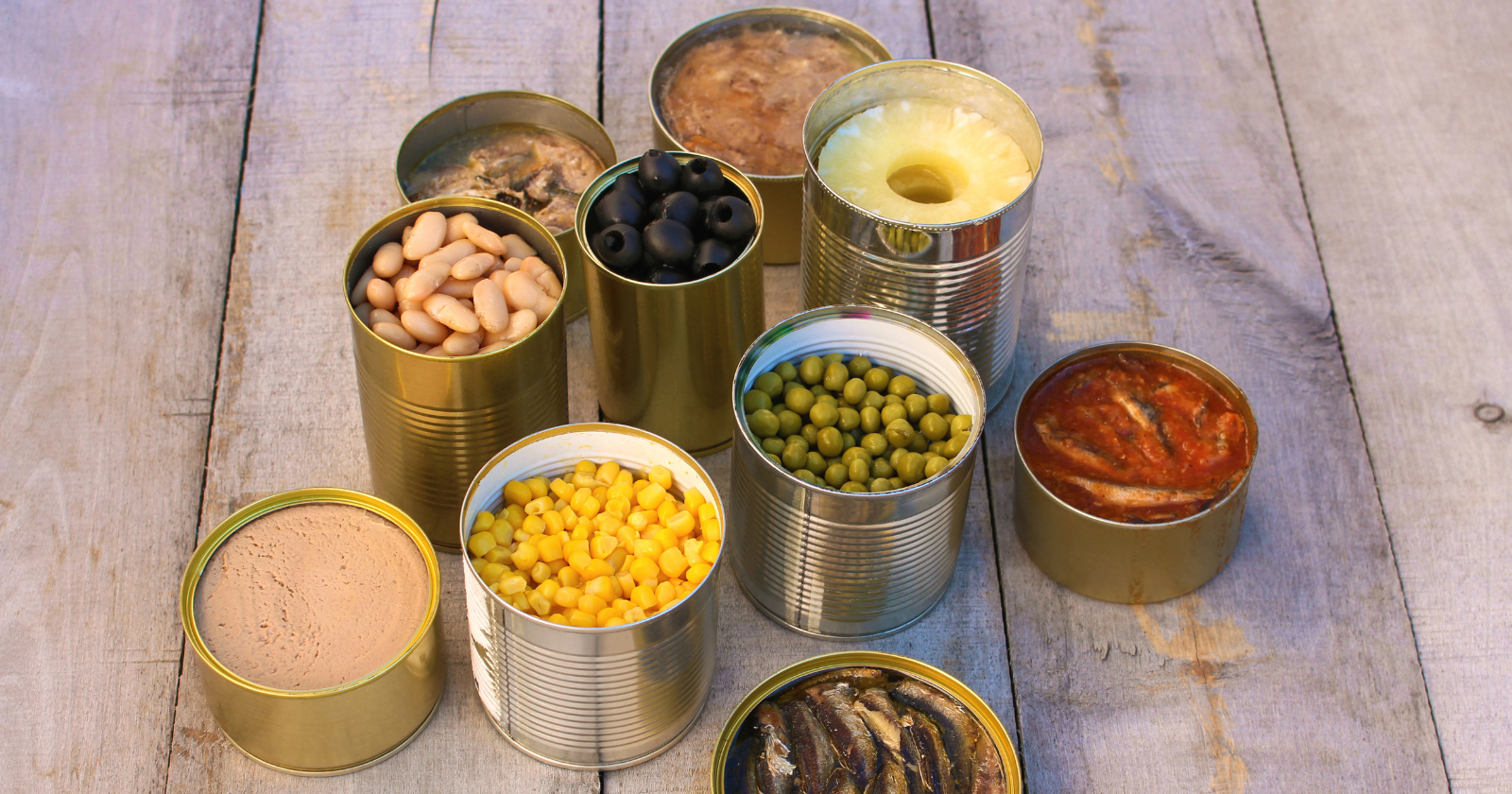
A French study tracked 112,000 adults for nearly a decade and named eight specific food preservatives by E-number — and two of them sound like things you'd find in a lemon
A French study of 112,395 adults found that high consumption of eight common food preservatives is linked to a 29% higher risk…

People who become vegetarian quietly in their fifties often aren't following a trend, they may have reached an age where looking away from where their food came from costs more than knowing
Late-life dietary shifts reveal something unexpected: people adopting plant-based eating after 50 are driven by ethics, not trends, citing animal welfare concerns…
 Eat Better
Mars just put a technology chief in charge of M&M's and Snickers — and the move says more about where CPG power is shifting than any restructuring announcement this year
Mars has named Kemal Cetin as digital and technology chief for its snacking unit, a hire that puts tech leadership at the…

Some of the loneliest people in midlife are the ones who cook beautifully for everyone they love and have never sat down to a meal someone else made specifically for them
Loneliness isn't always about eating alone. Some of the most isolated people in midlife are those whose kitchens overflow with gatherings they've…
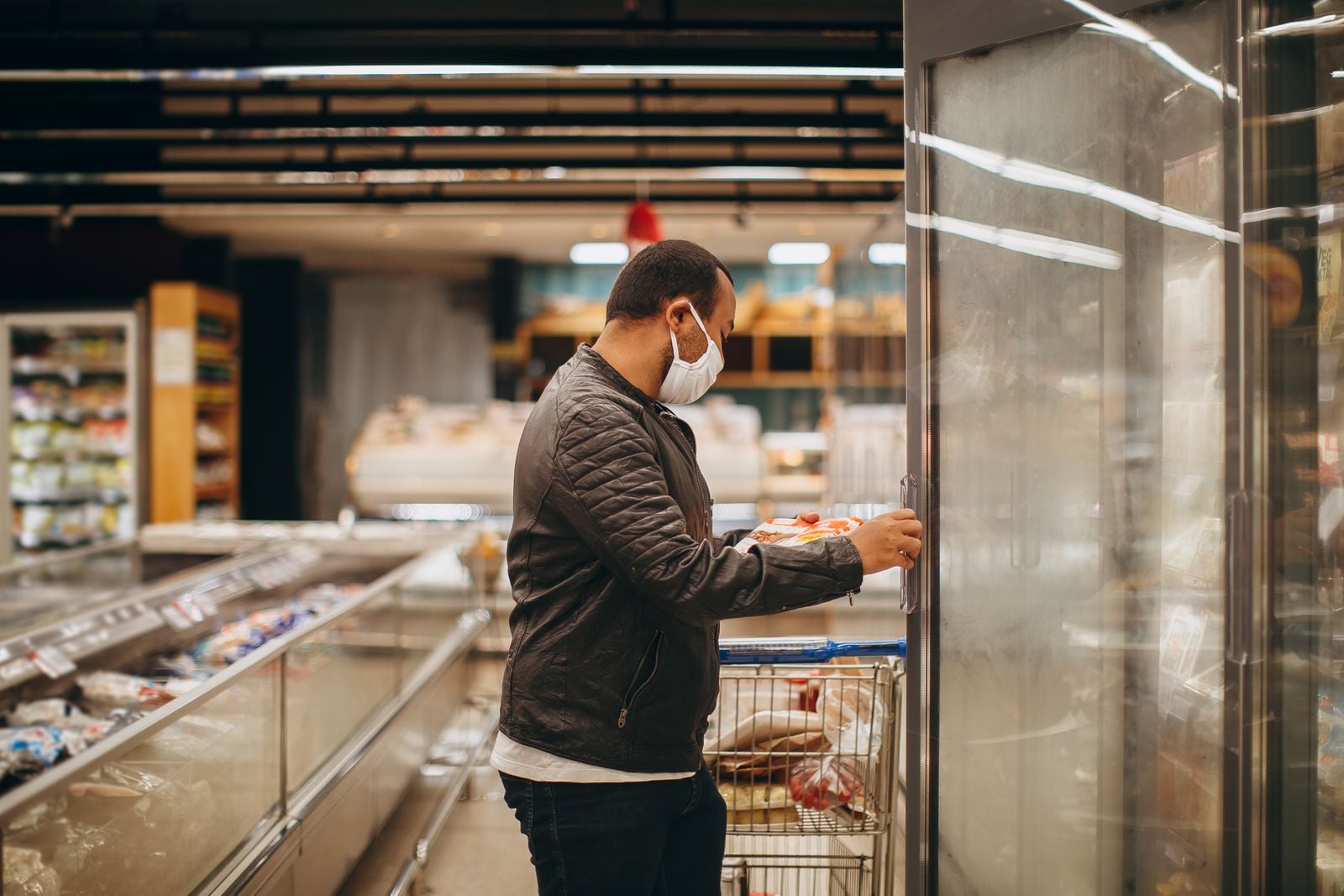
Sixty percent of UK and German shoppers say they'd buy meat blended with plants — and the survey data quietly upends what the alt-protein industry thought mainstream consumers actually wanted
A new Meatless poll of 3,500 shoppers finds 60% of UK and German consumers are open to buying blended meat — if…
 Eat Better
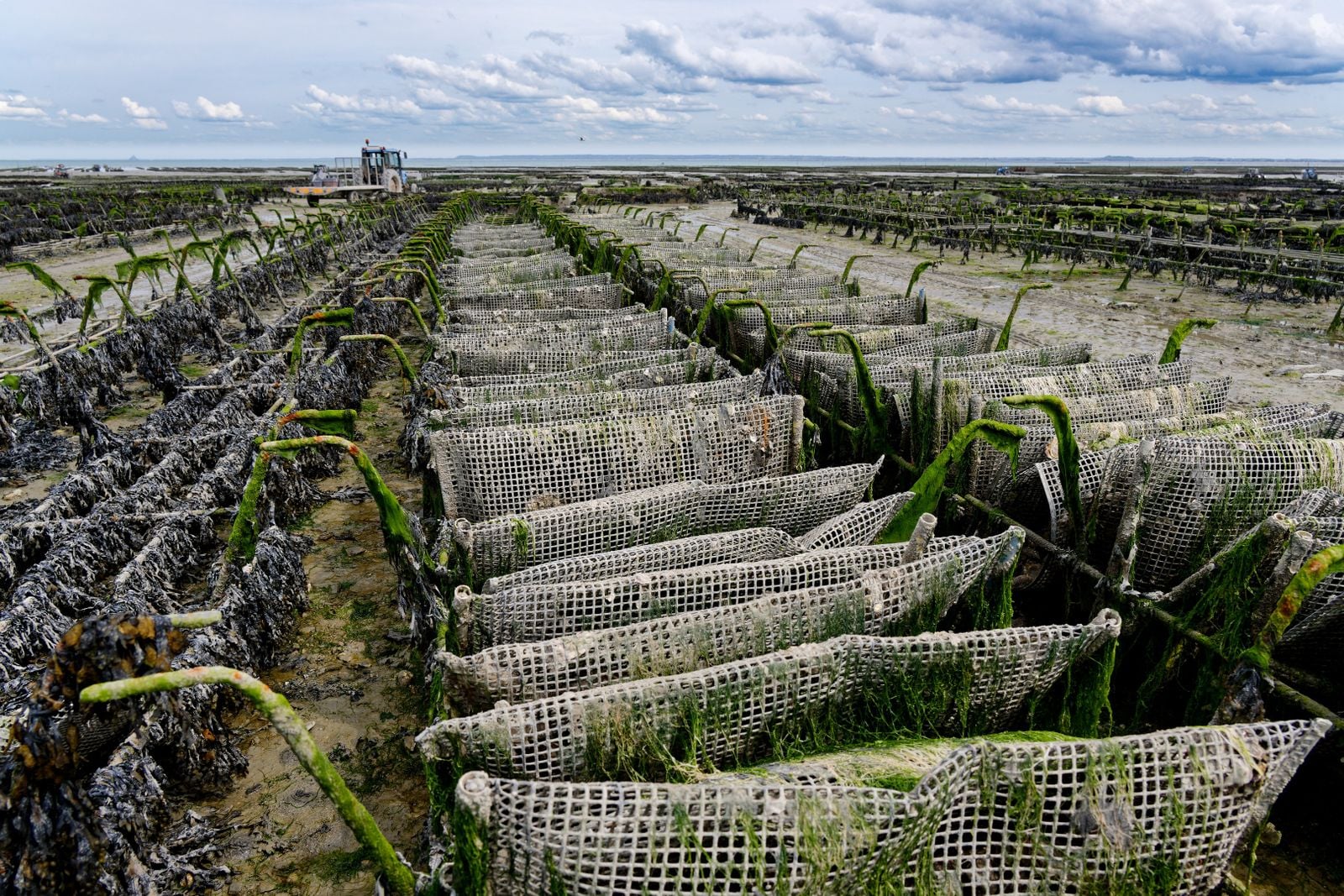
Bibigo's parent company is quietly building a land-based seaweed farm in Korea — and the move says more about the cracks in ocean aquaculture than the industry wants to admit
CJ Foods, the South Korean company behind Bibigo, is building a commercial land-based seaweed cultivation facility to secure supply as global demand…
Page 1 of 33