The meals may have been humble, but they quietly shaped how an entire generation understood comfort, survival, and family.
Food tells the story of who we were.
And if you grew up in a lower-middle-class household during the 80s or 90s, you probably remember dinners that weren’t fancy but got the job done. These meals weren’t about culinary flair. They were about stretching a budget, filling bellies, and getting through another week.
Some of these combos now feel nostalgic, others a little embarrassing—but all of them shaped how a whole generation experienced food.
Let’s dig into eight of the most defining ones.
1. Spaghetti and garlic bread
The king of weeknight dinners.
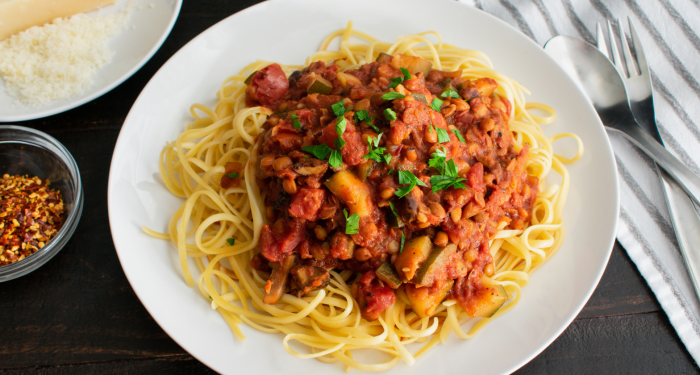
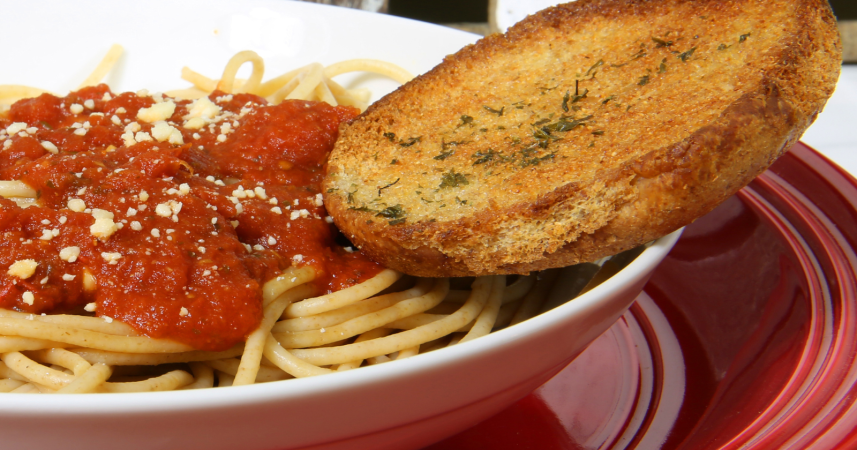
A giant pot of spaghetti, usually drowning in jarred Ragu or Prego, could feed a whole family for under five bucks. Add some garlic bread—made from leftover hot dog buns brushed with margarine and garlic powder—and suddenly it felt like a complete meal.
I remember how the bread always came out unevenly toasted, half crispy, half still soft. No one cared. It was filling, it was warm, and it was ours.
Psychologically, this combo worked because it combined cheap carbs with a sauce that tasted “special.”
Research shows our brains associate comfort foods with nostalgia and feelings of belonging: in one study, people describe comfort foods like pasta or familiar dishes as linked to memories of family and home, which elevates those meals above merely satisfying hunger.
In many ways, this meal taught families how to turn something simple into an “event.” Sunday spaghetti night wasn’t just food—it was ritual. Even if your dad worked overtime or your mom came home tired, you knew there’d be a big bowl of pasta waiting.
2. Tuna casserole and peas
If there was one dish that screamed frugality, it was tuna casserole.
A couple of cans of tuna, a can of cream of mushroom soup, some egg noodles, and a crushed potato chip topping. Done. Add peas on the side—or more likely, mixed in—and you had protein, carbs, and vegetables all in one dish.
This meal reflected a psychological drive toward efficiency. It didn’t just feed you; it eliminated decisions. Dinner was one dish in one pan.
Experts in food psychology note that simplifying meals and reducing the number of decisions we have to make around food helps people feel more in control, particularly during periods of financial stress or uncertainty.
And here’s the thing: it was also social. My mom used to bake it in a Pyrex dish and bring it to church potlucks. That casserole dish carried more than food; it carried the story of thrift, sharing, and belonging.
3. Hamburger helper and corn
Ask anyone who grew up lower-middle-class in the 80s or 90s and chances are they’ll say the words “Hamburger Helper” with a mix of disgust and nostalgia.
It was marketed as an upgrade to plain ground beef, but really, it was pasta with a powdered sauce packet. The corn on the side—always canned or frozen—made it feel like a balanced dinner.
The genius of Hamburger Helper was that it let families stretch a single pound of beef into a whole meal. Looking back, it’s a masterclass in marketing to working-class parents.
From a cultural perspective, it was also a symbol of “semi-homemade” cooking—before that phrase was trendy. Families felt like they were cooking, not just heating something up, which carried a sense of pride. It was a way of saying, “We may not eat steak, but we eat together.”
4. Hot dogs and baked beans
A true recession-proof combo.
Hot dogs were cheap, fast, and kid-friendly. Baked beans added bulk and sweetness. Sometimes we’d even slice the hot dogs and stir them directly into the beans.
This meal also tapped into cultural psychology. Americans in the 80s and 90s associated hot dogs with baseball and summertime. By pairing them with beans, families recreated that fun feeling at home—even when money was tight.
It’s worth noting that baked beans were one of those foods marketed as both nutritious and economical. Cans promised protein and fiber on the cheap. For families who couldn’t afford much else, this combo checked enough boxes to feel “complete.”
5. Meatloaf and mashed potatoes
Meatloaf was the ultimate “make it stretch” dinner.
You could use ground beef, bread crumbs, ketchup, and maybe an onion if you had one lying around. Mashed potatoes on the side turned it into a hearty meal that felt like comfort food, even when the meat was mostly filler.
I once read in a behavioral economics book that humans are wired to view “bulk” as security. Meatloaf delivered that. It wasn’t glamorous, but it was dependable.
Psychologically, mashed potatoes amplified that feeling. As noted by research from Brian Wansink and colleagues, people tend to reach for “less-healthy comfort foods” when they feel sad or stressed—foods that are warm, starchy, and familiar get processed by our brains as soothing.
6. Grilled cheese and tomato soup
Simple, fast, and endlessly repeated.
Most of us grew up with Kraft Singles melted between white bread, fried in margarine. The tomato soup almost always came from a red-and-white Campbell’s can. Together, they felt like a cozy pairing, perfect for cold nights.
There’s a reason this combo is still considered comfort food. As noted by food historian Andrew Smith, “Grilled cheese and tomato soup is the edible equivalent of a hug.” Families in the 80s and 90s didn’t have to think twice—it was cheap, reliable, and emotionally satisfying.
What fascinates me now is how this meal doubled as an emotional reset button. After a hard day, grilled cheese and soup worked like a shortcut to calm. It’s proof of how meals can act as micro-rituals for stress relief.
7. Sloppy joes and potato chips
Sloppy joes were messy, sure, but they were also fun.
Ground beef mixed with Manwich sauce or ketchup and mustard, scooped onto white buns—it was chaos on a plate. The chips weren’t a side so much as an extra crunch, usually served right inside the sandwich.
Why did this meal define the era? It blurred the line between dinner and snack food. Parents got points for serving a “hot meal,” but kids saw it as play food. That dual appeal made it a household staple.
For me, sloppy joe night was one of the few times we were allowed to eat in front of the TV. Maybe my parents figured it was pointless to fight the mess. Looking back, I realize that meals like this weren’t just about eating—they were about bending the rules in small, joyful ways.
8. Fried bologna sandwiches and mac and cheese
When money was really tight, fried bologna came out.
Sliced thin, thrown in a frying pan until the edges curled, and slapped onto white bread with mayo or mustard. Pair it with a box of Kraft mac and cheese, and you had a meal that felt indulgent to kids, even if it was born out of necessity.
I still remember the smell of bologna hitting the pan—it was unmistakable. At the time, I didn’t realize it was just a budget alternative to real deli meat. Looking back, it was one of those “hidden poverty markers” we didn’t recognize until later.
From a cultural standpoint, this combo revealed something bigger: how children interpret food differently than adults. What parents saw as a compromise, kids often experienced as a treat. That’s why so many of us look back on it with fondness, even if our parents looked at it with guilt.
The bottom line
These eight combos weren’t about gourmet dining. They were about resilience, resourcefulness, and making do with what you had.
For better or worse, they defined an era. And maybe the real lesson is this: food doesn’t just fill us up—it shapes our psychology, our memories, and our sense of what home feels like.
And if you look closely, you’ll see that many of these meals weren’t just dinners—they were cultural symbols of survival, comfort, and togetherness.