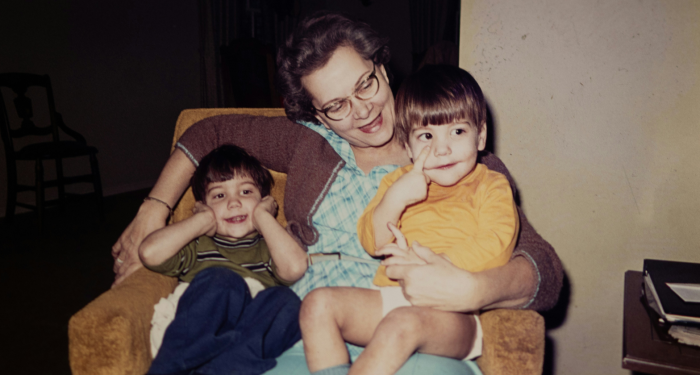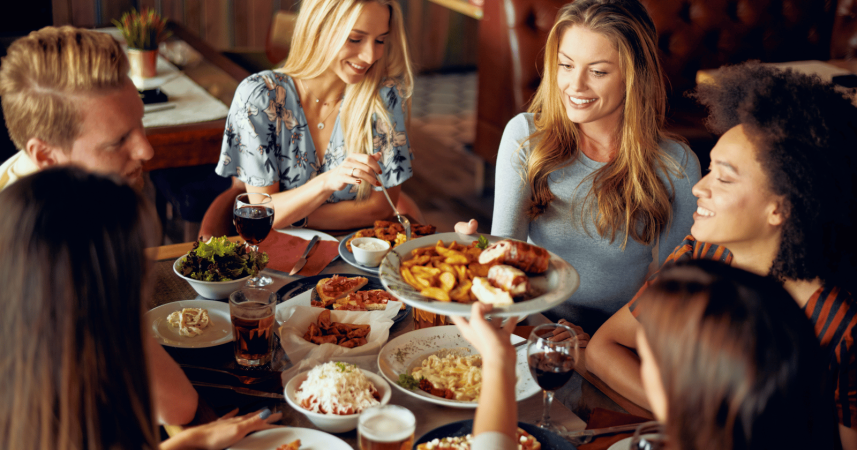
A nostalgic look at the nights when linen napkins, bread baskets, and dim lighting made ordinary dinners feel like something extraordinary.

Add VegOut to your Google News feed. 
There was a time when “dining out” didn’t mean scrolling through delivery apps or chasing down the latest pop-up restaurant.
In the 1980s, eating out was an event. You got dressed up, maybe wore your church shoes, and climbed into the family sedan with that faint mix of excitement and anticipation. You didn’t just want food; you wanted an experience.
And back then, plenty of chain restaurants were ready to deliver exactly that.
For middle-class families, these spots were the closest thing to fine dining. They offered dim lighting, plush booths, and menus that felt exotic: steak, seafood, even pasta dishes that sounded foreign and sophisticated.
Looking back now, they might seem ordinary. But at the time, they were special.
Here are eight restaurant chains that made every 80s family feel like they’d stepped up in the world.
1) Red Lobster
If you were a kid in the 80s, Red Lobster was probably your first taste of “the good life.”
You walked in and immediately smelled that buttery, garlicky aroma that clung to your clothes for hours but somehow felt worth it. The nautical decor, complete with ship wheels and lobster tanks, gave it all a coastal charm that made you forget you were hundreds of miles from the nearest ocean.
And those cheddar bay biscuits? They were pure luxury in bread form. They arrived warm, flaky, and unlimited. When your family got a basket refilled, it was the equivalent of winning the lottery.
Seafood, back then, wasn’t an everyday thing for middle-class families. It was special-occasion food. And Red Lobster knew exactly how to make it feel indulgent.
Even today, the name carries a whiff of nostalgia like the smell of melted butter you can still imagine when you think about your parents ordering the Admiral’s Feast.
2) Olive Garden
There was a time when “We’re going to Olive Garden” was said with the same pride as “We’re going to Paris.”
In the late 80s, the Olive Garden was marketed as “Your Italian Family Table.” For middle-class America, that tagline hit home. It made Italian dining, complete with wine, breadsticks, and a sense of occasion, feel accessible.
The food was hearty, comforting, and vaguely European. Endless salad bowls with that tangy dressing, fettuccine Alfredo thick enough to coat every forkful, and chicken parm that came sizzling out from the kitchen like a gift.
And let’s not forget the mints. Those tiny Andes chocolates at the end of the meal were the grand finale, the cherry on top of your suburban Tuscan dream.
I remember watching my parents sip a carafe of red wine, the candlelight flickering between them, and thinking, Wow, this must be what fancy adults do in Italy.
Sure, we know now it wasn’t exactly Rome. But at the time, Olive Garden gave families an authentic taste of something new: belonging to a bigger, more refined world.
3) The Cheesecake Factory
It’s hard to overstate how over-the-top The Cheesecake Factory felt when it started catching on.
The ornate architecture, the golden lighting, the huge columns; it was like dining inside a palace with a 20-page menu.
In the 80s, few restaurants made abundance look this glamorous. You could order anything: pasta, tacos, steak, or Thai lettuce wraps. The portions were massive, the plating extravagant, and of course, the cheesecakes themselves looked like something out of a dessert magazine.
Families loved it because it felt like an event. It wasn’t just a meal; it was a feast.
And the best part? It gave people a sense of indulgence without the intimidation of a “real” fine-dining restaurant. You could show up in jeans, get seated under chandeliers, and still feel like you were living large.
4) Ponderosa Steakhouse
Before the explosion of fast-casual dining, the Ponderosa Steakhouse was America’s idea of an affordable steakhouse for the everyman.
If you grew up middle-class, Ponderosa was a big deal. Your parents probably worked hard all week, and when Friday rolled around, this was their version of luxury.
You’d walk up to the counter, order your steak, and watch as the cook threw it on the grill in plain sight. That sizzling sound was a promise that something special was about to hit your plate.
Then came the salad bar. For kids, it was paradise: heaps of iceberg lettuce, shredded cheese, ham cubes, croutons, and a lineup of creamy dressings. You could go back as many times as you wanted, which made you feel like royalty.
There was no pretense, just hearty food served with pride. In the 80s, that combination, good value, generous portions, and a little theater, was enough to make Ponderosa feel like high-end dining.
5) Bennigan’s
In the 80s, Bennigan’s was where you went to feel a little sophisticated.
The Irish-themed chain was cozy, dimly lit, and decorated with brass fixtures and wood paneling that made it feel more pub than restaurant. For suburban families, it was a taste of the world beyond their neighborhood.
It was also one of the first chains to bring a “bar and grill” vibe to casual dining. Parents could have cocktails, teens could order burgers, and everyone could share those famous Monte Cristo sandwiches dusted with powdered sugar and served with raspberry jam.
Looking back, it’s easy to see why Bennigan’s felt upscale; it had atmosphere. The music, the lighting, even the staff uniforms made it feel like you’d escaped the strip mall outside.
To this day, I can still picture my dad ordering a beer he couldn’t pronounce and pretending to know what was in it.
6) Sizzler
No list of 80s “fancy” dining would be complete without Sizzler.
This was the place for people who wanted it all. Steak, seafood, chicken, salad bar; it was a buffet of possibilities.
Sizzler managed to make affordable feel extravagant. The food was simple, but the presentation sold it: sizzling plates, endless side options, and commercials showing families cutting into juicy steaks with huge smiles.
And let’s be honest: nothing made a kid feel more grown-up than carrying a tray piled high with rolls, fried shrimp, and a pudding cup for dessert.
It wasn’t about gourmet flavor; it was about abundance. In a decade obsessed with prosperity, Sizzler embodied that dream.
7) Chi-Chi’s
Before Chipotle and Chili’s dominated the Tex-Mex scene, there was Chi-Chi’s.
It was loud, colorful, and unapologetically festive. You didn’t just eat there; you celebrated.
Every visit felt like a mini-vacation to Mexico, even though it was really just the local strip mall. From the sizzling fajitas to the tableside guacamole, Chi-Chi’s was one of the first mainstream introductions to Mexican-inspired cuisine for many middle-class Americans.
And the cocktails, oh, the cocktails. The margaritas were neon green and came in glasses the size of small aquariums. When the staff sang “Feliz Cumpleaños” and placed a sombrero on someone’s head, it was peak joy.
Was it authentic? Absolutely not. But in the 80s, that didn’t matter. It was fun.
Chi-Chi’s gave families permission to celebrate loud, laugh hard, and try something outside their culinary comfort zone.
8) TGI Friday’s
Finally, we have the king of casual celebration: TGI Friday’s.
Friday’s was the restaurant equivalent of confetti. It was loud, packed, and bursting with personality.
In the 80s, it wasn’t just a place to eat; it was where you went to feel alive. The servers wore suspenders covered in buttons, the walls were plastered with random memorabilia, and the energy was infectious.
Parents loved it because it felt trendy. Teenagers loved it because it felt grown-up. And kids loved it because the desserts were massive and the waiters had jokes for days.
The food was hearty, predictable, and comforting, burgers, ribs, Jack Daniel’s chicken. But the vibe? That’s what people came for.
Friday’s was the first restaurant to make “casual dining” feel like a party. You could walk in after a long week, clink glasses, and feel like you were part of something bigger than just dinner.
The final bite
These restaurants weren’t just places to eat; they were cultural touchstones.
They symbolized aspiration, family connection, and the joy of treating yourself to something a little nicer than usual. For a generation of middle-class families, going out to Red Lobster or Olive Garden wasn’t about the food; it was about the feeling.
It was a reward for hard work, a night off from cooking, and a chance to sit down together and celebrate life’s little wins.
Sure, food culture has evolved. Today, we chase authenticity, farm-to-table menus, and minimalist plating. But back then, fancy meant full plates, dim lights, and a warm smile from your server who remembered your usual order.
And honestly, there’s something beautiful about that simplicity.
Because whether it’s 1985 or 2025, eating out has never just been about calories or cuisine; it’s about connection.
Those chain restaurants, with their booths and breadsticks, gave us more than meals. They gave us memories.
And for that, they’ll always be “upscale” in their own way.
Now watch
Our friends at Wake-Up Call just published a fascinating story about the time Thai Buddhist monks went to war against the illegal logging industry. It's a mind blowing story and worth watching.
What’s Your Plant-Powered Archetype?
Ever wonder what your everyday habits say about your deeper purpose—and how they ripple out to impact the planet?
This 90-second quiz reveals the plant-powered role you’re here to play, and the tiny shift that makes it even more powerful.
12 fun questions. Instant results. Surprisingly accurate.