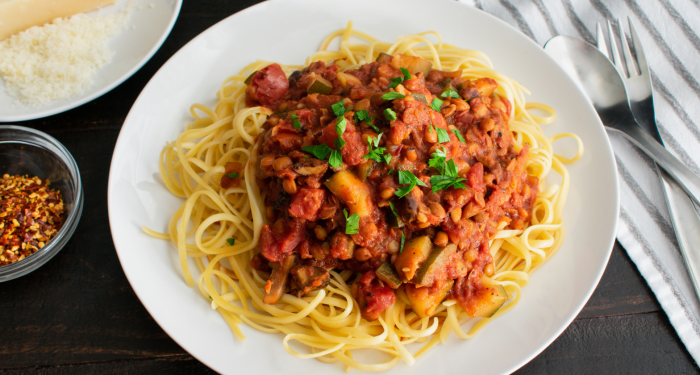
True vitality after 50 isn’t about slowing down—it’s about knowing which foods quietly fuel your strength, stamina, and long-term health.
Getting older doesn’t mean giving up strength, energy, or a love for good food—it just means you’ve got to be more intentional about how you fuel your body.
If you’re a man over 50, protein is one of your best allies. It helps preserve lean muscle mass, supports recovery, maintains metabolic health, and even boosts your immune system. But here’s the kicker—not all protein sources are equal.
So, what should you actually be putting on your plate if you want to keep up stamina and health as you age?
Here are seven protein-rich foods that check all the boxes.
1. Salmon
Salmon is one of those rare foods that manages to feel indulgent and health-conscious at the same time.
Every 100 grams gives you about 20 grams of high-quality protein, plus a hefty dose of omega-3 fatty acids. Those omega-3s help lower inflammation, keep your heart strong, and even protect cognitive health. Considering men over 50 face higher risks of cardiovascular disease and memory decline, this is a protein worth prioritizing.
Recent research links higher omega‑3 intake with better brain structure and cognitive performance in middle-aged adults, along with less small‑vessel brain disease in individuals genetically predisposed to dementia.
Dr. Dariush Mozaffarian of Tufts University, director of the Food is Medicine Institute, emphasizes that fish remains one of the few animal foods consistently linked to health benefits, with salmon often topping the list of recommendations,
I’ll admit: the first time I had wild-caught salmon, pan-seared with nothing more than olive oil, lemon, and dill, I realized just how different quality ingredients taste. It felt like fuel and comfort food rolled into one.
If fresh salmon is pricey where you live, don’t dismiss frozen or even canned options. They’re often just as nutrient-rich and easier on the wallet.
2. Greek yogurt
Want an easy, no-fuss protein source? Greek yogurt is a powerhouse.
A single cup has about 20 grams of protein—comparable to a chicken breast—along with probiotics that support gut health. Add calcium and potassium into the mix, and you’ve got one food that covers multiple nutritional bases.
I started leaning on Greek yogurt after workouts because it felt lighter than a protein shake but still left me satisfied. Add berries, nuts, or even a drizzle of honey, and you’ve got something that feels more like a dessert than a “health food.”
According to Harvard Health, fermented foods like yogurt can also boost your immune system and support healthy digestion. That’s no small perk for men who want to age strong rather than just age.
And here’s a tip: look for plain Greek yogurt without added sugar. Flavored versions can sneak in as much sugar as ice cream, which cancels out the health benefits pretty quickly.
3. Eggs
The humble egg is still one of the most efficient protein sources out there.
Each large egg contains about six grams of protein, plus essential amino acids your body needs to build and repair tissue. They also deliver vitamins A, D, and B12—all nutrients that play a bigger role in health as we age.
For years, eggs got a bad rap because of cholesterol. But the science has changed: moderate egg consumption is safe for most people and may actually improve good cholesterol (HDL).
In fact, one randomized controlled trial found that in overweight or obese older adults (around 70 years old), following a 12‑week, eucaloric, high‑protein diet—including three whole eggs a day—improved markers of muscle composition and cardiometabolic health compared to a lower‑protein, egg‑free diet.
What I love most about eggs is how versatile they are. Scrambled for breakfast, poached on toast, or hard-boiled for a quick snack—they’re basically the Swiss Army knife of protein foods. And let’s be honest: there’s something deeply comforting about a perfectly cooked omelet.
4. Chicken breast
Sometimes the classics are classics for a reason.
A skinless chicken breast gives you over 25 grams of lean protein with very little fat, making it one of the most efficient ways to hit your daily protein target. For men over 50, that’s critical, since muscle mass naturally declines with age and requires more effort to maintain.
When I worked in hospitality, I used to roll my eyes when customers ordered chicken breast instead of the adventurous specials. But now I understand. It’s clean, adaptable, and pairs with just about any flavor profile—spices, marinades, herbs, you name it.
Protein researcher Dr. Donald Layman has emphasized that older adults actually need more protein per meal than younger people to stimulate muscle growth.
His research shows that consuming 30–40 grams of high-quality protein at each meal—rather than skewed or minimal protein intake—significantly enhances muscle protein synthesis and supports muscle health in aging populations
If plain grilled chicken bores you, try experimenting: stuff it with spinach and feta, marinate it in miso and sesame, or roast it with fresh herbs. When done right, chicken breast can be anything but dull.
5. Lentils
Protein doesn’t have to come from meat. Lentils deliver about 18 grams of protein per cooked cup, along with fiber, iron, and folate. That combination makes them not just filling but also a blood sugar–stabilizing powerhouse.
I first really noticed the power of lentils while traveling through India. A simple dal—lentils cooked with turmeric, garlic, and cumin—gave me steady, calm energy for hours. It wasn’t flashy, but it was satisfying in a way that fast-burning carbs never are.
Research from the University of Toronto has shown that legumes like lentils can help lower cholesterol and improve heart health.
And the best part? They’re cheap, shelf-stable, and cook faster than most beans. You don’t need a Michelin-star chef to make them taste great—a simple soup, curry, or salad topping does the trick.
6. Cottage cheese
This one might feel old-fashioned, but cottage cheese is a protein goldmine.
Half a cup contains about 14 grams of protein, most of it in the form of casein. Unlike whey (which digests quickly), casein digests slowly, feeding your muscles with amino acids over several hours. That makes it a perfect bedtime snack if you want to preserve muscle while you sleep.
In fact, a study published in the British Journal of Nutrition found that consuming around 30 grams of protein in the form of cottage cheese 30 minutes before bed boosted resting metabolic rate the following morning and supported muscle repair during sleep
Bodybuilders have sworn by cottage cheese for decades, but it’s not just for gym rats. For men over 50, it provides calcium, phosphorus, and B12—nutrients that help support bone density and energy production.
If plain cottage cheese doesn’t appeal, dress it up: add pineapple, fresh herbs, or even a drizzle of hot sauce. It’s more versatile than it gets credit for.
7. Lean beef
Finally, let’s talk about steak.
Lean cuts of beef like sirloin or tenderloin provide about 25 grams of protein per serving, plus iron, zinc, and vitamin B12. Those nutrients support testosterone levels, red blood cell production, and immune health—all critical as men age.
Of course, moderation matters. Too much red meat can raise cardiovascular risks, but having it once or twice a week as part of a balanced diet? That’s more than reasonable.
Some of the best meals of my life have involved steak—seared simply with salt, pepper, and garlic butter. The flavor, the satisfaction, the ritual of it all—it’s food that feeds both body and soul.
Protein researcher Dr. Stuart Phillips—one of the world’s leading experts on protein and aging—emphasizes that red meat in moderation is absolutely compatible with healthy aging, particularly when it helps support muscle strength as part of a nutrient-rich diet and regular resistance exercise.
It’s not the enemy—it’s just one tool in the toolbox.
Final words
Here’s the reality: after 50, your body doesn’t absorb and use protein as efficiently as it once did. That means you’ve got to be more deliberate about both how much and what kind you eat.
The good news? The foods we just went through—salmon, Greek yogurt, eggs, chicken breast, lentils, cottage cheese, and lean beef—are not only nutrient-dense, but they’re also versatile and delicious.
And it doesn’t need to be complicated. A yogurt parfait for breakfast, lentil soup at lunch, grilled salmon for dinner, and maybe some cottage cheese as a snack—that’s a day of eating that supports muscle, energy, and longevity.
The trick is to mix it up. Blend plant and animal sources. Explore new recipes. And most importantly, enjoy your food. Because eating for health doesn’t have to mean sacrificing taste or pleasure.
So the next time you’re at the market or planning your week’s meals, ask yourself: which of these seven protein-rich foods can I add today? Your body—and your future self—will be glad you did.
If You Were a Healing Herb, Which Would You Be?
Each herb holds a unique kind of magic — soothing, awakening, grounding, or clarifying.
This 9-question quiz reveals the healing plant that mirrors your energy right now and what it says about your natural rhythm.
✨ Instant results. Deeply insightful.