The meals that defined a generation weren’t born from abundance—they were shaped by grit, creativity, and the quiet magic of making something from almost nothing.

Add VegOut to your Google News feed. 
Boomers grew up in a completely different food world. No meal delivery apps. No oat milk lattes. No “$18 side salad, dressing on the side.”
Their kitchens ran on resourcefulness. Dinner came from what was on hand — not what was trending. And yet, despite the limited options, many of those so-called “poor man’s meals” turned out to be… well, kind of amazing.
These weren’t luxury dishes. They were born out of necessity, using the cheapest ingredients people could find — beans, potatoes, cabbage, canned tuna. But with a little creativity and a lot of love, those meals became staples that still hold up today.
Let’s look back at seven humble dishes that proved you don’t need money to make something memorable.
1) Fried bologna sandwiches
If you grew up hearing that signature sizzle of bologna hitting a hot pan, you know the magic I’m talking about.
Boomers often made fried bologna sandwiches because it was what they had — an affordable stand-in for deli meat.
But once that bologna curled up in the pan and the edges turned crisp and caramelized, it became something else entirely. The smell alone could make your mouth water.
The classic version was simple: white bread, a dollop of mustard or mayo, and a hot slice (or two) of fried bologna. Some families added an egg or cheese if they had it. Others toasted the bread in the same pan, letting it soak up that savory grease.
I tried my first one years ago at a diner in Kentucky — a double-decker with a fried egg and American cheese. I remember thinking, this is better than half the $20 sandwiches I’ve ordered in New York.
Now you’ll find “artisanal” versions in hipster brunch spots — sourdough bread, homemade pickles, Dijon aioli. But honestly, the old-school version still reigns supreme. There’s something satisfying about food that doesn’t try too hard.
2) Potato soup
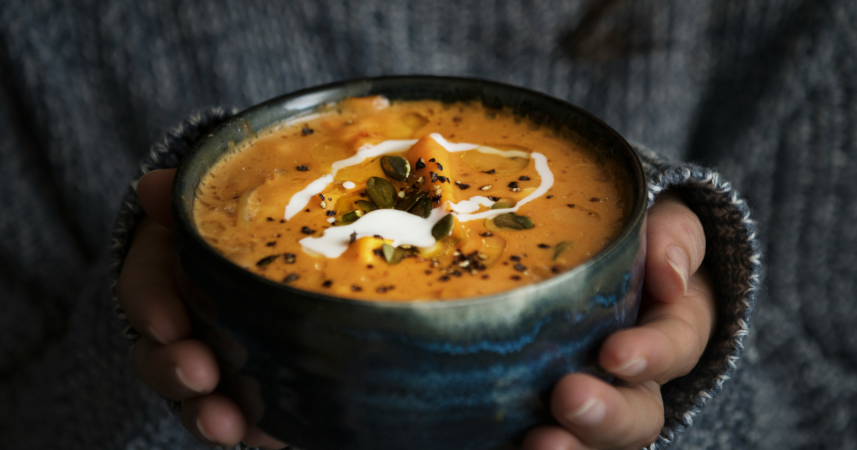
If there was one ingredient that saved generations of families from hunger, it was the humble potato. During tough times, a pot of potato soup could stretch a few ingredients into something that felt hearty and comforting.
The base was always simple: potatoes, onion, butter, milk, salt, and pepper. Some people added bacon, carrots, or celery if they had them. It was smooth, creamy, and filling — the kind of meal that warmed you from the inside out.
My grandmother used to say, “Potato soup doesn’t care if you’re rich or poor — it always feels like home.”
She wasn’t wrong. Even the minimalist version had depth. The starch in the potatoes thickened the broth naturally, creating that velvety texture no store-bought soup ever matches.
Modern chefs love reinventing this dish with roasted garlic, leeks, or truffle oil — but the essence remains the same. It’s comfort food that whispers rather than shouts.
If you want to elevate it without losing its soul, try adding roasted potatoes for texture or a drizzle of olive oil for richness. But truthfully, all it needs is a hunk of crusty bread and a cold night to taste perfect.
3) Beans and cornbread
Few meals capture American resilience quite like beans and cornbread. It was the working-class dinner that didn’t feel like a compromise — it was hearty, flavorful, and incredibly cheap to make.
Pinto beans were the go-to, simmered for hours with salt, pepper, and maybe a ham bone or bacon grease for flavor. The cornbread was baked in cast iron, crispy on the outside and tender inside. Together, they made a meal that stuck to your ribs.
What I love about this combo is that it wasn’t just food — it was community. Families would make big pots to share, neighbors would stop by with their own spin on the recipe, and every region had its twist.
When I spent a few months in Nashville, I learned that some folks crumble their cornbread right into the beans and eat it with a spoon. At first, I thought it looked like mush. Then I took a bite — and realized it’s genius. The textures and flavors blend into something earthy and deeply comforting.
Beans and cornbread are having a quiet comeback. Between the rise of plant-based eating and the rediscovery of heritage recipes, this dish checks every box — nutritious, sustainable, and cheap.
4) Cabbage rolls
This one might surprise you, but cabbage rolls were the epitome of culinary efficiency. You could feed a large family with one head of cabbage, a little rice, and some ground meat.
The recipe traveled across oceans — from Poland, Hungary, and Ukraine to the U.S. — and became a staple in immigrant households. Boomers kept the tradition alive because it stretched ingredients beautifully.
Each leaf was blanched, filled with a savory mix of rice and meat, then simmered in tomato sauce until tender. The result was pure comfort: soft cabbage, rich filling, and that tangy tomato coating that tied it all together.
When I worked in fine dining, we used to serve a “deconstructed cabbage roll” on the menu — basically the same ingredients, just plated with fancy garnishes. It made me smile because the humble version, made with care at home, honestly tasted better.
That’s the beauty of dishes like this — they remind you that good food doesn’t come from price tags; it comes from patience and practice.
5) Goulash
Every boomer household had their version of goulash. Usually, it meant a pot of elbow macaroni mixed with ground beef, canned tomatoes, onions, and maybe some garlic or paprika if you were lucky.
It was fast, affordable, and could feed everyone with leftovers to spare. It wasn’t gourmet — but it was flavorful, filling, and made with love.
Some called it “American chop suey.” Others just called it dinner.
As someone who’s spent years in restaurant kitchens, I can tell you this: balance is everything in cooking. Goulash nails that balance. You’ve got carbs, protein, acid, and fat — all playing off each other in perfect harmony.
What’s funny is how this dish has come full circle. One-pot meals are back in style, especially among younger generations looking for easy, cheap comfort food. Food creators online are “reinventing” what our grandparents already mastered decades ago.
Every time I make goulash, I’m reminded that nostalgia isn’t just about the past — it’s about remembering what works and bringing it forward.
6) Tuna noodle casserole
Tuna noodle casserole was the definition of “making it work.” Canned tuna, cream of mushroom soup, egg noodles, and maybe some frozen peas — that was the blueprint.
It wasn’t fancy, but it got the job done. The creamy sauce, the tender noodles, the crunch of breadcrumbs (or crushed potato chips, if you grew up in a house like mine) — it hit all the right textures.
My mom used to make this on Fridays when groceries were running low. It was her way of saying, “We’re fine. We’ve got this.” And honestly, it always tasted better the next day, after everything had time to meld together in the fridge.
As an adult, I tried upgrading it: sautéed fresh mushrooms, homemade béchamel, good-quality tuna, and panko on top. The result? The same cozy satisfaction, just with cleaner flavors.
It’s a perfect example of how a meal born from limitation can evolve into something timeless.
And it’s a reminder that resourcefulness — whether in food, business, or life — often leads to the most memorable results.
7) Tomato sandwich
Finally, let’s end with the simplest of them all: the tomato sandwich. Just white bread, mayo, salt, pepper, and a thick, juicy slice of tomato. That’s it.
No cheese. No greens. No garnish. Just the essentials.
It might sound too basic, but when the tomatoes are ripe — truly ripe — it’s heaven. The juice soaks into the bread, the mayo adds creaminess, and the salt makes the whole thing sing.
I first tried one while visiting a friend’s family in North Carolina. Her grandmother served them for lunch on a hot July day. I remember laughing when she told me, “You eat it standing over the sink so you don’t make a mess.” Then I took a bite — and understood immediately.
You can’t fake flavor like that. It’s the taste of summer, simplicity, and nostalgia — all in one messy bite.
Now, high-end cafes are serving versions of this with heirloom tomatoes, sourdough, and aioli. But honestly? The original still wins. There’s beauty in not overcomplicating things.
Final thoughts
When you look back at the meals boomers grew up eating, one thing becomes clear: Good food has never been about money — it’s about meaning.
These dishes tell stories of families who made do with what they had, who turned scraps into comfort and creativity into flavor. They remind us that resilience and joy often share a kitchen.
I think about this a lot when I see modern food trends — $20 smoothies, gourmet “rustic” dishes, fusion everything. We’re chasing sophistication, but sometimes we overlook the soul of food.
The best meals aren’t about presentation; they’re about connection. A pot of beans shared between friends, a sandwich eaten over the sink, a bowl of soup that warms you after a long day — that’s real nourishment.
So the next time you’re tempted to dismiss a simple dish as “poor,” remember this: Every great chef started with humble ingredients. Every culture built its cuisine on resourcefulness. And sometimes, the most comforting flavors come from the meals that cost almost nothing to make.
Because in the end, flavor — like happiness — has never been about what you have. It’s about what you do with it.
If You Were a Healing Herb, Which Would You Be?
Each herb holds a unique kind of magic — soothing, awakening, grounding, or clarifying.
This 9-question quiz reveals the healing plant that mirrors your energy right now and what it says about your natural rhythm.
✨ Instant results. Deeply insightful.

Adam Kelton
Adam Kelton is a writer and culinary professional with deep experience in luxury food and beverage. He began his career in fine-dining restaurants and boutique hotels, training under seasoned chefs and learning classical European technique, menu development, and service precision. He later managed small kitchen teams, coordinated wine programs, and designed seasonal tasting menus that balanced creativity with consistency.
After more than a decade in hospitality, Adam transitioned into private-chef work and food consulting. His clients have included executives, wellness retreats, and lifestyle brands looking to develop flavor-forward, plant-focused menus. He has also advised on recipe testing, product launches, and brand storytelling for food and beverage startups.
At VegOut, Adam brings this experience to his writing on personal development, entrepreneurship, relationships, and food culture. He connects lessons from the kitchen with principles of growth, discipline, and self-mastery.
Outside of work, Adam enjoys strength training, exploring food scenes around the world, and reading nonfiction about psychology, leadership, and creativity. He believes that excellence in cooking and in life comes from attention to detail, curiosity, and consistent practice.
More Articles by Adam