Plant-based meat promised to transform dinner tables but instead it's plant-based dairy quietly winning grocery shelf space, while meat alternatives face three years of declining sales.

Add VegOut to your Google News feed. 
The fastest-growing category in the plant-based aisle right now isn't the one that got all the venture capital, the Super Bowl ads, and the IPO headlines. It's oat milk. It's cashew cream cheese. It's coconut yogurt with mango and turmeric. While plant-based meat sales have been declining in recent years, plant-based dairy has been quietly, steadily expanding its shelf space in stores from Kroger to Costco. The products that were supposed to change everything are getting squeezed, and the ones nobody wrote breathless magazine covers about are winning.
The conventional wisdom, built during the peak hype of 2019 and 2020, says plant-based meat was destined to replace animal protein at scale. Billions in investment flowed into companies promising to make the burger of the future. Retail sections grew. Fast-food partnerships launched. The narrative felt inevitable. But what actually happened in grocery stores tells a different, more complicated story, one where consumer behavior didn't follow the script investors wrote for it.
The numbers behind the shrink
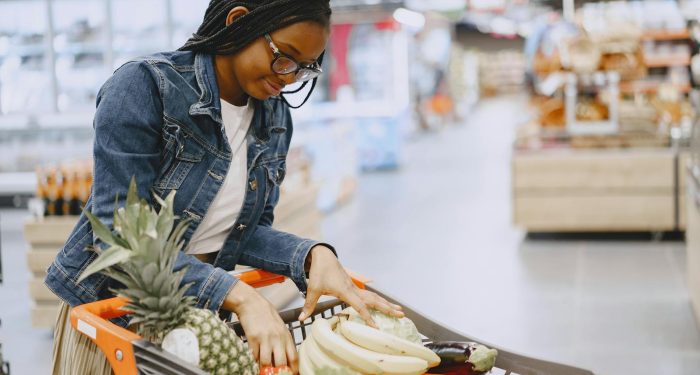
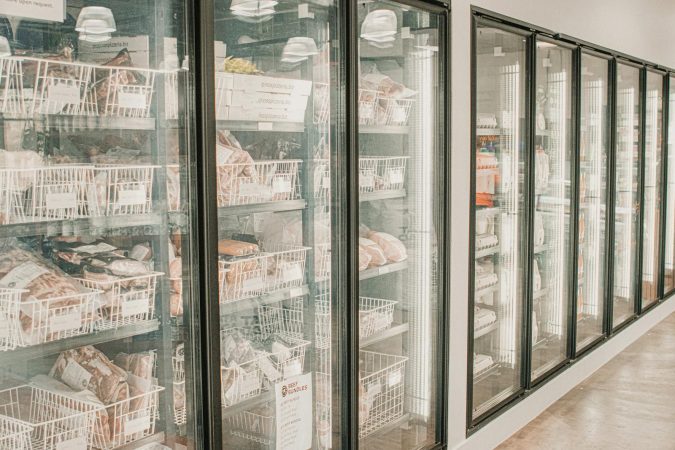
Walk into a mid-tier grocery store today and you'll notice it. The plant-based meat section that once commanded a full freezer door, maybe two, has contracted. Some stores have folded those products back into the general frozen section rather than giving them dedicated real estate. This shift isn't anecdotal. Food Navigator reported that plant-based meat is in what industry analysts are calling a "reset," with retailers recalibrating how much shelf space the category deserves based on actual velocity rather than projected potential.
The reasons stack up. Price remains a persistent barrier. When grocery costs are climbing across the board (NBC News tracked how food prices have shifted since early 2025), asking shoppers to pay a premium for a plant-based patty that doesn't quite taste like the thing it's imitating becomes a harder sell. We've covered how economic realities differ wildly depending on where you shop. A $7.99 pack of Beyond sausages lands differently in a Whole Foods basket than it does at a Walmart checkout.
Repeat purchase rates have been the real killer. Plenty of people tried plant-based burgers once. Fewer came back. Industry strategies are now pivoting toward health messaging as a way to rebuild that loyalty, but the damage to shelf space has already been done.
Why dairy alternatives keep growing
Plant-based dairy operates on a completely different logic. And understanding that logic explains why grocery managers are giving it more room, not less.
Start with the simplest thing: taste expectation. When you pour oat milk into coffee, you're not trying to replicate the experience of drinking a glass of whole milk. You're looking for something creamy that froths well and doesn't curdle. The gap between expectation and delivery is narrow. Plant-based meat faces the opposite problem. The whole pitch is that it tastes "just like" beef, pork, or chicken. Every bite is measured against a deeply familiar reference point, and every shortfall registers as a failure.
Then there's the functional diversity. Plant-based dairy has branched into dozens of micro-categories: barista blends, protein-enriched yogurts, cream cheese with chive, ice cream in thirty flavors, butter that actually browns in a pan. Each one solves a specific kitchen problem. Plant-based meat, by contrast, has largely stayed in the burger-sausage-nugget lane, which limits how often it shows up in someone's weekly rotation.
Lactose intolerance plays a quieter but enormous role. A significant portion of the global population has some degree of lactose malabsorption. For those shoppers, oat milk and coconut yogurt aren't lifestyle choices. They're practical solutions. Plant-based meat doesn't have an equivalent physiological driver pushing people away from the conventional product.
The identity problem plant-based meat can't shake
Here's something I think about when I'm wandering the aisles at the co-op near my apartment in Brooklyn. Plant-based dairy has largely escaped the culture war. Nobody gets into an argument at a barbecue because someone brought almond creamer. Oat milk exists in the same neutral social space as sparkling water or sourdough bread.
Plant-based meat never got that luxury. From the beginning, it was positioned as a direct challenge to conventional meat, which turned it into a proxy for larger identity battles: rural vs. urban, traditional vs. progressive, real food vs. processed food. State legislators have introduced bills attempting to restrict labeling of plant-based products. Industry groups have run campaigns questioning plant-based alternatives. The product became a symbol before most people had even tasted it.
That cultural baggage matters at the grocery shelf. The Guardian examined whether the UK's enthusiasm for meat-free products was fading, finding that the conversation had shifted from excitement to skepticism. The products haven't necessarily gotten worse. The story around them changed.
Gen Z continues to drive demand for plant-based options more broadly, but even younger consumers seem to gravitate toward dairy alternatives and whole-food proteins over the hyper-processed meat analogs that dominated the last decade.
What's actually replacing plant-based meat on shelves
The shelf space freed up by shrinking plant-based meat sections isn't going empty. Some of it goes to expanded dairy alternatives, yes. But a significant portion is being filled by a third category that doesn't get nearly enough attention: minimally processed plant proteins.
Think seasoned tofu, marinated tempeh, flavored bean patties, grain-and-vegetable burgers that don't pretend to be beef. Industry observers suggest 2026 could see a real boom in these bean-based and legume-forward products. They're cheaper to produce, simpler to label, and they sidestep the "ultra-processed" criticism that has dogged products with thirty-ingredient lists.
I find this genuinely exciting. Growing up between São Paulo and Miami, I ate black beans almost every day of my childhood. My family never thought of beans as a meat substitute. They were just food, central to the plate, seasoned with garlic and bay leaf, served over rice. The idea that the American market might be circling back to something that simple feels less like a trend and more like a correction.
The reset, not the funeral
None of this means plant-based meat is finished. FoodNavigator projected that the category would evolve rather than disappear, with companies focusing on fewer, better products and more competitive pricing. The spray-and-pray era of launching twelve SKUs and hoping three stick is over. What's coming next looks leaner and more strategic.
Some brands won't survive that transition. We've watched Beyond Meat's stock crater 95% from its peak, a trajectory that says more about market overvaluation than it does about whether plant-based burgers have a future. The companies that come through the other side will likely be the ones that stop trying to convert committed meat eaters and start serving the much larger group of people who already eat less meat and just want convenient, affordable options for their regular rotation.
Market data suggests the broader plant-based sector is evolving, not dying. The dollars are just moving, flowing away from products that over-promised on mimicry and toward products that deliver on taste, price, and everyday utility.
What this means for how you shop
If you're standing in a grocery store wondering why the plant-based section looks different than it did two years ago, the short answer is: stores got smarter about what actually sells. The longer answer involves price sensitivity, cultural positioning, taste expectations, and the simple fact that swapping your milk is easier than swapping your burger.
The expansion of plant-based dairy is a genuine success story, one driven by products that work well, price reasonably, and fit into people's lives without requiring a philosophical commitment. The contraction of plant-based meat is a market correction, not a moral failure.
Both of these things can be true at the same time. Progress in this space was never going to be a straight line. Grocery shelves reflect what people actually buy, week after week, and right now, people are buying a lot of oat milk and a lot less Impossible sausage. That's not the end of anything. It's information.
The most useful thing you can do with that information is pay attention to what's showing up in the gaps: the tempeh, the seasoned beans, the products that don't need a press release to earn a spot in your cart. The plant-based aisle is getting less flashy and more functional. From where I'm standing, that looks like maturity.