Create Wellness raised $20M to expand its vegan creatine gummies and powders as the supplement sheds its gym-bro reputation, with women now making up 20–30% of buyers and GLP-1 users driving new demand.

Add VegOut to your Google News feed. 
Creatine just raised $20 million, and the money isn't coming from a sports nutrition company. As Green Queen reports, New York-based Create Wellness closed a Series B round led by Alliance Consumer Growth, with participation from Mike Repole's Impact Capital and existing backer Unilever Ventures. The capital will fund distribution expansion, new product formats, and a push to reposition creatine as a daily wellness staple — not a gym-bag afterthought. It's a playbook with direct lessons for any category — including plant-based — where consumer adoption stalls not on efficacy but on approachability.
The conventional wisdom still associates creatine with bodybuilders and protein-shake culture. But the market has already moved past that framing. Women now represent a growing share of creatine buyers, up from 18% in 2020 at GNC. Online interest in the ingredient has surged 78.6% year-over-year in 2025, according to NIQ and Spate data. That kind of search momentum translates directly to shelf velocity — creatine has become one of the fastest-growing supplement ingredients in US retail this year.
That's not a fitness trend. That's a category transformation — and the same kind of transformation the plant-based sector has been chasing for years.
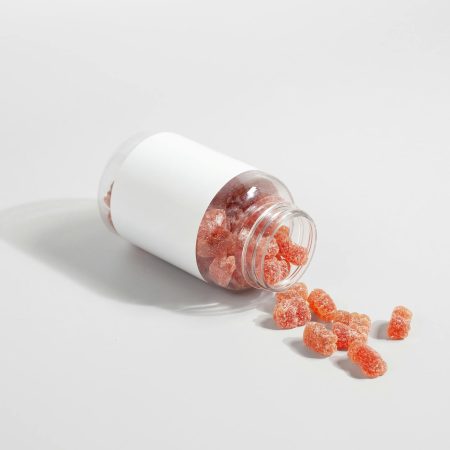
Create Wellness is betting big on accessible formats — vegan gummies made with pectin and tapioca syrup, plus a new Creatine + Electrolyte powder line rolling out at Target, Amazon, and on the brand's own site. According to Green Queen, Create's gummies have performed well at retailers including Target and Sprouts. The format choice is strategic: gummies lower the intimidation barrier the same way plant-based burgers lowered the barrier to meat reduction. You don't need to change your identity to try one.
The company indicated the investment reflects growing interest in creatine as a wellness product. Repole, whose family office participated in the round, expressed support for how the brand is connecting with wellness-driven consumers.
Two demographic shifts are fueling this growth. Women are increasingly exploring creatine for recovery, bone support, and strength — driven partly by rising weight-training adoption and emerging research on creatine's role in managing menopause symptoms. Research suggests female participants may see notable increases in exercise performance when supplementing with creatine. Meanwhile, the GLP-1 boom is creating an unexpected downstream market. The share of Americans using GLP-1 drugs has increased substantially, with many more planning to adopt the medications. Users of those drugs may experience significant decreases in muscle mass — a side effect that makes creatine's muscle-retention properties especially relevant. In both cases, the ingredient isn't new. The consumer is.
The counterargument worth considering: creatine is well-researched, but the supplement industry's track record on overpromising is long. Whether brands like Create can maintain credibility as they market to entirely new consumer segments — menopause wellness, cognitive health, anti-aging — will depend on how carefully they navigate health claims.
What makes this story relevant beyond the supplement aisle is what it reveals about how wellness categories actually break through. Creatine isn't new science. The ingredient has decades of research behind it. What changed is the format (gummies instead of powder scoops), the audience (women and older adults instead of just athletes), and the distribution (Target shelves instead of GNC back walls). That's exactly where the plant-based industry keeps getting stuck. The science on plant protein is sound. The environmental case is well-documented. But too many brands still lead with ideology or niche positioning when the real unlock — as Create Wellness is demonstrating with creatine — is making the proven thing easier, more familiar, and less identity-laden. Create didn't reinvent the molecule. They reinvented who it was for and how it showed up. That's not a supplement insight. It's a go-to-market lesson the plant-based sector can't afford to keep ignoring.
If You Were a Healing Herb, Which Would You Be?
Each herb holds a unique kind of magic — soothing, awakening, grounding, or clarifying.
This 9-question quiz reveals the healing plant that mirrors your energy right now and what it says about your natural rhythm.
✨ Instant results. Deeply insightful.

Jordan Cooper
Jordan Cooper is a pop-culture writer and vegan-snack reviewer with roots in music blogging. Known for approachable, insightful prose, Jordan connects modern trends—from K-pop choreography to kombucha fermentation—with thoughtful food commentary. In his downtime, he enjoys photography, experimenting with fermentation recipes, and discovering new indie music playlists.
More Articles by Jordan