Soy protein isolate supported the same gains in muscle size and strength as whey protein isolate across 12 weeks of supervised resistance training, provided total protein intake reached 1.6 grams per kilogram of body weight per day. That is the headline result of a controlled trial run in Brazil with untrained young men.
The study, Hevia-Larrain et al., published in Sports Medicine in June 2021, was carried out at the University of São Paulo. It compared 19 habitual vegans using supplemental soy protein isolate with 19 habitual omnivores using supplemental whey protein isolate. No measured outcome differed between the two groups, with all comparisons returning p values above 0.05.
How the São Paulo trial was set up
The work came from the Applied Physiology and Nutrition Research Group at the University of São Paulo. Researchers recruited 38 healthy, physically active men who had no resistance training history.
The two groups were closely matched at baseline. The vegan group averaged 26 years of age (SD 5), 72.7 kg (SD 7.1) and 1.75 m (SD 0.07). The omnivore group averaged 26 years (SD 4), 73.3 kg (SD 7.8) and 1.74 m (SD 0.06).
Habitual protein intake was assessed first, then topped up to 1.6 g/kg/day with soy protein isolate in the vegan group and whey protein isolate in the omnivore group. Supplemental doses were split across the day alongside meals. For reference, that target is double the widely cited 0.8 grams per kilogram protein RDA.
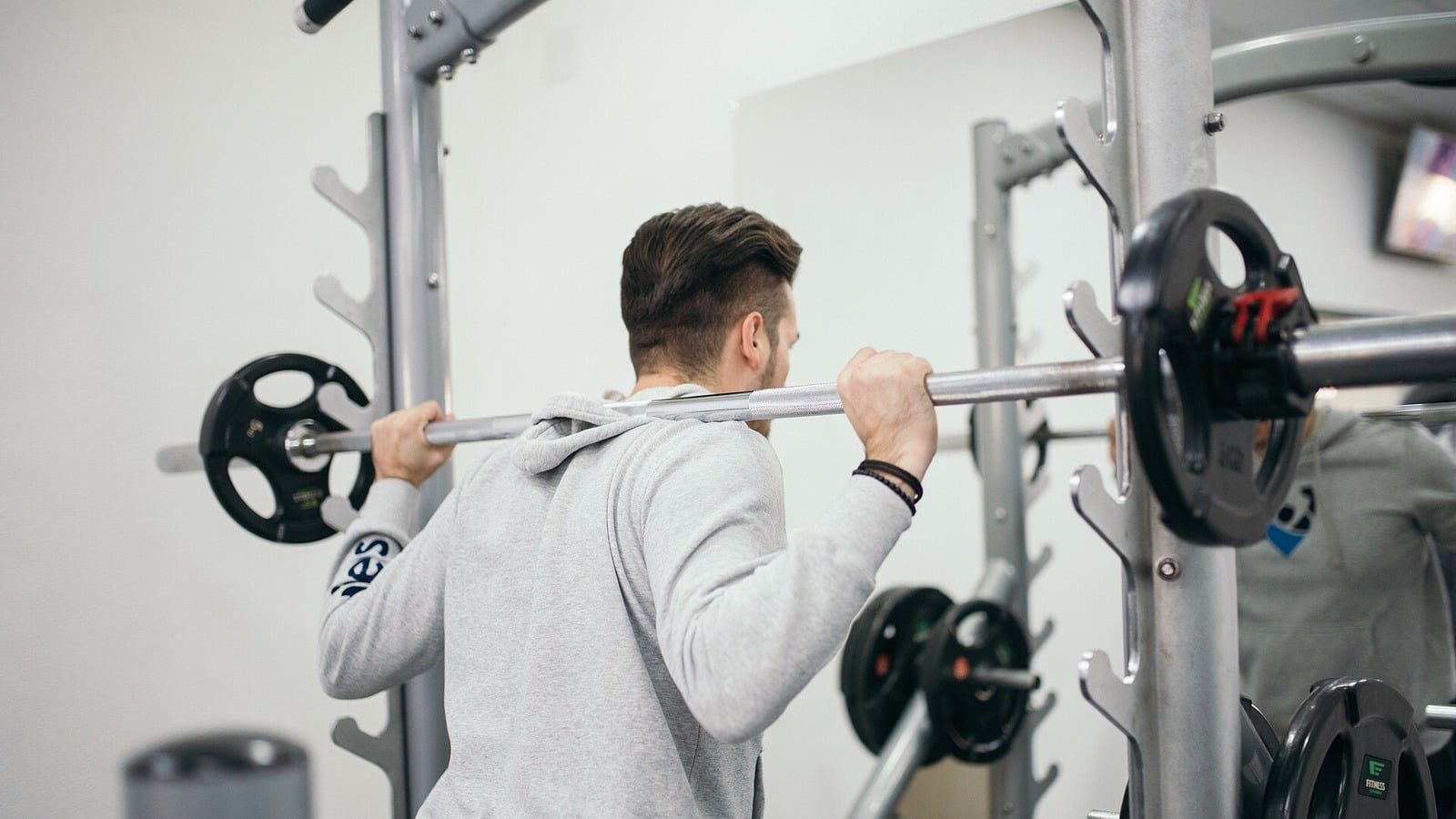
Training ran for 12 weeks, twice per week, under supervision. Measurements were taken at baseline and again at week 12 using DXA for leg lean mass, ultrasound for whole-muscle cross-sectional area of the rectus femoris and the vastus lateralis, muscle biopsy for vastus lateralis fiber cross-sectional area, and a leg-press 1-repetition maximum test for strength.
What changed after 12 weeks
Both groups improved on every outcome. The soy and whey figures tracked each other closely.
- Leg lean mass: +1.2 kg (SD 1.0) with soy versus +1.2 kg (SD 0.8) with whey.
- Rectus femoris CSA: +1.0 cm2 (SD 0.6) with soy versus +0.9 cm2 (SD 0.5) with whey.
- Vastus lateralis CSA: +2.2 cm2 (SD 1.1) with soy versus +2.8 cm2 (SD 1.0) with whey.
- Muscle fiber CSA: increased similarly in both groups.
- Leg-press 1RM: +97 kg (SD 38) with soy versus +117 kg (SD 35) with whey.
The 20 kg gap in leg-press strength and the 0.6 cm2 gap in vastus lateralis area look like differences on paper. Statistically they were not. The paper reports no significant between-group differences for any variable, with all p values above 0.05.
The caveats are specific. These were healthy, untrained young men eating 1.6 g/kg/day of total daily protein, with isolated soy or isolated whey used as the top-up. The result does not automatically transfer to women, older adults, experienced lifters or anyone eating well below that protein target.
What the trial does address is a common assumption about protein quality, namely that a plant protein supplement is the weaker choice for building muscle. Across 12 weeks at a matched daily intake, that assumption did not show up in lean mass, muscle size or 1RM strength.
The broader plant versus animal protein picture
The VegOut video embedded above focuses on a different question. It compares plant and animal protein sources on general health markers instead of measuring muscle hypertrophy or strength, and none of its talking points were outcomes in the São Paulo trial.
Topics covered there include:
- Fiber and antioxidant intake that travels with whole plant protein foods
- IGF-1 signaling
- TMAO production
- Saturated fat intake and inflammation markers
Those measures speak to long-term health questions, not to hypertrophy over 12 weeks. Readers comparing the two should treat them as separate questions with separate evidence.
The supplement market is also shifting underneath the debate. Whey protein can now be produced without a cow through precision fermentation, which changes where the protein comes from for anyone avoiding animal products.
For anyone lifting on a plant-based diet, the practical takeaway from Hevia-Larrain et al. is the number on the daily protein target, not the label on the tub. The vegan group in São Paulo hit 1.6 g/kg/day and gained the same leg lean mass as the whey group over the same 12 weeks of supervised training.
Another look at what vegans may be missing is the study of vitamin B12 in British vegan men.