Most people avoid strong, strange, or slippery flavors because they’re wired to trust what’s familiar, but familiarity is trainable.
If your idea of comfort food includes ingredients most people side-eye, you’re my kind of eater.
I spent my twenties in luxury F&B learning how to treat flavor with respect, whether it came from a white-tablecloth tasting menu or a smoky street stall.
Over time I learned something obvious that we tend to forget: your palate is a muscle.
It gets stronger with reps; the more deliberately you taste, the more you notice, the more you enjoy.
Today I want to talk about eight polarizing foods that tend to split a room right down the middle.
If you already love them, you’re not just adventurous—you’ve trained your palate in ways that pay dividends far beyond dinner:
1) Natto
What’s sticky, stringy, and smells like a locker room if you left the door closed too long? Natto—fermented soybeans—scares people before it even gets to the table.
The first time I had it was at a business hotel in Tokyo: A colleague grinned as I stirred the packet ninety times (yes, that’s a thing) until the beans went glossy and webby, then tucked it over hot rice with a crack of mustard.
One bite and I understood why it’s a breakfast staple there.
Natto is unapologetically funky, but it’s also nutty, savory, and oddly comforting once your brain catches up.
Think of it like blue cheese’s plant-based cousin: A little chaotic on the nose, incredibly rewarding on the palate.
If you want to like it, change the context: Pair natto with familiar textures and aromatics—warm rice, chopped scallions, toasted nori—then add a splash of tamari and a dab of karashi mustard to brighten it, and take three bites before you decide.
Most foods with a strong aroma mellow after your senses calibrate.
Beyond taste, loving natto is an exercise in tolerance for ambiguity. That mindset travels well into the rest of life.
2) Durian
Durian is polarizing in a way few ingredients are.
You’ll see “No Durian” signs in Southeast Asian hotels because the aroma clings like a memory.
The first time I cracked one open on a humid night market run in Kuala Lumpur, the vendor called it “the king of fruits” and handed me a custardy pod.
The smell said onion-almond-vanilla-gas station, but the taste said crème brûlée with a hint of garlic.
I went back for seconds.
Here’s how to get into it without scaring yourself off: Start with a small piece of a good variety, eat it slightly chilled, and pair it with something crisp and clean—unsweetened iced tea works wonders.
Let the texture be what it is: buttery, pillowy, decadent.
You’re not chewing so much as letting it melt.
Durian is a reminder that great flavor often lives past our comfort perimeter.
If you can love a fruit this divisive, you’re already better at separating signal from noise in other parts of your life—work, relationships, all of it.
3) Stinky tofu
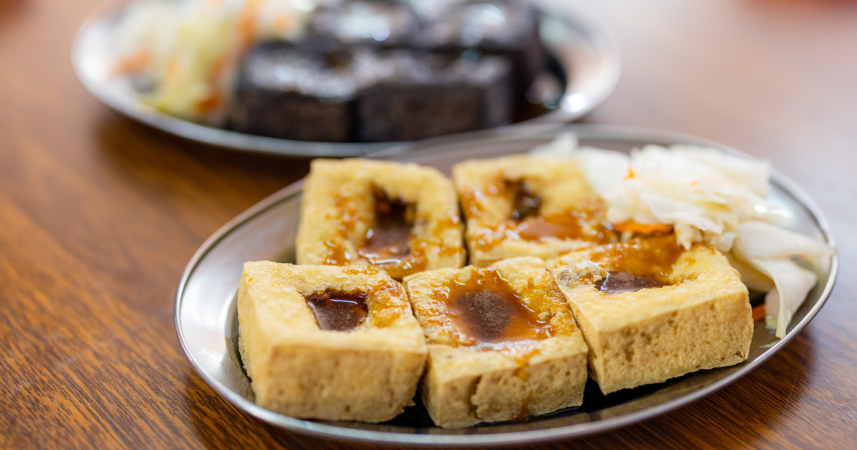
I tasted stinky tofu at a night market in Taipei where the air was basically an aromatic obstacle course.
This deep-fried square of fermented tofu arrived with pickled cabbage and a chili-garlic dip.
The smell? Barnyard.
The bite? Crispy shell, custard center, clean finish.
The dissonance is the point.
If your brain says no, break it into steps: Eat the pickle first to prime your palate with acid, then dunk the tofu aggressively in the sauce.
Textural contrast is your friend here; the crunch leads, the funk follows.
If you can find a version braised in a spicy broth instead of fried, try that too—the heat softens the edges.
What I love about stinky tofu is the humility it teaches, that not every good thing looks or smells like a hero.
Some of the best experiences require a little faith and a lot of open-minded chewing.
4) Huitlacoche
I was in Oaxaca when someone insisted I try huitlacoche—corn smut—folded into a hand-pressed tortilla with a sprinkle of salt and epazote.
It’s earthy, inky, and delicately sweet, like mushrooms meeting roasted corn in a back alley.
If you’re curious, look for it in tacos or quesadillas first.
The tortilla grounds the flavor, the heat coaxes out its natural sweetness, and even skeptics tend to nod after a few bites.
If you’re cooking at home, sauté it with onion and garlic, finish with lime, then spoon over rice or polenta.
Enjoying huitlacoche is a tiny masterclass in reframing; we label it a “blight,” yet it tastes like luxury.
That same mindset shift—finding value where others see flaws—translates beautifully to creative work and problem-solving.
5) Bitter melon
Bitter melon is exactly what it sounds like, and that honesty is part of its beauty.
I grew up taught to chase sweetness because bitter flavors took longer to love.
Now I order them on purpose because they wake me up.
In a stir-fry with garlic and black bean, bitter melon feels like a palate reset button because it’s bracing, herbal, and fascinating.
To make friends with it, slice it thin, salt it, and rinse to temper the bite; pair with assertive flavors—ginger, garlic, fermented black beans—and something fatty like tofu or avocado to round the edges.
I also like it in a bright, brothy soup with tomatoes as the acidity plays referee.
Bitter is the flavor of grown-up resilience. You learn to appreciate it the same way you learn to handle tough days—by leaning in, breathing through, and letting the complexity show you something new.
6) Marmite and Vegemite
If you grew up with these yeast extracts, you probably love them; if you didn’t, your first spoonful might feel like a prank.
I didn’t understand the appeal until a chef friend handed me toast spread with an almost imperceptible layer of Marmite, topped with avocado and lemon.
It tasted like someone turned up the umami on the entire dish.
The key is dosage—we’re talking whisper-thin, not peanut butter thick.
Treat it like liquid seasoning in solid form, stir a pea-sized amount into vegan gravy, blend it into a mushroom soup, or spread a smidge on toast under tomatoes.
Suddenly everything tastes more savory, more alive.
What’s powerful here is how small inputs drive big outputs.
A little intentionality—a brush of a thing most people dismiss—can transform the whole.
7) Kombucha SCOBY
You’ve probably sipped kombucha.
Eating the SCOBY—the rubbery symbiotic culture that ferments the tea—sounds like a dare.
I thought so too until someone sliced a SCOBY into ribbons, marinated them with soy, ginger, and sesame, and flashed them in a hot pan.
The result tasted like citrusy noodles with a faint apple-cider twang.
If you’re SCOBY-curious, start with texture by cutting it thin.
Give it a role: Jerky, “noodles,” or a minced addition to dumpling filling.
Acid and aromatics are essential—lime, garlic, chili, scallion.
The SCOBY is a canvas more than a soloist; your seasonings paint the picture.
Loving this one is peak food-nerd energy, and I respect that; it’s also a reminder that most “waste” in our lives is a failure of imagination.
With a little creativity, byproducts become products.
8) Nopales
Finally, let’s talk nopales—cactus paddles—one of the most versatile ingredients I’ve learned to cook with.
People get nervous about the slime, but if you blanch or dry-sear them properly, you get a tender, bright, slightly tangy vegetable that plays well in salsas, scrambled tofu, tacos, and salads.
I like them grilled hard, sliced into strips, and finished with lime and cilantro.
If prep is the barrier, here’s the move: Buy fresh paddles that are already trimmed, blanch in salted water with a slice of onion for a few minutes, then rinse or go straight to a ripping-hot cast-iron pan and char both sides to keep the texture snappy.
Salt, acid, and fat bring it home—think olive oil, lime juice, a pile of herbs.
Nopales are everyday proof that “unfamiliar” isn’t the same as “unfriendly.”
The bottom line
Most people avoid strong, strange, or slippery flavors because they’re wired to trust what’s familiar, but familiarity is trainable.
The more I’ve worked in food—and the more I’ve paid attention to what’s actually happening on my tongue—the less I’ve used words like “gross” and the more I’ve asked better questions.
What does it remind me of, how does it change with heat, acid, or fat, and what’s the third bite like after my senses settle down?
If you love even a couple of the ingredients on this list, you’ve already done the reps most folks skip.
You’ve built a palate that can hold complexity without flinching. You’ll be better at trying new things, reading nuance, and spotting value where others gloss over it.
Palates grow, curiosity compounds, and weird is just undiscovered.
If You Were a Healing Herb, Which Would You Be?
Each herb holds a unique kind of magic — soothing, awakening, grounding, or clarifying.
This 9-question quiz reveals the healing plant that mirrors your energy right now and what it says about your natural rhythm.
✨ Instant results. Deeply insightful.