If you recognize these foods from your childhood, it doesn’t mean you grew up deprived. It means you grew up in a household that knew how to make things work.

Add VegOut to your Google News feed. 
When I was a kid, I thought some meals were just how families ate.
They felt normal. Familiar. Sometimes even comforting.
It wasn’t until adulthood, and years later working in luxury kitchens and high-end dining rooms, that I realized many of those foods weren’t just family traditions.
They were survival strategies.
Lower-middle-class households have always been masters of quiet creativity. Stretching ingredients. Repurposing leftovers. Turning one dish into three meals without ever calling it “budgeting.”
As kids, we rarely clocked it. We just ate what showed up.
Looking back now, the signs are obvious.
Here are nine foods many families stretched across multiple meals that only made sense once we grew up and saw the numbers behind them.
1) Rotisserie chicken
This bird pulled more weight than anyone gave it credit for.
Night one was the main event. Chicken, maybe some potatoes, maybe frozen veggies.
Night two turned into sandwiches, wraps, or chicken salad mixed with way more mayo than protein.
By night three, the bones were simmering on the stove, becoming soup or broth with a handful of noodles tossed in.
At the time, it felt efficient. Now it reads like a masterclass in maximizing one purchase.
One chicken. Three meals. Zero waste.
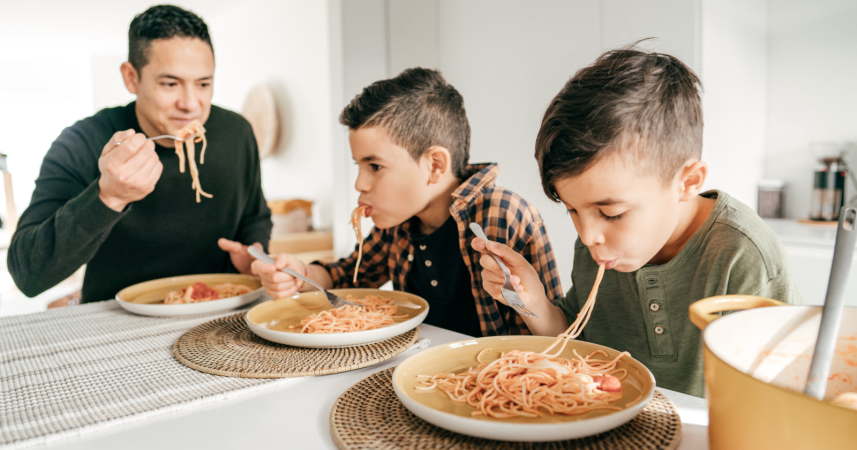
2) Spaghetti with meat sauce
Spaghetti night always felt generous.
Big pot. Full plates. Plenty of leftovers.
What we didn’t realize was how little meat actually went into that sauce. A small amount of ground beef was stretched with tomatoes, onions, garlic, and sometimes even extra water.
The pasta did the heavy lifting.
Leftovers became lunch. Then baked spaghetti. Then maybe spaghetti again because no one wanted to waste it.
It wasn’t just dinner. It was a system.
3) Tuna casserole
This dish showed up when groceries needed to last.
Canned tuna, pasta, cream of something soup, maybe peas if they were around.
It fed a lot of people for very little money and reheated surprisingly well.
Leftovers were almost guaranteed, which meant lunches for days or another dinner when time or cash was tight.
As a kid, it just felt like a standard meal. As an adult, I see how strategic it was.
Protein, carbs, and calories on a budget.
4) Baked potatoes as a meal
When potatoes became the main course, something was happening behind the scenes.
A baked potato is cheap, filling, and endlessly customizable.
A little butter, maybe sour cream, shredded cheese if there was some in the fridge. Sometimes leftover chili or broccoli made it feel fancy.
What mattered was that it filled stomachs without requiring much else.
Leftover potatoes turned into hash the next morning or got sliced and fried later in the week.
Nothing went unused.
5) Breakfast for dinner
This one felt fun at the time.
Pancakes, eggs, toast. Maybe bacon if it was already open.
As kids, we loved it. It felt like a treat.
But eggs and flour are some of the cheapest calorie-dense foods around. Breakfast-for-dinner nights often showed up when groceries were running low or payday hadn’t hit yet.
Leftover pancakes became tomorrow’s breakfast.
Extra eggs became egg salad or scrambled into something else later.
It was comfort disguised as practicality.
6) Chili that lasted forever
Chili had range.
Night one was bowls of it with crackers or bread.
Night two meant chili over rice or pasta.
Night three was chili dogs or chili baked into something else.
A small amount of meat could be stretched with beans, tomatoes, and spices into what felt like an endless supply.
As a kid, I thought chili just naturally appeared in large quantities.
Now I know it was designed that way.
7) Grilled cheese and tomato soup
This combo showed up when dinner needed to be cheap and fast.
Bread, cheese, and canned soup were staples that lasted a long time in the pantry.
Grilled cheese required very little protein to feel satisfying, and soup filled in the gaps.
Leftover soup got reheated. Extra bread got toasted the next morning.
It was warm, filling, and quietly economical.
No one called it frugal. It just worked.
8) Fried rice or “everything rice”
Rice nights were never just rice nights.
They were about using whatever was left in the fridge. A bit of frozen vegetables. Scraps of meat. An egg or two.
Rice stretched everything else.
Leftover rice became fried rice the next day. Or rice pudding. Or something else entirely.
As kids, we thought it was creative cooking.
As adults, we recognize it as resourcefulness born from necessity.
9) Soup made from leftovers
And this is where it all came together.
Soup was the final form of many meals.
Leftover vegetables. Bits of meat. Pasta ends. Rice. Broth made from bones or bouillon cubes.
Everything went into the pot.
It was rarely the same twice, and that was the point.
Soup allowed families to avoid waste while creating something warm and filling from scraps.
Nothing got thrown out unless it truly had nothing left to give.
Final thoughts
Looking back, these meals weren’t sad.
They were smart.
They taught patience, creativity, and respect for food long before we had words for those values.
Working later in high-end kitchens, I saw chefs obsess over reducing waste and maximizing ingredients. Funny enough, my family had been doing that all along without calling it sustainability.
If you recognize these foods from your childhood, it doesn’t mean you grew up deprived.
It means you grew up in a household that knew how to make things work.
And that skill, whether in the kitchen or in life, tends to age pretty well.
If You Were a Healing Herb, Which Would You Be?
Each herb holds a unique kind of magic — soothing, awakening, grounding, or clarifying.
This 9-question quiz reveals the healing plant that mirrors your energy right now and what it says about your natural rhythm.
✨ Instant results. Deeply insightful.

Adam Kelton
Adam Kelton is a writer and culinary professional with deep experience in luxury food and beverage. He began his career in fine-dining restaurants and boutique hotels, training under seasoned chefs and learning classical European technique, menu development, and service precision. He later managed small kitchen teams, coordinated wine programs, and designed seasonal tasting menus that balanced creativity with consistency.
After more than a decade in hospitality, Adam transitioned into private-chef work and food consulting. His clients have included executives, wellness retreats, and lifestyle brands looking to develop flavor-forward, plant-focused menus. He has also advised on recipe testing, product launches, and brand storytelling for food and beverage startups.
At VegOut, Adam brings this experience to his writing on personal development, entrepreneurship, relationships, and food culture. He connects lessons from the kitchen with principles of growth, discipline, and self-mastery.
Outside of work, Adam enjoys strength training, exploring food scenes around the world, and reading nonfiction about psychology, leadership, and creativity. He believes that excellence in cooking and in life comes from attention to detail, curiosity, and consistent practice.
More Articles by Adam