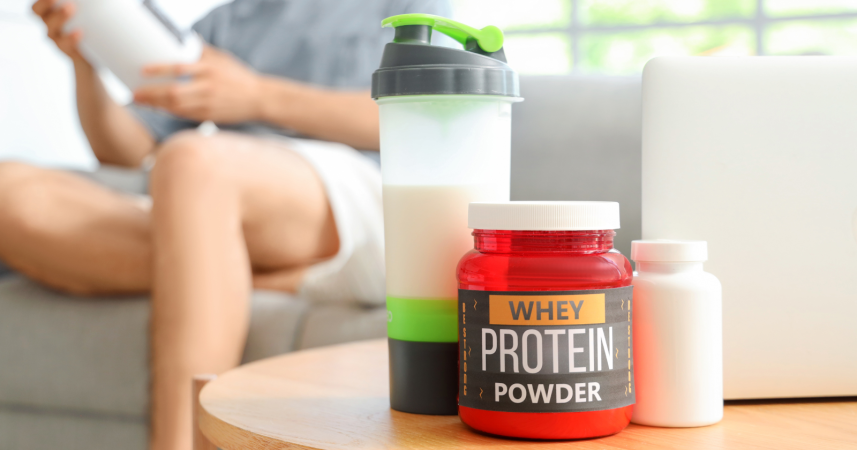
After sampling 14 different vegan protein powders from my gym's smoothie bar, I discovered that the industry has a serious quality control problem.

Add VegOut to your Google News feed. 
My gym has one of those smoothie bars where they line up protein powders like trophies behind the counter. Fourteen different vegan options, all promising gains, recovery, and something called "plant-powered performance."
I decided to try every single one over the course of a month. What I learned is that the vegan protein powder market has grown faster than its quality standards.
Some of these powders are genuinely excellent. Others taste like someone blended cardboard with artificial sweetener and called it innovation. The gap between the best and worst is enormous, and the price tags don't always tell you which is which. So let me save you some money and stomach discomfort.
1. The texture problem nobody talks about
Here's something the marketing never mentions: plant proteins behave differently in liquid than whey. Some of these powders turned my post-workout shake into something resembling wet cement. Others separated into layers like a failed science experiment within minutes of blending.
The culprit is usually pea protein isolate when it's not processed correctly. Good brands have figured out how to make it smooth. Budget brands apparently haven't gotten the memo. One powder I tried required a full two minutes in a commercial blender just to become drinkable.
That's not a protein supplement. That's a chore.
If you're shopping, look for brands that specifically mention "smooth blend" technology or use a combination of proteins. Single-source pea protein is often the grittiest offender.
2. The sweetener situation is out of control
I counted seven different sweeteners across these fourteen powders. Stevia, monk fruit, erythritol, xylitol, coconut sugar, and combinations I'd never seen before. The problem is that many brands overcorrect for plant protein's naturally earthy taste by dumping in sweetness.
One chocolate powder tasted like someone melted a candy bar into it. Another "vanilla" option was so aggressively sweet it made my teeth hurt. Research suggests that artificial sweeteners can affect gut microbiome composition, which matters if you're consuming these daily.
The best powders I tried had subtle sweetness that let the actual flavor come through. You shouldn't need to add fruit just to balance out your protein shake.
3. Protein content claims need a reality check
"25 grams of protein per serving" sounds great until you realize the serving size is two massive scoops that barely fit in a normal shaker bottle. Some brands play games with their numbers to look competitive on the label.
I started calculating protein per actual tablespoon, and the results were revealing. A few budget options that seemed like good deals actually delivered less protein per dollar than premium brands with smaller serving sizes. The math matters here.
Also worth noting: not all plant proteins have complete amino acid profiles. The best formulas combine sources like pea, rice, and hemp to cover all nine essential amino acids. Single-source powders might leave gaps in your nutrition without you realizing it.
4. The ones that actually worked
Out of fourteen powders, I'd genuinely recommend maybe four. They shared some common traits: transparent ingredient lists, protein from multiple plant sources, minimal sweeteners, and textures that didn't require industrial equipment to achieve.
Price wasn't always the indicator I expected. One mid-range option outperformed several premium brands. The key seemed to be companies that specialized in plant-based products rather than traditional supplement brands adding a vegan line as an afterthought.
I also noticed that powders with added digestive enzymes mixed better and caused less bloating. That's not a coincidence. Plant proteins can be harder to digest, and good brands account for this.
5. What the industry needs to fix
The vegan protein market is projected to keep growing as more people reduce animal products. But growth without quality improvement is how you get fourteen mediocre options instead of five excellent ones.
Brands need to stop hiding behind "natural flavors" as a catch-all ingredient. They need to be honest about texture limitations and work harder to solve them. And they need to stop assuming that vegan consumers will accept inferior products just because the alternatives are limited.
The good news is that competition is pushing innovation. The best powders I tried were genuinely impressive. The bad news is that you might buy three terrible ones before finding them.
Final thoughts
My month of protein powder testing taught me that this market is still maturing. The technology exists to make excellent vegan protein supplements. Some companies have figured it out. Others are still selling products that taste like punishment for caring about animals or the environment.
My advice: read reviews obsessively, check the amino acid profile, and don't trust any powder that lists more than three sweeteners. Your taste buds and your digestive system will thank you.
And maybe skip the gym smoothie bar until they curate their selection a bit better. Not everything deserves shelf space just because it exists.
What’s Your Plant-Powered Archetype?
Ever wonder what your everyday habits say about your deeper purpose—and how they ripple out to impact the planet?
This 90-second quiz reveals the plant-powered role you’re here to play, and the tiny shift that makes it even more powerful.
12 fun questions. Instant results. Surprisingly accurate.