The vegan products you gave up on half a decade ago have quietly become legitimately delicious.

Add VegOut to your Google News feed. 
Let's be honest about where we were in 2019. Vegan cheese still had that unmistakable plastic quality. Plant-based burgers were hockey pucks with good intentions. And vegan ice cream? It tasted like frozen regret with a hint of coconut.
But something remarkable happened while we weren't paying attention. Food scientists got serious. Investment money poured in. And companies finally stopped trying to convince us that mediocre products were "just as good." Instead, they went back to the lab and actually made them good.
The plant-based food industry has seen unprecedented innovation in texture, flavor, and overall eating experience. If you wrote off certain vegan products years ago, it might be time for a second date. Here are eight categories that have genuinely earned redemption.
1. Vegan cream cheese
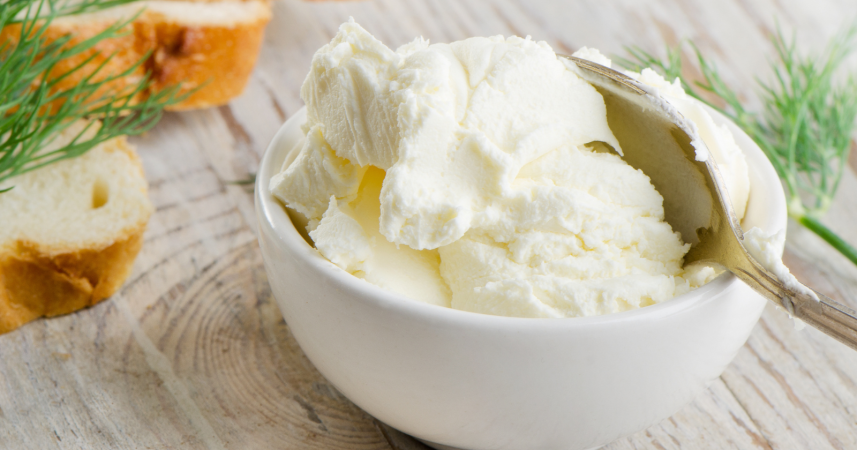
Remember when vegan cream cheese was basically solidified disappointment? It wouldn't spread properly, had a weird tang, and melted into something resembling craft glue when heated. Bagel shops would look at you with pity when you asked for it.
The transformation here has been dramatic. Brands like Violife, Kite Hill, and Miyoko's have cracked the code on that crucial cream cheese texture. The spreadability is finally there. The tang is balanced rather than aggressive.
And most importantly, it actually tastes like something you'd want on your morning bagel rather than something you're tolerating for ethical reasons.
The secret seems to be better fermentation processes and smarter fat combinations. These products now behave like dairy cream cheese because companies studied what makes the original work and reverse-engineered it properly.
2. Plant-based ground beef
Early plant-based ground beef was essentially seasoned cardboard with food coloring. It crumbled wrong, browned wrong, and had a texture that screamed "I am not meat" with every bite. Tacos made with it felt like a compromise at best.
Now we have options that actually caramelize in a pan. Impossible and Beyond have refined their formulas significantly since their early days. But the real surprise is store brands and smaller companies catching up. Trader Joe's, Lightlife, and others have ground products that work beautifully in bolognese, chili, and taco filling.
The key improvement is fat distribution. Modern versions have fats that render during cooking, creating that satisfying sizzle and browning that makes ground beef dishes work. Your weeknight tacos no longer require an apology.
3. Vegan butter for baking
Vegan butter used to be the enemy of baked goods. Cookies spread too thin. Pie crusts turned out tough. Buttercream frosting had an oily film that no amount of powdered sugar could hide. Bakers learned to work around these limitations rather than expecting actual performance.
Miyoko's and Violife have changed the game completely. These butters cream properly, creating the air pockets that make cakes fluffy. They hold up in laminated doughs for croissants. And they make pie crusts that shatter the way they should.
The science here involves getting the water-to-fat ratio right and using fats that behave similarly to dairy butter at various temperatures. When I finally made a vegan pie crust that my partner couldn't distinguish from dairy, I knew the revolution was real.
4. Oat milk
Five years ago, oat milk existed but it was thin, gritty, and separated in coffee like a bad relationship. Baristas dreaded seeing it requested because it refused to foam properly. The flavor was fine, but the performance was embarrassing.
Oatly's barista edition changed everything, and competitors quickly followed. Modern oat milk steams beautifully, creates legitimate latte art, and has a creamy mouthfeel that rivals dairy. The grittiness is gone, replaced by smooth consistency that works in everything from cereal to béchamel sauce.
The improvement came from better enzyme treatments that break down the oats more completely and emulsifiers that keep everything stable. Oat milk went from "acceptable alternative" to many people's genuine preference, even among non-vegans.
5. Vegan jerky
Plant-based jerky in 2019 was mostly sad mushroom strips or soy curls with too much liquid smoke. The texture was either too soft or impossibly chewy. It satisfied neither the craving for jerky nor the basic desire for a tasty snack.
Louisville Vegan Jerky and Primal Spirit have figured out how to nail that perfect tear. The chew is satisfying without being exhausting.
Flavors have gotten more sophisticated, moving beyond generic "teriyaki" and "peppered" into actually interesting territory. Some versions use konjac or seitan bases that mimic the fibrous quality of meat jerky remarkably well.
These products now work as legitimate road trip snacks and hiking fuel. They're high in protein, shelf-stable, and genuinely enjoyable rather than something you eat while pretending it's good.
6. Vegan mayo
Early vegan mayo was either too sweet, too tangy, or had a texture like slightly thickened water. It broke when you tried to make aioli. Potato salad made with it tasted off. Sandwiches suffered silently.
Sir Kensington's Fabanaise and Hellmann's vegan version have achieved what seemed impossible: mayo that passes blind taste tests. The emulsification is stable. The richness is there. It works in every application where you'd use traditional mayo, from deviled eggs to coleslaw.
Aquafaba, the liquid from canned chickpeas, turned out to be the secret weapon. It emulsifies beautifully and provides that characteristic mayo body without any off-flavors. This is one category where vegan versions have arguably surpassed the original for many people.
7. Frozen vegan pizza
Frozen vegan pizza used to be a cruel joke. The cheese wouldn't melt, just sort of warming up while remaining distinctly un-melted. The crust was either cardboard or weirdly sweet. You ate it because you wanted pizza and had no other options, not because it was good.
Amy's, Daiya, and several newer brands have transformed this category. The cheese now stretches and browns. Crusts have improved dramatically across the board. And specialty options with cashew-based cheese or creative toppings have elevated frozen vegan pizza from "emergency food" to "actually choosing this."
The meltability breakthrough came from better fat combinations and starches that create stretch without the rubberiness of early attempts. Friday night frozen pizza is finally a legitimate option again.
8. Vegan protein bars
Plant-based protein bars five years ago were chalky, dense, and left an aftertaste that lingered like an unwanted guest. The texture ranged from "compressed sawdust" to "suspiciously sticky." Getting adequate protein meant suffering through the experience.
GoMacro, No Cow, and others have created bars that actually taste like treats. The protein sources have diversified beyond just soy, incorporating pea, brown rice, and other proteins that blend more smoothly. Textures now range from chewy to crispy, and flavors taste like actual desserts rather than supplements pretending to be food.
The improvement reflects broader advances in plant protein processing. Better isolation techniques mean less of the bitter compounds that made early bars taste like penance. These are now snacks you might actually look forward to eating.
Final thoughts
The vegan product landscape of 2024 would be unrecognizable to someone who gave up on plant-based alternatives in 2019. What changed wasn't just recipes. It was a fundamental shift in approach. Companies stopped asking consumers to accept "good enough" and started competing on actual quality.
This matters beyond just having tastier options. Better products make veganism more accessible and sustainable long-term. When the food is genuinely good, the lifestyle becomes easier to maintain. You're not relying on willpower alone.
If you abandoned certain products years ago, consider giving them another chance. The version you remember probably doesn't exist anymore. In its place is something that food scientists, chefs, and determined companies have refined into products that earn their place in your kitchen on merit.
The vegan food revolution didn't happen overnight, but it definitely happened.
If You Were a Healing Herb, Which Would You Be?
Each herb holds a unique kind of magic — soothing, awakening, grounding, or clarifying.
This 9-question quiz reveals the healing plant that mirrors your energy right now and what it says about your natural rhythm.
✨ Instant results. Deeply insightful.

Jordan Cooper
Jordan Cooper is a pop-culture writer and vegan-snack reviewer with roots in music blogging. Known for approachable, insightful prose, Jordan connects modern trends—from K-pop choreography to kombucha fermentation—with thoughtful food commentary. In his downtime, he enjoys photography, experimenting with fermentation recipes, and discovering new indie music playlists.
More Articles by Jordan