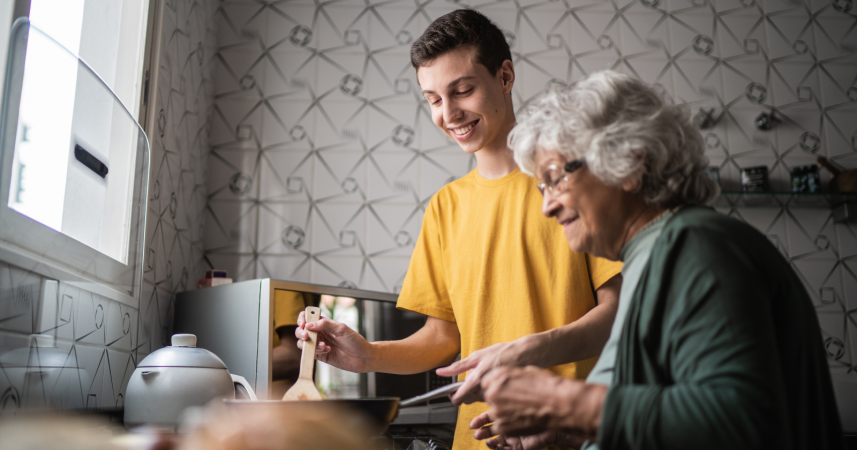
The best vegetable wisdom I've ever received came from someone who thought tofu was a cleaning product.

Add VegOut to your Google News feed. 
My grandmother cooked vegetables in bacon fat, served them alongside roasts, and once asked me if "vegan" was a type of religion. She never understood my lifestyle shift eight years ago.
But here's the thing: she could make a plate of green beans taste like the most exciting thing you'd eat all week.
Somewhere along the way, plant-based cooking got obsessed with innovation. Cashew cream this, nutritional yeast that, aquafaba everything. And look, I love all of it. But we skipped over some fundamentals that home cooks like my grandmother understood instinctively.
These are techniques that have nothing to do with animal products and everything to do with respecting vegetables as actual food, not just meat substitutes waiting to happen.
Most of these lessons came from watching her work in a tiny kitchen in Ohio, and they've made me a better cook than any trendy recipe ever has.
1. Salt your vegetables way earlier than you think
Grandma would salt her eggplant slices and let them sit for an hour before cooking. I thought this was just old-fashioned fussiness until I understood the science. Early salting draws out moisture, which concentrates flavor and improves texture. It also seasons the vegetable all the way through, not just on the surface.
Most plant-based recipes tell you to season "to taste" at the end. But by then, you're just coating the outside. Try salting your zucchini, tomatoes, or mushrooms 20 to 30 minutes before cooking. Pat them dry, then proceed with your recipe. The difference is remarkable.
Your vegetables will actually caramelize instead of steaming in their own liquid. They'll taste like themselves, only more so.
2. Stop crowding the pan
Grandma had one large cast iron skillet and she treated pan space like real estate. Nothing touched unless it absolutely had to. She'd cook in batches rather than pile everything in at once. I used to think this was inefficient until I learned about the Maillard reaction, the chemical process that creates browning and complex flavors.
When you crowd vegetables, they release steam and essentially boil instead of sear. You end up with sad, gray mushrooms instead of golden, crispy ones. Give your vegetables room to breathe.
If you're cooking for a crowd, use two pans or work in batches. Yes, it takes longer. Yes, it's worth it. That beautiful char on roasted Brussels sprouts? It only happens when each one has its own personal space.
3. Acid isn't just for salad dressing
Grandma finished almost everything with a splash of something acidic. Vinegar on greens, lemon on roasted vegetables, a spoonful of pickle juice in potato salad. She didn't know the culinary term "brightening," but she understood that vegetables need a little wake-up call before serving.
Plant-based cooking often relies heavily on umami through soy sauce, miso, and nutritional yeast. But acid is equally important for making flavors pop. A squeeze of lemon on your stir-fry, a drizzle of balsamic on roasted carrots, or some rice vinegar in your grain bowl can transform a flat dish into something vibrant.
Add it at the end, right before serving, so it stays fresh and punchy. This tiny step is probably the most underrated technique in vegan cooking.
4. Fat carries flavor, so use enough of it
I know, I know. We've all been conditioned to minimize oil. But grandma understood that fat makes vegetables taste good. It helps seasonings stick, promotes browning, and carries fat-soluble flavors to your taste buds. She was generous with it, and her vegetables were never dry or bland.
You don't need to deep-fry everything. But that single teaspoon of oil for an entire sheet pan of vegetables? It's not doing the job. Research on fat-soluble nutrient absorption shows that some dietary fat actually helps your body access vitamins in vegetables.
Toss your veggies properly so every piece gets coated. Use good quality olive oil, avocado oil, or coconut oil depending on the dish. Your vegetables will thank you with better texture and deeper flavor.
5. Let vegetables rest after roasting
This one blew my mind when I finally paid attention. Grandma would pull a pan of roasted vegetables from the oven and just let them sit for five to ten minutes before serving. She'd cover them loosely with a towel and go set the table. I always assumed she was just busy with other things.
Turns out, resting allows the internal moisture to redistribute, similar to resting meat. The vegetables finish cooking gently from residual heat, and the exterior crisps up even more as steam escapes.
If you serve roasted vegetables straight from the oven, they're often too hot to taste properly and can turn soggy as they sit on the plate. That brief rest makes them more flavorful and gives you better texture. It's a small patience game with a big payoff.
6. Cook vegetables longer than recipes suggest
Modern recipes worship the crisp-tender vegetable. Bright green, barely cooked, still crunchy. Grandma would have found this ridiculous. She cooked her green beans until they were silky and yielding. Her onions went low and slow until they were practically jam.
There's a time and place for crisp vegetables, but we've overcorrected. Deeply cooked vegetables develop sweetness and complexity that quick-cooked ones simply can't match. Caramelized onions need 45 minutes, not 10. Braised cabbage should be meltingly soft.
Roasted garlic wants a full hour to become spreadable and sweet. Don't be afraid to push past that bright green stage. Some vegetables only reveal their best selves after extended cooking.
7. Taste as you go, not just at the end
Grandma never measured anything, which drove me crazy as a beginner cook. But she tasted constantly. A pinch of this, a splash of that, another taste. She was adjusting in real time, building flavor in layers rather than hoping it would all come together at the end.
Too many home cooks treat recipes like chemistry experiments where deviation means failure. But cooking is more like jazz. You need to taste your sautéed onions before adding the next ingredient.
Check if your roasted vegetables need more salt halfway through. See if that sauce wants a little more acid. Your palate is your best tool, and it only works if you actually use it. This habit alone will improve your cooking more than any fancy technique or expensive ingredient.
Final thoughts
Grandma passed away three years ago, still confused about why I wouldn't eat her pot roast. But she'd be pleased to know her vegetable wisdom lives on in my kitchen, even if the context has changed. These techniques aren't secrets or hacks.
They're fundamentals that got lost somewhere between our grandparents' kitchens and our Instagram-worthy grain bowls.
The best plant-based cooking doesn't require exotic ingredients or complicated methods. It requires paying attention to vegetables as worthy ingredients in their own right. Salt them properly, give them space, use enough fat, add acid, let them rest, cook them fully, and taste as you go.
None of this is revolutionary. It's just good cooking that happens to be vegan. Sometimes the most useful lessons come from the most unexpected teachers, even ones who think nutritional yeast sounds like a medical condition.