You're probably walking past some of the best iron sources at the grocery store without even knowing it.

Add VegOut to your Google News feed. 
Let's talk about iron. It's the nutrient that comes up at every family dinner when someone finds out you're vegan. And honestly? Most of us default to the same handful of foods when we think about plant-based iron. Spinach, lentils, maybe some fortified cereal. Solid choices, but they're just the beginning.
Here's what's interesting. Non-heme iron from plants absorbs differently than the iron in meat, which means variety actually matters more for us. The more diverse your iron sources, the better your body can work with what you're giving it. So I went digging for the overlooked options, the foods that rarely make the iron conversation but absolutely should.
Some of these might already be in your pantry. Others might inspire your next grocery run. Either way, your hemoglobin will thank you.
1. Pumpkin seeds pack a serious punch
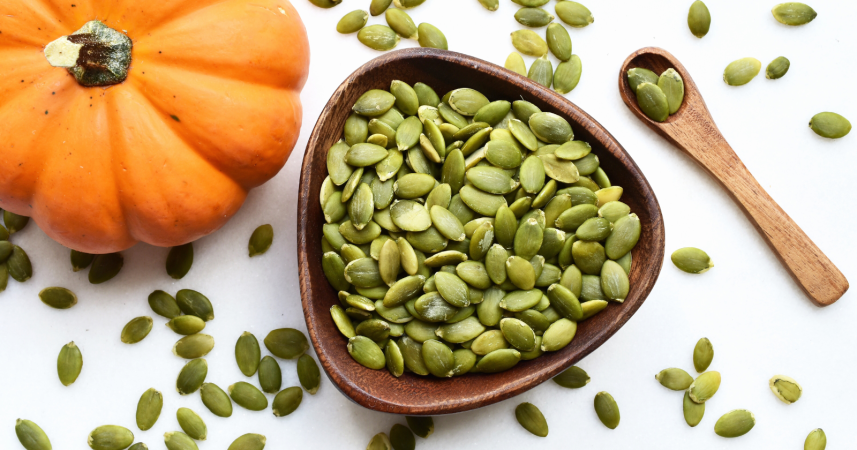
These little green seeds are iron powerhouses hiding in plain sight. One ounce of pumpkin seeds delivers about 2.5 milligrams of iron, which is roughly 14% of your daily needs. That's more than most people realize, and way more than the sunflower seeds you've been sprinkling on everything.
The best part is how easy they are to use. Toss them on oatmeal, blend them into smoothies, or just eat them straight from the bag while you're answering emails. They've got a subtle nutty flavor that plays well with both sweet and savory dishes.
Pro tip: pair them with something high in vitamin C, like citrus or bell peppers. It helps your body absorb more of that plant-based iron. A pumpkin seed and orange salad sounds weird until you try it.
2. Blackstrap molasses is the secret weapon
I know, I know. Molasses sounds like something your great-grandmother used. But blackstrap molasses specifically is a nutritional anomaly. Just one tablespoon contains about 3.5 milligrams of iron. That's nearly 20% of your daily value from a single spoonful.
It's the byproduct of refining sugar cane, which means all the minerals that get stripped out of white sugar end up concentrated here. Think of it as the nutritional revenge of the sugar industry. Beyond iron, you're also getting calcium, magnesium, and potassium.
The flavor is bold and slightly bitter, so it works best in baked goods, smoothies, or stirred into warm plant milk. Some people even add it to coffee. I'm not quite there yet, but I respect the commitment.
3. Hemp hearts deserve more attention
Hemp hearts have been quietly sitting in the health food aisle while chia and flax get all the glory. But three tablespoons of hemp hearts give you about 2.4 milligrams of iron, plus they're a complete protein. That's a two-for-one deal that doesn't happen often in the plant world.
They have this mild, almost creamy flavor that disappears into whatever you're making. Sprinkle them on avocado toast, mix them into energy balls, or stir them into soup right before serving. They don't need to be ground like flax, which makes them way more convenient.
The texture is soft and won't get stuck in your teeth like some seeds. They're basically the polite, well-behaved member of the seed family that also happens to be incredibly nutritious.
4. Tahini is more than a hummus ingredient
Most people only think about tahini when they're making hummus or maybe a salad dressing. But this sesame seed paste is sitting on about 2.7 milligrams of iron per two tablespoons. That puts it ahead of a lot of foods that get way more credit.
Tahini is also incredibly versatile once you start experimenting. Drizzle it on roasted vegetables, swirl it into brownies, or thin it out with lemon juice for a quick sauce. The USDA nutrient database shows it's also loaded with copper and zinc, which support iron absorption.
Fair warning: tahini quality varies wildly. The cheap stuff can taste bitter and grainy. Spend a few extra dollars on a good brand and you'll actually want to use it.
5. Dried apricots are the underrated snack
Fresh apricots are fine, but dried apricots are where the iron lives. Half a cup of dried apricots contains about 1.7 milligrams of iron, plus they're portable, shelf-stable, and actually taste good. That's a rare combination in the world of nutritious snacks.
The drying process concentrates the nutrients, which is why dried fruit often outperforms fresh fruit in the mineral department. Apricots specifically have a tangy sweetness that works well chopped into grain bowls or mixed into trail mix with those pumpkin seeds we talked about earlier.
Just watch the portion sizes. Dried fruit is calorie-dense and easy to overeat. But as an iron-boosting snack that you'll actually enjoy? Dried apricots are hard to beat.
Final thoughts
Iron deficiency is one of the most common nutritional concerns for vegans, but it doesn't have to be. The solution isn't necessarily eating more of the same foods. It's expanding your rotation to include sources you might have been overlooking.
Pumpkin seeds, blackstrap molasses, hemp hearts, tahini, and dried apricots aren't exotic or expensive. They're just underappreciated. Start adding one or two of these to your weekly routine and you'll be covering more ground without much extra effort.
And remember the vitamin C trick. A squeeze of lemon, some sliced strawberries, or a handful of bell pepper strips alongside these foods can significantly boost how much iron your body actually absorbs. It's a small habit that makes a real difference. Your future blood work might just surprise you.
What’s Your Plant-Powered Archetype?
Ever wonder what your everyday habits say about your deeper purpose—and how they ripple out to impact the planet?
This 90-second quiz reveals the plant-powered role you’re here to play, and the tiny shift that makes it even more powerful.
12 fun questions. Instant results. Surprisingly accurate.