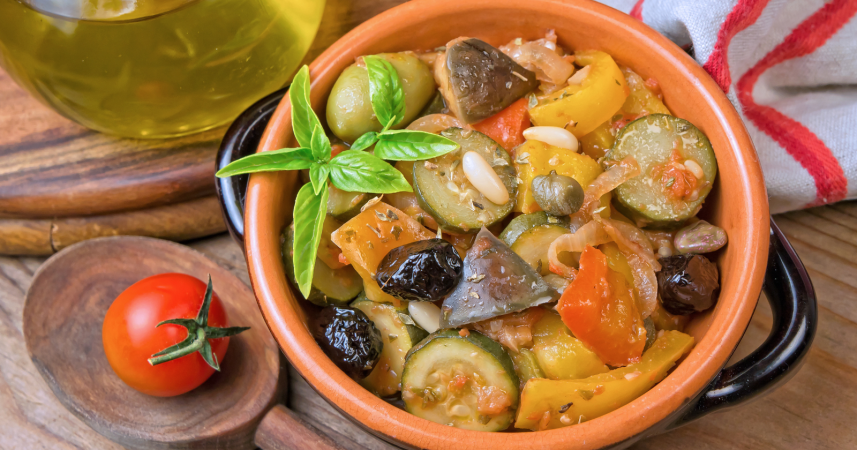
Some of the most beloved comfort foods passed down through generations were plant-based all along, no trendy rebrand required.

Add VegOut to your Google News feed. 
Here's something that might shift your perspective a bit. Long before oat milk lattes and Beyond Burgers became mainstream, families around the world were cooking plant-based meals without giving it a second thought.
No Instagram hashtags. No wellness influencers. Just good food that happened to contain zero animal products.
These dishes weren't created to make a statement or follow a trend. They emerged from necessity, tradition, and the simple reality that vegetables, grains, and legumes have always been affordable and delicious.
Your great-grandmother probably made at least one of these regularly. She just called it dinner. The funny thing about the vegan label is how it can make something feel new when it's actually ancient.
So let's celebrate some classics that have been quietly plant-based this whole time, proving that vegan food isn't some modern invention. It's been on family tables for generations.
1) Pasta e fagioli
This Italian soup has been warming kitchens since at least the medieval period, when meat was a luxury most families couldn't afford regularly. The name literally translates to "pasta and beans," which tells you everything about its humble origins. Peasant food, they called it. Now we'd call it a perfectly balanced plant protein situation.
The beauty of pasta e fagioli lies in its simplicity. Cannellini beans, short pasta, tomatoes, garlic, olive oil, and whatever vegetables you have on hand. Some families add celery and carrots. Others keep it stripped down. The beans provide that satisfying heartiness while the pasta makes it feel like a complete meal.
Every Italian grandmother has her own version, passed down through generations without anyone ever mentioning the word vegan. It was just Tuesday night dinner.
2) Southern collard greens
Now, traditional Southern collard greens often include ham hocks or bacon for flavor. But plenty of families, particularly in African American communities with roots in plant-forward cooking traditions, have been making them with just smoked seasonings, vinegar, and patience for generations.
The dish traces back to African culinary traditions that emphasized leafy greens long before they arrived on American soil.
The secret is in the slow cooking. Collards need time to break down and become tender, developing that deep, slightly bitter flavor that pairs perfectly with cornbread. A splash of apple cider vinegar, some crushed red pepper, garlic, and onion create all the complexity you need.
My partner's grandmother made hers this way for decades, never once considering it a dietary choice. It was simply how her mother taught her, and her mother before that.
3) Indian dal
Dal might be the most obvious entry on this list, but it deserves recognition for being perhaps the most widely consumed accidentally vegan dish on the planet.
Lentils and legumes have been dietary staples in India for thousands of years, forming the protein backbone of countless vegetarian households. The dish predates any modern dietary movement by millennia.
What makes dal so brilliant is its infinite adaptability. Red lentils, yellow split peas, black gram, chickpeas. Each region has its preferred legume and spice combination. The tempering of cumin, mustard seeds, and curry leaves in hot oil at the end creates that signature aroma.
Served over rice with some vegetables on the side, it's a nutritionally complete meal that billions of people have eaten without ever needing to call it anything but dinner.
4) Sicilian caponata
This Sicilian eggplant dish has been around since at least the 1700s, though some food historians trace versions of it back even further.
It's essentially a sweet and sour vegetable stew, featuring fried eggplant, tomatoes, celery, capers, and olives. The agrodolce flavor profile comes from vinegar and a touch of sugar, creating something that tastes way more complex than its ingredients suggest.
Caponata was originally served as a main course for workers and sailors who needed affordable, filling food that could last without refrigeration. The vinegar acted as a preservative, making it practical for long voyages.
Today it shows up as an appetizer or side dish, but there's no reason it can't anchor a meal the way it did for centuries. Spread it on crusty bread, pile it over pasta, or eat it straight from the bowl. Your Sicilian ancestors would approve.
5) Mexican rice and beans
The combination of rice and beans appears across Latin American cuisines, but the Mexican version holds a special place in family cooking traditions.
Together, these two ingredients form a complete protein, something indigenous cultures understood intuitively long before nutritional science confirmed it. This pairing has sustained families through economic hardships, celebrations, and ordinary weeknights alike.
The rice gets its characteristic color and flavor from being toasted in oil, then simmered with tomatoes, onion, and garlic. The beans, whether pinto or black, are often cooked from dried with epazote or bay leaves. Wrapped in a warm tortilla with some salsa, this combination has been the foundation of countless meals across generations.
No fancy substitutions needed. No special shopping trips required. Just real food that happens to be entirely plant-based.
Final thoughts
There's something reassuring about realizing that plant-based eating isn't a 21st century invention. These dishes have fed families through wars, economic depressions, migrations, and celebrations.
They've been passed down through handwritten recipe cards and kitchen demonstrations, grandmother to grandchild, without anyone needing to justify or explain them.
The vegan label can sometimes feel like a barrier, making plant-based food seem like it belongs to a specific group or lifestyle. But these dishes remind us that eating plants is simply eating. It's what humans have done forever, out of necessity, tradition, and genuine enjoyment.
So the next time someone asks what vegans even eat, you might mention that their own family cookbook probably has a few answers. The food was there all along. We just started giving it a different name.