
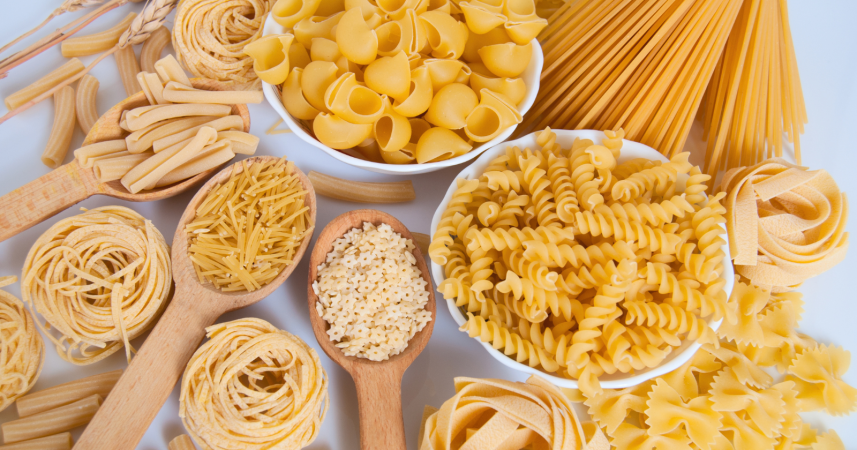
If portion control isn’t in your pasta vocabulary, these personality clues might be.
Every pasta box lies about serving sizes, sure. But some of us transcend normal miscalculation, consistently creating enough spaghetti to feed a small Italian village for Tuesday night. This isn't bad math or rebellion against portion control. It's about how certain personalities approach abundance, preparation, and the eternal optimism that someone, somehow, will help eat all this.
Those who chronically overproduce pasta aren't just bad at eyeballing—they're exhibiting consistent traits about generosity, anxiety, and imagined futures. The extra three pounds of rigatoni aren't accidents; they're personality tests you can twirl on a fork.
1. You're an optimistic catastrophizer
You simultaneously believe everything will work out and disaster looms. Hence: pasta for both the dinner party and the apocalypse. Your brain plays both sides.
This paradox reflects defensive pessimism meets hope. You make too much because maybe more people will come (optimism) but also because running out would be social death (catastrophe). You pack three phone chargers for overnight trips. Not anxious, not carefree—somehow both. The pasta pot is your emotional hedge fund.
2. You have grandmother energy regardless of age
You're twenty-eight but channeling someone's Nonna, convinced everyone's starving and it's your personal responsibility. The urge to feed people transcends generational boundaries in your soul.
This indicates nurturing as identity, not behavior. You make extra because somewhere, cosmically, someone might be hungry. You bring snacks to bars, carry emergency granola bars, feel personally responsible for everyone's blood sugar. Age irrelevant—you were born believing people need feeding.
3. You're terrible at imagining future you
Present you makes pasta like future you is marathon training. Future you eats cereal for dinner. This disconnect never resolves.
The pasta problem demonstrates temporal discounting in action. You can't predict your future desires, energy, appetite. Sunday you imagines weekday you gratefully eating leftovers. Weekday you orders Thai while pasta develops consciousness in the fridge. You're optimizing for a version of yourself that never materializes.
4. You believe in kitchen magic thinking
Deep down, perfect pasta amounts are unknowable, mystical. You trust vibes over measurements. Box instructions are suggestions from people who don't understand your journey.
This reflects intuitive over analytical thinking. You eyeball portions by feeling, convinced you'll sense when it's enough. Measuring cups are for quitters. You approach pasta like jazz—improvisational, feeling-based, occasionally resulting in magnificent excess. Mystery is the point.
5. You're secretly preparing for spontaneous community
What if someone drops by? What if neighbors need dinner? You're pasta-prepared for social scenarios that never happen but theoretically could.
Extra pasta isn't waste; it's potential connection. You buy extra birthday cards "just in case," keep guest toothbrushes, live ready for unlikely social emergence. Your pasta pot is insurance against loneliness.
6. You experience portion guilt but make it anyway
You know it's too much. You watch yourself doing it. You feel bad about waste. You do it anyway. Guilt is now part of the recipe.
This demonstrates cognitive dissonance in action. Two beliefs: "shouldn't waste food" and "must make abundant pasta." Rather than resolve this, you've incorporated guilt as seasoning. Aware of the pattern, powerless against it, weirdly okay with both. The shame is priced in. Self-awareness without behavior change—peak humanity.
7. You're an abundance manifestor
You believe in plenty, even cooking for one. Scarcity mindset? Never met her. Your colander overflows because your worldview does.
You make excess because you fundamentally believe in "too much" as concept. The friend who overtips, brings wine AND dessert, gives random gifts. Your pasta excess isn't poor planning—it's philosophical statement. The universe is abundant; you cook accordingly.
8. You find comfort in culinary inefficiency
Storing leftovers, Tupperware Tetris, Thursday's lunch of Monday's spaghetti—you secretly love the whole process. Efficiency would ruin it.
Making the right amount would eliminate the extended relationship—cooking, storing, reheating, reinventing. You're not failing at portions; you're succeeding at multi-day pasta experiences. Inefficiency is the point. One meal becomes abundance.
Final thoughts
People who consistently over-make pasta aren't bad at cooking—they're operating from different relationships with abundance, possibility, and care. Every excess pound of penne represents optimism that more people might gather, that future-you might be hungrier, that abundance beats scarcity even when it means carbonara for four days straight.
This isn't about pasta. It's about approaching life with fundamental bias toward plenty, even when impractical. These people would rather have too much than too little of anything—food, love, options, hope. They're feeding invisible guests, future selves, and the cosmic possibility that someone, somewhere, might need exactly what they've accidentally-on-purpose over-made.
The pasta over-makers perform domestic optimism, where every meal could become feast if necessary. They're not measured or practical, but they're prepared for spontaneous celebration. And honestly? In a world optimized for scarcity and efficiency, there's something beautiful about people who consistently err on the side of too much, whose biggest kitchen crime is believing tonight might be the night everyone shows up hungry.












