What I learned about control, identity, and the stories we tell ourselves about eating.
The decision to go vegan arrived during one of those 3am scrolling sessions where you convince yourself you're doing research. I'd spent months treating meals like problems to solve rather than experiences to have. A plant-based diet seemed like the answer—clean, ethical, transformative. But I'd learned something more complicated than I expected.
1. The honeymoon phase felt like freedom
The first month was intoxicating. I researched everything, learned to read labels like a detective, discovered cashews could become cream and chickpeas could become meringue. My kitchen transformed into a laboratory of possibility.
The clarity surprised me most. No more standing in front of the fridge negotiating with myself about whether something was "allowed." The rules were simple, and simple felt safe. I told myself this was about ethics and health, but it was mostly about having an external framework make decisions for me.
2. I stopped calling it a diet and started calling it an identity
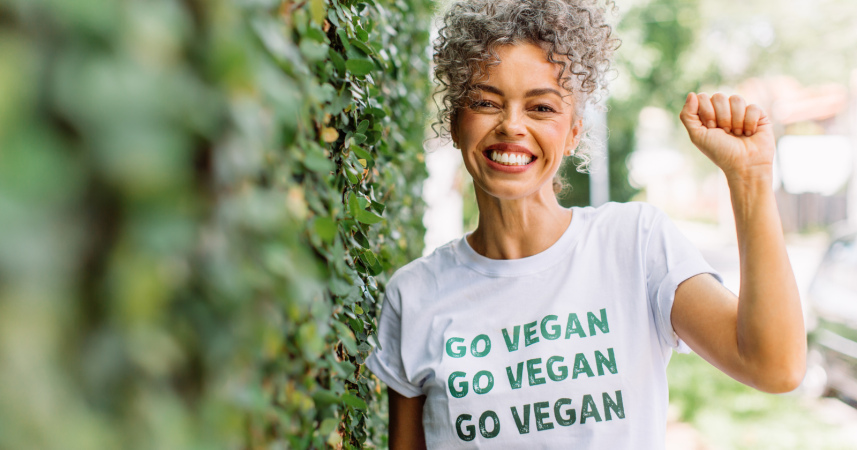
Around month two, something shifted. I wasn't just eating plant-based—I was vegan. The label gave me a sense of belonging I hadn't realized I was missing.
But identity comes with weight. I got rigid about things that didn't really matter—feeling anxious at dinner parties, mentally calculating the purity of my choices. The ethics were real. So was the way I'd started using them to avoid dealing with why food felt complicated in the first place.
3. My body had opinions I wasn't ready for
Three months in, I felt incredible. Then month four hit, and I was exhausted. My nails started breaking, my hair felt different, and I couldn't shake this fog that made thinking through work projects take twice as long.
I added supplements, tracked nutrients obsessively, consulted forums. Some people said I wasn't doing it right. Others insisted any struggle meant my body was "detoxing." What nobody wanted to acknowledge was simpler: some bodies adapt easily to plant-based eating, and some need more careful planning. Mine was in the second category.
4. The restriction paradox became impossible to ignore
When you remove an entire category of foods, you create a psychological loop. Every meal becomes a small victory. Every "no thank you" reinforces your commitment. It feels like strength.
Until it doesn't. I caught myself turning down foods I actually wanted, not because they conflicted with my values, but because saying yes felt like losing. The boundary between ethical choice and disordered patterns can be thinner than anyone wants to admit, especially when you're using food rules to manage other kinds of chaos.
5. I started noticing what I was actually hungry for
About five months in, I had dinner with someone who ate thoughtfully but without categories. She ordered what she wanted, enjoyed it completely, moved on. No performance, no guilt, no mental scorekeeping.
I realized I'd been hungry for that kind of ease more than anything else. I'd hoped veganism would give me peace with food, but what I needed was to figure out why I'd been at war with it in the first place. The diet hadn't created my food issues—it had just given them a more socially acceptable costume.
6. The ethics and the anxiety got tangled together
The environmental and animal welfare reasons that drew me to veganism didn't disappear when I started questioning my approach. But I had to get honest about how I'd been using those legitimate values as a way to feel in control.
When your food choices become your moral identity, every meal carries stakes it shouldn't. I'd confused ethical eating with perfect eating, and perfectionism poisons even the most well-intentioned frameworks.
7. Letting go felt like failure at first
I started reintroducing some animal products slowly, carefully, with a level of self-judgment I wouldn't wish on anyone. Part of me felt like I was betraying something important. Another part felt immediate relief.
The physical changes came quickly—more energy, better focus, that fog lifting. The psychological shift took longer. I had to grieve the simple identity I'd built, the community I'd found, the clear rules that had felt so reassuring.
8. The real work was never about the food
Going vegan didn't fix my relationship with food because food was never the actual problem. The problem was how I'd learned to use control as a proxy for self-care, how I'd confused restriction with discipline, how I'd been looking for external rules to quiet internal chaos.
Some people thrive on plant-based diets, physically and psychologically. It genuinely aligns with their values and bodies without triggering disordered patterns. My experience isn't universal, but it's not unique either.
Final thoughts
I eat differently now—less rigidly, more intuitively, with attention to both ethics and what my particular body seems to need. Some meals are fully plant-based because that's what sounds good. Others aren't. I'm still figuring it out.
What I'm not doing anymore is outsourcing my self-worth to my food choices. The peace I was looking for didn't come from the perfect diet—it came from finally asking why I needed one so badly in the first place.
If you're using food rules to feel safe or worthy or in control, you're not broken. You're human. But maybe the question isn't what to eat—maybe it's what you're really hungry for.