Or how overnight oats turned me into someone I don't recognize.
I need you to understand something: I've been the person who sets seventeen alarms starting at 6:30 AM, finally rolls out of bed at 8:47, and considers coffee a food group until 2 PM. I've tried every morning routine YouTubers swear by. I am not, have never been, and assumed would never be a morning person.
So when I tell you that a bowl of overnight oats somehow rewired my entire relationship with mornings, I'm as confused as you are.
It started from a place of desperation. I'd been eating increasingly deranged breakfasts—leftover pad thai at 7 AM, chips and hummus while standing over the sink, the occasional handful of dry cereal chased with oat milk straight from the carton. Then my therapist asked me to describe my mornings, and when I finished, she said, "That sounds exhausting." Not my job, not my relationships—my breakfast routine was exhausting.
The accidental experiment
I didn't set out to eat the same thing for 30 days. I just wanted to remove one decision from my disaster mornings. I'd seen overnight oats all over social media, always dismissed them as another wellness trend for people who have their lives together. But they required no morning cooking, no decisions, no thought. I could make five jars on Sunday and be done with it.
The recipe I landed on wasn't revolutionary:
The breakfast that changed everything:
- ½ cup rolled oats
- 1 tbsp chia seeds
- 1 tbsp ground flax
- 1 tbsp almond butter
- 1 tbsp maple syrup
- ¾ cup oat milk
- ½ tsp cinnamon
- Pinch of salt
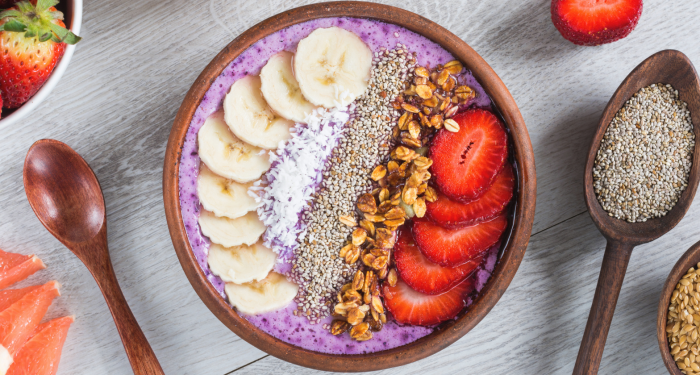
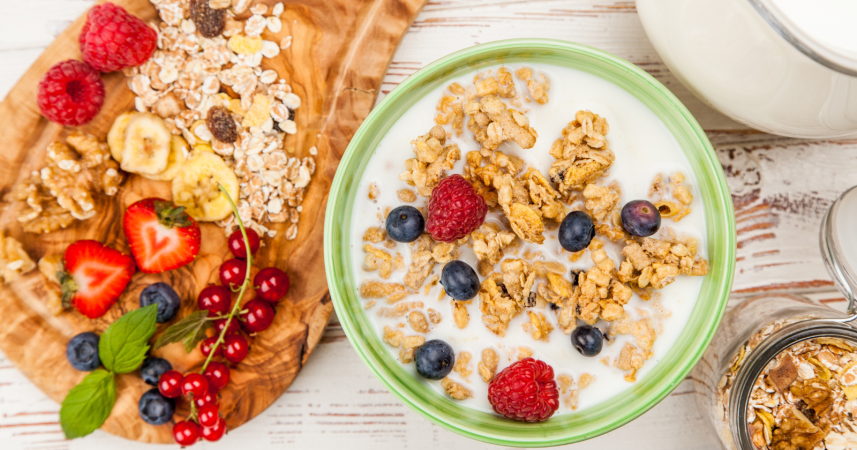
- Morning toppings: banana, berries, walnuts
Mix everything except toppings in a jar before bed. Sleep. Wake up to breakfast that's ready. Add fruit. Eat. That was the entire plan.
Full recipe with variations at the end—but the story is worth it, I promise.
Week 1: The resistance phase
The first morning, I woke up at my usual 8:47 and remembered breakfast was already made. The relief was immediate—no decisions, no cooking, no cleanup beyond rinsing a jar. It tasted like cookie dough that's acceptable to eat before noon.
By day three, something weird happened. I woke up at 8:30 without the last alarm. By day five, it was 8:15. Not because I was excited about oats, but because my brain had started to connect morning with "thing that's already handled" instead of "series of impossible decisions."
The oats themselves were genuinely satisfying—creamy, slightly sweet, filling in a way that didn't lead to a 10 AM crash. The chia seeds had expanded overnight into this pudding-like texture. The almond butter made it rich enough to feel like actual food.
Week 2: The routine emerges
I started waking up at 8 AM. Voluntarily. Without alarms screaming.
I had time to sit at my actual table. I made coffee in a real mug, not a travel cup I'd chug while running for the train. I started reading the news instead of scrolling Twitter in a cortisol-fueled haze.
The oats had become an anchor point. Everything else could be chaos, but breakfast was sorted. That small certainty somehow made mornings feel manageable instead of like a battle I'd already lost.
Reality check: weekends were harder. Saturday hit and my brain wanted to rebel, to sleep until noon and eat garbage. But the jar was already there, waiting. Even on Sunday after staying out late, the oats were there. No decisions needed.
Weeks 3-4: The transformation nobody asked for
This is where I became insufferable. I started making my oats at 9 PM, going to bed at 11 instead of 2 AM because "I already made breakfast, might as well use it." By week four, I was waking up at 7 AM—without an alarm. My body just decided that was morning now.
The consistency was doing something beyond just timing. No more sugar crashes, no more afternoon desperate snack spirals. The fiber from the oats and seeds kept everything (you know) regular. But the bigger change was psychological: removing the breakfast decision removed the first stress of the day. Without that initial panic, everything else felt more manageable.
Not every day was perfect. Day 18, I forgot to make oats and had to eat toast like a normal person—the morning felt off-kilter, proving how much the routine had anchored me. A work trip on days 23-24 meant buying overpriced airport oatmeal that made me appreciate my jars even more.
But by day 30, I was watching the sunrise from my fire escape with coffee and oats, having the horrifying realization that I'd become a morning person. Through oats.
The aftermath
It's been three months now. I still eat overnight oats most mornings, though I'll make toast or a smoothie on weekends when I want variety. But the change stuck. I'm still waking up early, still going to bed at reasonable hours, still feeling like mornings are something I experience rather than survive.
My theory: it was never about the oats specifically. It was about removing the first decision of the day, creating one point of certainty in the morning chaos. That tiny bit of structure gave everything else permission to fall into place. The nutrition helped—stable blood sugar, sustained energy—but the psychological shift was bigger.
The complete recipe
People keep asking for the exact recipe, like it's magic. It's not. But here's exactly what I do:
Base recipe (make 5 jars on Sunday):
- ½ cup rolled oats (not instant, not steel-cut)
- 1 tbsp chia seeds
- 1 tbsp ground flax
- 1 tbsp almond butter (or peanut butter)
- 1 tbsp maple syrup
- ¾ cup oat milk (or any plant milk)
- ½ tsp cinnamon
- Pinch of salt
- ½ tsp vanilla extract
Mix in mason jars, refrigerate, eat within 5 days.
Morning additions:
- 1 banana, sliced
- Handful of berries
- Handful of walnuts or pecans
Variations that keep it interesting:
- Chocolate: Add 1 tbsp cacao powder
- Tropical: Coconut flakes and mango
- Apple pie: Grated apple and extra cinnamon
- Protein boost: Add vanilla protein powder
- Savory: Skip sweetener, add everything bagel seasoning (yes, really)
What I actually learned
I wasn't a night owl living in a morning person's world. I was just someone who'd never given mornings a fair chance. The story I'd told myself—that I was constitutionally incapable of functioning before noon—was just that: a story.
The overnight oats didn't make me a morning person. They just removed the barrier between me and the morning person who was apparently inside this whole time, eager to have opinions about sunrise colors.
Last week, a friend texted at 11 PM asking if I wanted to meet for drinks. I texted back, "Can't, I'm making overnight oats and going to bed." She replied, "Who are you and what have you done with Jordan?"
I wanted to explain that I'm still me, just with a better breakfast routine. But maybe that's not true. Maybe becoming someone you don't recognize is just growing up, one jar of oats at a time.
The strangest part is that I can't imagine going back. Not because the oats are that good (though they are), but because I finally understand what everyone meant about mornings being peaceful. They are, if you're not spending them in panic about breakfast.
Who knew the secret to changing your entire life was mixing oats with milk before bed? Certainly not me. But here we are, and I've never been better.
Even if I've become insufferable about it.
What’s Your Plant-Powered Archetype?
Ever wonder what your everyday habits say about your deeper purpose—and how they ripple out to impact the planet?
This 90-second quiz reveals the plant-powered role you’re here to play, and the tiny shift that makes it even more powerful.
12 fun questions. Instant results. Surprisingly accurate.