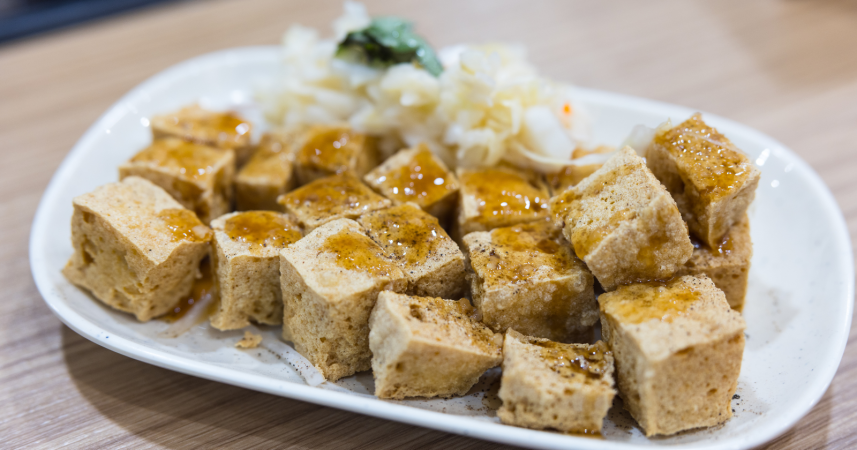
Forget everything you think you know about pressing tofu, because the secret to restaurant-level crispiness has been hiding in your freezer this whole time.

Add VegOut to your Google News feed. 
I've made a lot of mediocre tofu in my life. Soggy tofu. Rubbery tofu.
Tofu that technically had a crispy exterior but somehow still felt like chewing on a wet sponge. I tried every trick the internet threw at me. Pressing it under heavy books for hours. Coating it in cornstarch. Baking it at temperatures that made my smoke detector nervous. Nothing delivered that shatteringly crispy, golden perfection I'd get at my favorite Thai restaurant.
Then someone told me to freeze my tofu first. I rolled my eyes so hard I nearly pulled a muscle. Freeze it? That sounded like the kind of advice your well-meaning aunt gives you about putting batteries in the refrigerator.
But I was desperate, and desperation makes you try things. What happened next fundamentally changed my relationship with this humble soy product. Now I can't stop talking about it at dinner parties, and my friends are getting tired of me. But you know what? They're also eating really good tofu.
The science behind the freeze
Here's what's actually happening when you freeze tofu, and it's genuinely fascinating. Tofu is mostly water, somewhere around 80% depending on the firmness. When that water freezes, it expands and forms ice crystals throughout the block. These crystals create tiny pockets and channels in the tofu's structure, almost like a honeycomb pattern on a microscopic level.
When you thaw the tofu, all that water drains out easily because it now has pathways to escape. You're left with a denser, spongier texture that's completely different from fresh tofu. Food scientists call this freeze-induced protein denaturation, and it permanently changes the protein matrix. The result is tofu that absorbs marinades like a dream and crisps up beautifully because there's so much less moisture fighting against you.
The actual method
This is almost embarrassingly simple. Buy extra-firm tofu. Take it out of the package, drain the liquid, and stick the whole block in your freezer. That's it. You can wrap it in plastic or just leave it in its original container. Let it freeze solid, which takes about 24 hours.
When you're ready to cook, pull it out and let it thaw completely. This is the part that requires patience. You can leave it in the fridge overnight or on the counter for a few hours. Once thawed, press it gently between your hands or with a kitchen towel. You'll be amazed at how much water comes out with barely any effort.
The texture will feel different immediately, almost meaty and porous. Now you're ready to cube it, marinate it, and cook it however you like.
Why this beats traditional pressing
Traditional pressing is fine. It works. But it's also tedious and never quite gets all the moisture out. You stack books on your tofu, wait 30 minutes, realize it's still pretty wet, add more books, wait longer. The freeze method is passive. You're not standing there monitoring anything. The freezer does all the work while you live your life.
The texture difference is also significant. Pressed tofu still has that smooth, slightly slippery quality. Frozen and thawed tofu has more bite, more chew, more of what I can only describe as substance. It holds its shape better during cooking and develops those crispy edges without falling apart. I spent years thinking I just wasn't good at cooking tofu. Turns out I was fighting against physics the whole time.
Getting that restaurant-level crisp
Once your tofu is frozen, thawed, and pressed, the crispy part becomes almost automatic. Cut it into cubes or slabs, toss with a little oil and cornstarch, and cook at high heat. Air fryers work incredibly well here, around 400 degrees for 15 to 20 minutes with a shake halfway through. Pan-frying in a cast iron skillet is also excellent if you don't crowd the pan.
The key is patience. Let each side develop a golden crust before flipping. The freeze method has already done the hard work of removing moisture, so you're not steaming the tofu in its own water anymore.
You're actually frying it. The difference in sound alone is remarkable. Fresh tofu sizzles weakly. Frozen-then-thawed tofu crackles and pops like it means business. That's the sound of success.
Final thoughts
I know I said I'm annoying about this, and I meant it. Last week I brought it up at a birthday party. The week before that, I interrupted a conversation about movies to mention freezer tofu. I've become that person, and I've made peace with it. Some discoveries are worth being insufferable about.
The beautiful thing about this method is that it requires zero extra equipment, zero special ingredients, and almost zero effort. Just a little foresight. I now keep two or three blocks in my freezer at all times, ready to go whenever the craving hits.
If you've been struggling with tofu, if you've written it off as something you just can't make well, I'm asking you to try this once.
Freeze one block. See what happens. And then, when you're standing in your kitchen eating crispy tofu straight from the pan because you can't wait to plate it, remember that I warned you. You're about to become annoying about it too.
If You Were a Healing Herb, Which Would You Be?
Each herb holds a unique kind of magic — soothing, awakening, grounding, or clarifying.
This 9-question quiz reveals the healing plant that mirrors your energy right now and what it says about your natural rhythm.
✨ Instant results. Deeply insightful.

Jordan Cooper
Jordan Cooper is a pop-culture writer and vegan-snack reviewer with roots in music blogging. Known for approachable, insightful prose, Jordan connects modern trends—from K-pop choreography to kombucha fermentation—with thoughtful food commentary. In his downtime, he enjoys photography, experimenting with fermentation recipes, and discovering new indie music playlists.
More Articles by Jordan