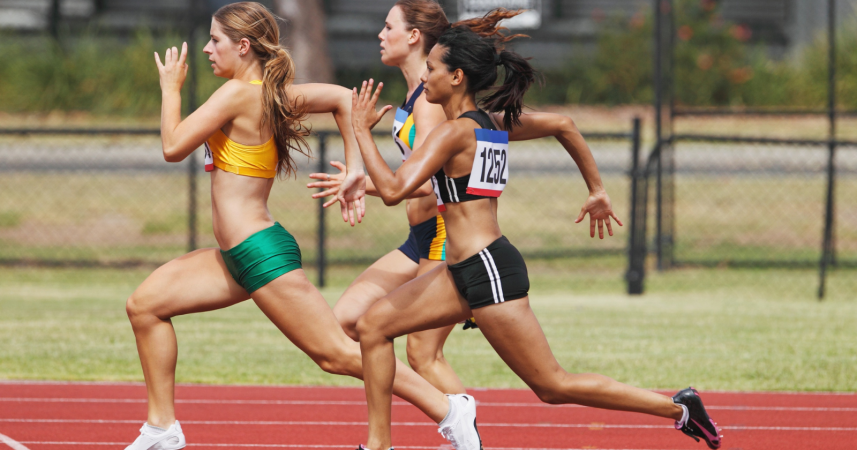
From Olympic sprinters to UFC champions, elite athletes are proving that plants can fuel world-class performance.
There's a stubborn myth that keeps hanging around gyms and locker rooms. It goes something like this: real athletes need meat to compete at the highest level. Protein equals power, and power equals animal products.
Simple math, right?
Except the math doesn't actually work out that way. Some of the world's most dominant athletes have ditched animal products entirely. We're talking Olympic medalists, UFC title holders, and ultramarathon champions.
These aren't weekend warriors experimenting with Meatless Mondays. They're elite competitors whose careers depend on peak physical performance. And they're crushing it on plants.
So what's their secret? Let's break down how they fuel those championship bodies and what actually ends up on their plates each day.
The science behind plant-powered performance
Here's what makes vegan diets work for athletes, according to actual research. A study published in the journal Nutrients found that plant-based diets can meet all the nutritional needs of athletes when properly planned.
The key word there is "properly." Nobody's winning gold medals on french fries and Oreos.
Plant foods tend to be rich in antioxidants and anti-inflammatory compounds. This matters because intense training creates oxidative stress in the body. More antioxidants mean faster recovery between sessions. Athletes also report improved cardiovascular efficiency on plant-based diets.
Better blood flow equals better oxygen delivery to muscles. That's a competitive edge you can actually feel.
What Venus Williams eats to stay competitive
Tennis legend Venus Williams went plant-based in 2011 after being diagnosed with an autoimmune disease. She credits the switch with helping her manage symptoms and extend her career well into her 40s. Her approach focuses on whole foods and strategic timing around training.
A typical day for Williams includes smoothies packed with greens and plant protein for breakfast. Lunch might be a big salad with quinoa, avocado, and roasted vegetables. Dinner often features lentil-based dishes or bean stews with plenty of colorful produce. She emphasizes eating enough calories to support her intense training schedule.
Undereating is the biggest mistake athletes make when transitioning to plants.
How Lewis Hamilton fuels Formula 1 dominance
Seven-time Formula 1 world champion Lewis Hamilton went vegan in 2017. He's been vocal about both the ethical and performance benefits. Racing might look like sitting in a car, but F1 drivers experience extreme physical demands. G-forces, heat stress, and mental focus all require serious nutrition.
Hamilton works with a chef to ensure he's getting complete proteins from varied plant sources. His meals typically combine legumes, whole grains, and vegetables in different combinations. He's big on smoothie bowls with nut butters and seeds for healthy fats.
Hydration is also crucial, so he incorporates coconut water and electrolyte-rich foods throughout the day. The key is consistency and planning ahead, especially during race weekends when schedules get chaotic.
The daily plate of a vegan ultramarathoner
Ultramarathon runner Scott Jurek has been plant-based for over two decades.
He's won some of the most grueling races on the planet, including the Western States 100-Mile Endurance Run seven consecutive times. His caloric needs are astronomical, sometimes exceeding 6,000 calories on heavy training days.
Jurek's approach is all about calorie density and nutrient timing. Breakfast might be a massive bowl of oatmeal with bananas, walnuts, and maple syrup. Throughout the day, he grazes on energy-dense foods like nut butter sandwiches and homemade energy bars.
Dinner is often a hearty grain bowl with tempeh, roasted root vegetables, and tahini dressing. He pays special attention to iron and B12, supplementing when necessary to maintain optimal levels.
Common threads in elite vegan athlete diets
After looking at dozens of plant-based athletes, some patterns emerge. First, they all eat a lot of food. Like, way more than you might expect. Plants are less calorie-dense than animal products, so volume matters. Second, they prioritize variety. Different plants offer different amino acid profiles, so mixing it up ensures complete protein intake.
Third, they don't fear carbs. Carbohydrates are the primary fuel source for high-intensity exercise. Rice, potatoes, oats, and fruits feature heavily in their diets.
According to the American College of Sports Medicine, athletes need adequate carbohydrate intake for optimal performance.
Finally, they work with nutrition professionals to dial in the details. Supplements like B12, vitamin D, and omega-3s are standard additions to their routines.
Final thoughts
The evidence keeps stacking up. Plant-based diets can absolutely support elite athletic performance. But here's the thing that often gets lost in the conversation.
These athletes aren't succeeding despite eating plants. Many of them believe they're succeeding because of it. Faster recovery, reduced inflammation, and improved cardiovascular health all contribute to longevity in sport.
You don't need to be an Olympic athlete to apply these principles. The basics translate to any fitness level. Eat enough calories from whole plant foods.
Get your protein from varied sources throughout the day. Don't skip the carbs. And consider working with a nutritionist if you're serious about performance. The days of thinking vegans can't be athletes are officially over. The podiums and championship belts tell a different story entirely.
If You Were a Healing Herb, Which Would You Be?
Each herb holds a unique kind of magic — soothing, awakening, grounding, or clarifying.
This 9-question quiz reveals the healing plant that mirrors your energy right now and what it says about your natural rhythm.
✨ Instant results. Deeply insightful.

Jordan Cooper
Jordan Cooper is a pop-culture writer and vegan-snack reviewer with roots in music blogging. Known for approachable, insightful prose, Jordan connects modern trends—from K-pop choreography to kombucha fermentation—with thoughtful food commentary. In his downtime, he enjoys photography, experimenting with fermentation recipes, and discovering new indie music playlists.
More Articles by Jordan