After two decades of fighting the 3pm slump, these nine vegan staples completely transformed my energy levels without a single cup of coffee.
For twenty years, I was that person who'd start yawning around 2:30pm like clockwork.
I tried everything: more coffee, less coffee, strategic power naps, standing desks. Nothing worked. Then I started paying attention to what I was actually eating, and it turned out my midday crash wasn't about willpower or sleep quality. It was about fuel.
These nine plant-based foods changed everything. I'm talking sustained energy that lasts from lunch through dinner, no crash, no brain fog. Here's what finally worked.
1. Chickpeas (in literally any form)
Chickpeas became my secret weapon because they're packed with protein and fiber that digest slowly. Unlike the white bread sandwich I used to demolish at lunch, chickpeas keep your blood sugar steady instead of sending it on a roller coaster.
I started adding them to salads, blending them into hummus, roasting them for snacks. The combination of complex carbs and protein means your body gets a steady release of energy instead of a spike and crash. Think of it like a time-release energy capsule instead of a sugar bomb.
Pro tip: a can of chickpeas in your desk drawer is basically an insurance policy against the vending machine.
2. Quinoa (the actual superfood that lives up to the hype)
I know quinoa became a meme for a while, but hear me out. This grain is a complete protein, meaning it has all nine essential amino acids your body needs. That matters because amino acids are literally the building blocks your cells use to create energy.
I started meal prepping quinoa bowls on Sundays, and the difference was immediate. Where pasta would leave me face-down on my keyboard by 3pm, quinoa kept me alert and focused. It's got a low glycemic index, so again, no blood sugar spike.
Mix it with roasted vegetables and tahini dressing, and you've got a lunch that actually fuels your afternoon instead of sabotaging it.
3. Almonds (but only a handful, not the whole bag)
Almonds are like nature's energy pills. They've got healthy fats, protein, and magnesium, which is crucial for converting food into actual usable energy. Most people are low on magnesium without realizing it, and that deficiency shows up as fatigue.
The key is portion control. About 23 almonds (yeah, I counted) gives you sustained energy without making you feel heavy. I keep a small container at my desk and eat them around 2pm, right before the slump used to hit.
Raw or roasted doesn't matter much, just skip the ones covered in sugar or salt. You want the actual nut doing the work, not a candy bar in disguise.
4. Sweet potatoes (the complex carb that actually works)
Sweet potatoes are what I wish regular potatoes could be. They're loaded with complex carbohydrates that break down slowly, plus they've got vitamins B6 and C, which help your body produce energy at the cellular level. Science is cool like that.
I started baking a few at the beginning of the week and eating them with lunch. The natural sweetness satisfies any sugar cravings without the crash that comes from actual dessert. Plus, the fiber content means you stay full longer.
Cube them, roast them with paprika, and add them to grain bowls. Or just eat them plain with some tahini. Either way, they're a game changer for afternoon energy.
5. Spinach (yes, Popeye was onto something)
Spinach is ridiculously high in iron, and iron deficiency is one of the most common causes of fatigue. When you don't have enough iron, your blood can't carry oxygen efficiently, and that shows up as exhaustion and brain fog.
I started adding massive handfuls of spinach to everything: smoothies, pasta, grain bowls, scrambles. Raw, cooked, frozen, whatever. The goal was just getting more of it into my system consistently.
Within a couple weeks, I noticed I wasn't dragging as much. It wasn't dramatic, but it was real. Pair it with vitamin C-rich foods like bell peppers or citrus to help your body absorb the iron better.
6. Oats (but not the instant packets full of sugar)
Real oats, the kind you actually have to cook for more than 60 seconds, are a different food entirely from instant oatmeal packets. They're full of beta-glucan fiber, which slows digestion and provides steady energy for hours.
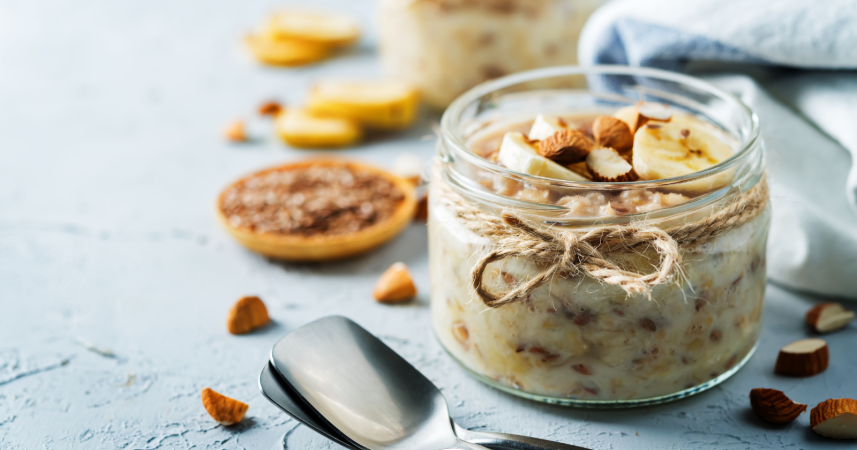
I started making overnight oats with almond milk, chia seeds, and berries. Eating them for breakfast meant I actually made it to lunch without needing a snack or feeling shaky. The sustained energy carried through the afternoon too.
Steel-cut or rolled oats both work. Just avoid the flavored packets that are basically dessert masquerading as breakfast. You want the whole grain doing its job.
7. Lentils (the underrated protein powerhouse)
Lentils have more protein than most people realize, plus they're loaded with folate and iron. That combination is perfect for maintaining energy because it supports healthy blood cells and oxygen transport throughout your body.
I started making big batches of lentil soup and eating it for lunch throughout the week. Unlike heavier meals that made me want to nap immediately, lentils left me satisfied but not sluggish. They're also stupid cheap, which is a bonus.
Red lentils, green lentils, black lentils, they all work. Throw them in curries, salads, or eat them plain with some hot sauce. Your afternoon self will thank you.
8. Bananas (nature's energy bar, minus the wrapper)
Bananas get dismissed as too sugary, but they're actually perfect for sustained energy. They've got natural sugars for quick fuel, plus fiber to slow the absorption, plus potassium and B vitamins that help convert food into energy.
I started eating a banana around 2pm with some almond butter, and it completely eliminated my afternoon slump. The combination of quick and slow-burning fuel, plus healthy fats from the almond butter, kept me going until dinner.
They're also portable and require zero prep, which matters when you're actually tired and don't want to do anything complicated. Sometimes the best food is the one you'll actually eat.
9. Pumpkin seeds (tiny but mighty)
Pumpkin seeds are packed with magnesium, zinc, and healthy fats. That trifecta supports energy production at the cellular level, plus they help regulate blood sugar. They're basically a multivitamin you can snack on.
I started sprinkling them on salads and grain bowls, or just eating them by the handful as a snack. A quarter cup has almost half your daily magnesium needs, and most people are deficient without knowing it.
They're also high in tryptophan, which helps regulate sleep cycles. Better sleep at night means more energy during the day. It's all connected.
Final thoughts
The thing about afternoon energy isn't willpower or coffee intake. It's about giving your body the actual nutrients it needs to produce energy efficiently. These nine foods do that without any weird supplements or complicated meal plans.
I still love coffee, but I don't need it to function anymore. My energy is steady from morning through evening, and I haven't taken an afternoon nap in months. Not because I'm forcing myself to stay awake, but because I genuinely don't need one.
Start with one or two of these foods and see what happens. Your 3pm self will probably notice the difference before your morning self does.
What’s Your Plant-Powered Archetype?
Ever wonder what your everyday habits say about your deeper purpose—and how they ripple out to impact the planet?
This 90-second quiz reveals the plant-powered role you’re here to play, and the tiny shift that makes it even more powerful.
12 fun questions. Instant results. Surprisingly accurate.