The shortcuts you've been avoiding might actually be the ones that save you the most time and energy.
We've all been there. You see some vegan influencer meal-prepping 47 containers of perfectly portioned Buddha bowls, and you think, "Yeah, that's never happening."
The thing is, a lot of plant-based habits get a reputation for being high-maintenance when they're actually the opposite.
I spent years doing things the hard way before I realized that some of the strategies I'd been avoiding were actually easier than my default mode. Here are nine habits that sound like a lot of work but will probably simplify your life.
1. Eating the same breakfast every day
Decision fatigue is real, and breakfast is where it starts. When you rotate through seven different morning meals, you're burning mental energy before you've even had coffee. Pick one or two breakfasts you actually like and just eat those.
I've had overnight oats with the same toppings for three years. Sounds boring, right? Except I never think about it, never stress about it, and never stand in my kitchen at 7 AM wondering what to eat. The automation is the point.
Your brain will thank you for removing one decision from your morning routine. Save the creativity for lunch.
2. Buying pre-cut vegetables
The internet loves to shame people for buying pre-chopped onions or spiralized zucchini. But here's the thing: if buying pre-cut vegetables means you'll actually cook instead of ordering takeout, you're winning.
Yes, it costs more. But compare that cost to the rotting whole vegetables you throw away every week because you didn't have time to prep them. Or the $40 you spent on delivery because chopping felt like too much work.
I started buying pre-riced cauliflower and pre-cubed butternut squash, and suddenly I was cooking four nights a week instead of two. The math works out.
3. Keeping a running grocery list on your phone
Most people shop reactively. They realize they're out of something, go to the store, forget half of what they needed, and end up going back three times that week. It's exhausting.
I keep a shared note with my partner that we both add to throughout the week. When we're out of tahini or running low on oat milk, it goes on the list immediately. Shopping becomes a simple execution of a plan.
This one habit has probably saved me 10 hours a month. No more wandering the aisles trying to remember what you needed. No more emergency trips because you forgot the one ingredient for tonight's dinner.
4. Batch cooking one ingredient instead of full meals
Meal prep culture wants you to spend your entire Sunday making complete meals for the week. That's a lot. But cooking one versatile ingredient in bulk? That's manageable.
Roast a big sheet pan of chickpeas, cook a pot of lentils, or bake a bunch of sweet potatoes. Then throughout the week, you're just assembling meals around that base. Chickpeas go in salads, grain bowls, or pasta. Lentils become tacos, soup, or a quick curry.
You get most of the convenience of meal prep without the commitment or the food boredom that comes from eating identical meals all week.
5. Using frozen fruit for everything
Fresh berries are great until they turn into a fuzzy science experiment two days after you buy them. Frozen fruit is already washed, prepped, and perfectly ripe. It never goes bad.
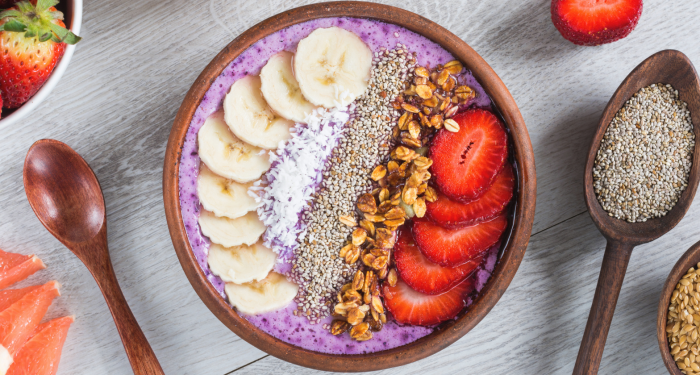
I use frozen fruit in smoothies, obviously, but also in oatmeal, chia pudding, and even as a topping for pancakes. You can buy it in bulk, it's usually cheaper than fresh, and you never have that moment of opening the container to find mold.
The texture thing people worry about? Doesn't matter when you're blending it or cooking it. And honestly, frozen blueberries in oatmeal taste exactly like fresh ones.
6. Eating dinner for breakfast
Somewhere along the way, we decided that certain foods are only acceptable at certain times. But leftover stir-fry or a bowl of soup is often more satisfying than cereal, and it's already made.
I started eating savory breakfasts a few years ago, and it completely changed my mornings. Last night's roasted vegetables with some avocado? Perfect. That extra serving of pasta? Great. You're not making anything new, just reheating something that already exists.
This works especially well if you're someone who doesn't love traditional breakfast foods. You're not breaking any rules. You're just eating food when you're hungry.
7. Having a default restaurant order
People think being vegan means carefully studying every menu and asking a million questions. Sometimes, sure. But once you've been to a place once, you can just order the same thing every time.
I know exactly what I'm getting at my regular spots. No menu anxiety, no decision paralysis, no wondering if something has hidden dairy. I walk in, order the thing I know works, and move on with my life.
This especially helps at places you go frequently. Your local Thai place, your work lunch spot, your airport terminal. Figure it out once, then put it on autopilot.
8. Keeping emergency meals in the freezer
The real reason people break their eating habits isn't lack of willpower. It's lack of options when they're tired and hungry. If there's nothing easy available, you're going to order something or eat whatever's around.
I always have a few frozen meals stashed away. Not as my primary food source, but as a backup plan. Amy's burritos, frozen veggie burgers, a bag of dumplings. Something I can heat up in five minutes when cooking feels impossible.
This removes the pressure to be perfect. You don't have to cook from scratch every night. You just need something decent available when you need it.
9. Saying yes to repetition
Diet culture tells us we need variety and excitement at every meal. But in reality, most people eat the same 10 foods in rotation anyway. Embracing that instead of fighting it makes everything easier.
I eat a lot of the same meals every week. Not because I'm disciplined or boring, but because I've found things I like that are easy to make. When you stop trying to be creative all the time, you stop burning energy on planning and decision-making.
There's a reason restaurants have set menus. Repetition creates efficiency. Once you know how to make something well and you enjoy eating it, there's no rule that says you need to constantly reinvent your dinner routine.
Final thoughts
The habits that sound the most restrictive or boring are often the ones that create the most freedom. When you automate the small decisions, you have more energy for the things that actually matter.
You don't need to implement all of these at once. Pick one that sounds doable and try it for a week. See if it actually makes your life easier. My guess is that removing one source of friction will feel better than you expect.
The goal isn't perfection or some idealized version of plant-based eating. It's finding a sustainable rhythm that doesn't require constant effort. That's what actually lasts.
If You Were a Healing Herb, Which Would You Be?
Each herb holds a unique kind of magic — soothing, awakening, grounding, or clarifying.
This 9-question quiz reveals the healing plant that mirrors your energy right now and what it says about your natural rhythm.
✨ Instant results. Deeply insightful.