That $12 jar of ancient grains at Whole Foods? Your grandma called it dinner and it cost 47 cents.
Walk into any health food store and you'll find shelves packed with "superfoods" that cost more per ounce than decent wine.
The marketing promises longevity, vitality, and probably a better credit score. But here's the thing: your grandparents were already eating most of this stuff. They just called it lunch.
Before wellness became an industry, people ate these foods because they were cheap, filling, and available. No one was posting about their overnight oats or calling lentils a "plant-based protein powerhouse." They were just eating. Let's look at nine foods that got a serious rebrand.
1. Oats (now marketed as overnight oats, oat milk, ancient grains)
Your grandparents ate oatmeal because a giant container cost next to nothing and kept you full until lunch. Now we've got steel-cut, overnight, and superfood varieties with chia seeds and adaptogens.
Oats have always been great. High in fiber, decent protein for a grain, and versatile enough to go sweet or savory. The difference is that a bowl of oatmeal used to cost pennies. Now a single-serve packet of artisanal oats with freeze-dried berries runs you three bucks.
The nutrition hasn't changed. Just the packaging and the price tag.
2. Lentils (now marketed as plant-based protein, pulse power)
Lentils were poverty food in a lot of cultures, which is exactly why they showed up on dinner tables constantly. They're stupid cheap, cook fast, and pack serious protein and iron.
Now they're a cornerstone of plant-based eating, featured in $15 bowls at fast-casual chains. Food brands love talking about their "complete amino acid profile" and "sustainable protein source." All true, but your grandma knew that already. She just didn't have an Instagram account to share it on.
A bag of lentils still costs less than a fancy coffee. The wellness industry just convinced us to pay someone else to cook them.
3. Sauerkraut (now marketed as probiotic powerhouse, gut health essential)
Fermented cabbage used to be how people preserved vegetables before refrigeration existed. It sat in jars in the basement, cost almost nothing to make, and lasted forever.
Fast forward to now and suddenly it's a probiotic miracle food. Wellness brands sell tiny jars for $8, talking about gut microbiome and digestive health like they discovered something new. Spoiler: they didn't.
The bacteria that make sauerkraut healthy are the same ones that kept it from rotting in your great-grandmother's cellar. We just gave them a fancier name and a markup.
4. Beans (now marketed as fiber-rich superlegumes, longevity food)
Beans were the ultimate budget stretcher. Dry beans cost pennies per pound and could feed a family for days. Every culture has bean dishes because they're available everywhere and keep you alive.
Now we've got articles about Blue Zones and how beans are the secret to living past 100. We've got fancy heirloom varieties at farmers markets for $12 a pound. The humble pinto bean got a glow-up.
They're still the same nutritional powerhouses they always were. High protein, high fiber, dirt cheap. We just needed Silicon Valley to validate them first.
5. Cabbage (now marketed as cruciferous vegetable, cancer-fighting food)
Cabbage was the vegetable that grew when nothing else would. It stored well, cost nothing, and could stretch into a million different dishes. Coleslaw, cabbage rolls, stir-fries, soups.
Now it's a cruciferous superfood packed with antioxidants and anti-inflammatory compounds. Nutritionists love it. Wellness bloggers put it in everything. You can buy pre-shredded organic cabbage for five times the price of a whole head.
Your grandparents ate it because it was there and it was cheap. Turns out that was the right call all along.
6. Walnuts (now marketed as omega-3 brain food, heart-healthy snack)
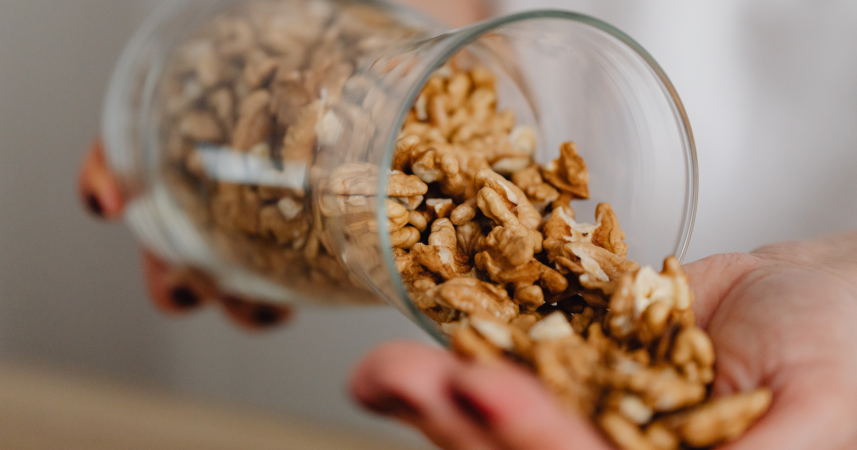
Walnuts grew on trees in backyards. People cracked them while watching TV, tossed them in salads, baked them into bread. They were free food if you had a tree, cheap if you didn't.
Now they're brain food, packed with omega-3s and antioxidants. A small bag of organic walnuts at Whole Foods costs $10. Food writers call them "nature's multivitamin." Your grandpa called them "those things from the tree out back."
The nutrition science is real. Walnuts are genuinely good for you. But they always were, even before we knew why.
7. Mushrooms (now marketed as adaptogens, immune boosters, nootropics)
Regular button mushrooms showed up in every casserole and pasta dish. They were cheap, available year-round, and added bulk to meals. Nobody thought twice about them.
Now mushrooms are having a moment. Shiitake, maitake, lion's mane. Wellness brands are putting mushroom powder in coffee and selling it as cognitive enhancement. Some of this is legit science, some is marketing magic.
But even basic mushrooms are nutritional overachievers. B vitamins, selenium, antioxidants. Your grandma's cream of mushroom soup was accidentally functional food.
8. Prunes (now marketed as digestive health, bone density support)
Prunes were what old people ate to stay regular. That was the whole reputation. Dried plums in a box, medicinal and unsexy.
Now they're being rebranded as a bone health superfood, packed with vitamin K and boron. Some brands dropped the word "prune" entirely and went back to calling them dried plums to escape the stigma.
The fruit didn't change. Just our willingness to pay attention to it. Turns out the old people were onto something beyond just fiber.
9. Blackstrap molasses (now marketed as iron supplement, mineral-rich sweetener)
Molasses was a baking staple and a cheap sweetener. It showed up in gingerbread, baked beans, and brown bread. Dark, thick, and intensely flavored.
Now it's sold in health food stores as a natural iron supplement and mineral source. A tablespoon gives you 20% of your daily iron, plus calcium, magnesium, and potassium. Wellness sites call it "liquid minerals."
Your grandparents used it because sugar was expensive and molasses was a byproduct of sugar production. Waste not, want not. They got their iron supplementation by accident.
Final thoughts
There's nothing wrong with recognizing the nutritional value of foods we've always had. Science helps us understand why these foods work, and that's genuinely useful. But it's worth remembering that people thrived on this stuff long before anyone called it a superfood.
The wellness industry didn't discover these foods. It repackaged them, marked them up, and sold them back to us with better branding. Your grandparents were eating plant-based, whole food, nutrient-dense meals because that's what was available and affordable.
Maybe the real superfood was just eating simple, unprocessed ingredients all along. No marketing required.
What’s Your Plant-Powered Archetype?
Ever wonder what your everyday habits say about your deeper purpose—and how they ripple out to impact the planet?
This 90-second quiz reveals the plant-powered role you’re here to play, and the tiny shift that makes it even more powerful.
12 fun questions. Instant results. Surprisingly accurate.