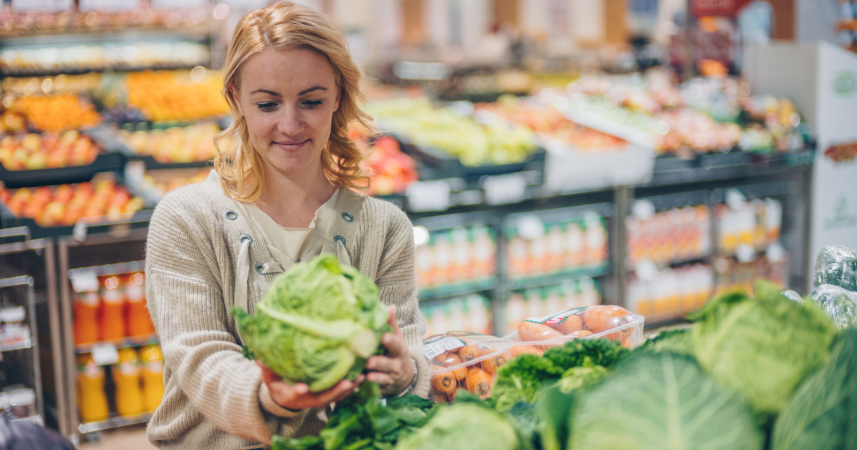
The same foods your grandparents bought at the corner store for pennies now cost $12 at upscale markets with fancy labels.
Walk into any Whole Foods and you'll spot them: foods that used to be the cheapest things in the grocery store, now rebranded as premium wellness products with price tags that would make your grandma faint.
We're talking about the same ingredients working-class families relied on in the 1960s because they were affordable, filling, and didn't require refrigeration.
The shift is wild when you think about it. These foods haven't changed. They're still the same beans, grains, and vegetables. But somewhere between then and now, they got a glow-up, complete with minimalist packaging and words like "ancient" and "superfood" slapped on the label.
Let's look at eight items that made the journey from budget staple to bougie status symbol.
1. Lentils
Your grandmother probably bought lentils in bulk from a barrel at the corner store for about 15 cents a pound.
They were protein for people who couldn't afford meat every night. Fast forward to today, and you'll find French green lentils at Whole Foods for $8.99 a pound, marketed as a high-protein superfood for the wellness crowd.
The funny part? They're the exact same legume. Sure, some varieties cost more to import, but regular brown lentils are still dirt cheap at ethnic grocery stores. The difference is all in the branding and the neighborhood where you're shopping.
Lentils were never fancy. They were what you ate when money was tight, and honestly, that's still their superpower. They just got a PR team.
2. Oats
Steel-cut oats are having a moment, selling for $12 a canister at upscale markets. But in the 60s, oats were what you fed your kids before school because a giant container cost less than a dollar and lasted all month. No one was Instagramming their oatmeal or adding adaptogenic mushroom powder.
The steel-cut versus rolled oat debate is mostly marketing. Yes, there's a texture difference, but nutritionally they're nearly identical. Your grandpa ate rolled oats with some brown sugar and was perfectly happy. Now we've got overnight oats with chia seeds and goji berries presented in mason jars like they're fine dining.
The base ingredient costs pennies. The aesthetic costs $12.
3. Cabbage
Cabbage was the vegetable of the people. Cheap, stored well without refrigeration, and stretched into a million meals. A whole head cost maybe 10 cents in the 60s. Working families made it last all week in soups, slaws, and stir-fries.
Now? Purple cabbage shows up in $15 grain bowls at trendy lunch spots. It's the same vegetable, just shredded over quinoa instead of boiled with potatoes. Fermented cabbage (aka sauerkraut) went from working-class side dish to $9 artisanal probiotic in a fancy jar.
The transformation is pure marketing genius. Take the humblest vegetable in the produce section, pair it with Instagram-worthy ingredients, and suddenly it's wellness food. Your great-aunt would be so confused.
4. Dried beans
Pinto beans, black beans, navy beans. These were poverty food, plain and simple. A pound of dried beans cost about 20 cents and could feed a family for days. They were filling, nutritious, and required nothing but water and time to prepare.
Today, heirloom beans from specialty purveyors sell for $8 to $12 per pound at farmers markets and upscale grocers. They come with tasting notes like wine. Rancho Gordo turned beans into a lifestyle brand, and honestly, good for them. But let's be real about what happened here.
The beans got prettier packaging and a backstory. They're still just beans. Delicious, protein-packed, planet-friendly beans that used to be the cheapest thing you could buy.
5. Nutritional yeast
This one's a bit different because it wasn't a mainstream staple, but it was cheap as dirt at health food stores in the 60s and 70s. Hippies and vegetarians bought it in bulk for pennies because it added a cheesy flavor to food and had B vitamins.
Now nutritional yeast is a trendy vegan ingredient, often sold in small containers for $10 or more at places like Whole Foods. It's the same product. Same flavor, same nutrition. But the audience shifted from counterculture types to mainstream wellness consumers.
The price jumped because demand increased and because upscale stores can charge more. You can still find it cheap at bulk stores, but most people don't know to look there. They just grab the branded container and pay the premium.
6. Tahini
Middle Eastern and Mediterranean families have been making tahini forever. It was an everyday ingredient, not exotic or expensive. In immigrant communities in the 60s, you could buy a jar for under a dollar at specialty shops.
These days, artisanal tahini sells for $15 a jar at Whole Foods. It's positioned as a gourmet ingredient, essential for your Buddha bowls and homemade hummus. Food bloggers write entire posts about finding the perfect tahini, comparing brands like they're wine sommeliers.
Meanwhile, you can still walk into a Middle Eastern grocery store and buy excellent tahini for $5. The ingredient didn't change. The marketing did, and so did the zip code where it's being sold.
7. Bulgur wheat
Bulgur was a staple grain in working-class Middle Eastern and Mediterranean households. It's wheat that's been parboiled and cracked, so it cooks fast and stores forever. Perfect for families on a budget who needed filling meals quickly.
Now it shows up in $14 grain bowls at fast-casual restaurants and sells for $6.99 a pound at upscale markets. It's marketed as an ancient grain, which is technically true but also hilarious because it was never trying to be anything other than cheap, practical food.
You can still find bulgur for $2 a pound at ethnic grocery stores. Same product, different aisle, wildly different price. The gentrification of grains is real.
8. Chickpeas
Dried chickpeas were working-class fuel. They cost almost nothing, lasted forever in the pantry, and turned into filling meals with minimal effort. Canned chickpeas were a convenience splurge at maybe 15 cents a can.
Today, chickpeas are everywhere in the wellness world. Roasted chickpea snacks sell for $5 a bag. Chickpea pasta costs $4.99 a box. Aquafaba (the liquid from canned chickpeas that people used to pour down the drain) is now a trendy egg replacer with its own hashtag.
The humble chickpea got a complete rebrand. Same legume your grandmother bought in bulk, now positioned as a protein-packed superfood for the yoga crowd. The markup is impressive, you have to admit.
Final thoughts
Here's the thing: I'm not mad that these foods got popular. More people eating plants is good for animals and the planet, full stop. And yeah, some of the pricier versions are legitimately higher quality or support small farmers doing good work.
But it's worth remembering that these ingredients were survival food for working families. They were cheap because they had to be. The fact that they're now status symbols says more about food marketing and economic inequality than it does about the foods themselves.
Next time you're at Whole Foods dropping $50 on ingredients your grandparents bought for $5, maybe swing by an ethnic grocery store or buy in bulk. These foods are still affordable if you know where to look. They never stopped being the people's food. We just forgot.
If You Were a Healing Herb, Which Would You Be?
Each herb holds a unique kind of magic — soothing, awakening, grounding, or clarifying.
This 9-question quiz reveals the healing plant that mirrors your energy right now and what it says about your natural rhythm.
✨ Instant results. Deeply insightful.