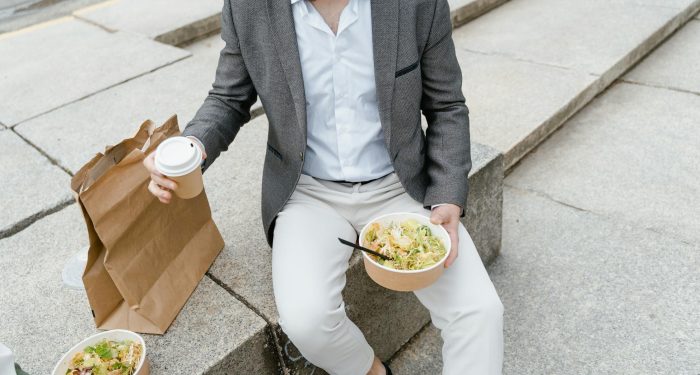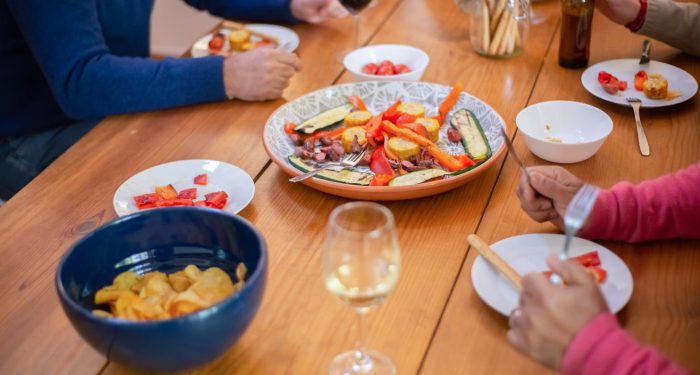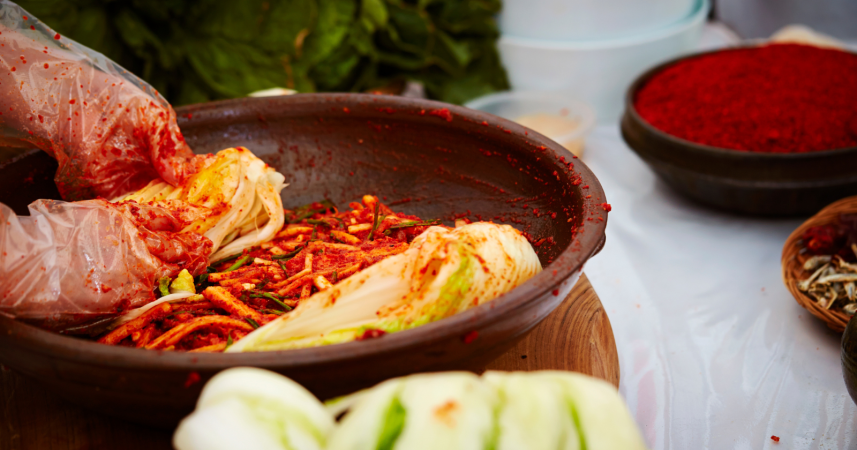
Long before açaí bowls hit Instagram, families around the world were building meals around these humble, powerful ingredients.

Add VegOut to your Google News feed. 
Somewhere between the quinoa rebrand and the goji berry gold rush, we forgot something important. The most nutritious plant foods on the planet have been sitting in abuela's cabinet, in nani's kitchen, in halmoni's ceramic jars for longer than any of us have been alive.
These ingredients never needed a marketing team or a high-end price tag.
What fascinates me is how behavioral science explains this. We're wired to value novelty and scarcity, which is why a $12 bag of imported seeds feels more special than a $2 bag of lentils.
But research from Harvard's School of Public Health consistently shows that traditional plant-based diets from cultures around the world deliver remarkable health outcomes. The ingredients aren't exotic. They're just old. And old doesn't trend on TikTok.
Here are seven pantry staples that immigrant families have trusted for generations, no wellness influencer required.
1. Dried beans and lentils
Walk into any kitchen where food budgets matter and you'll find bags of dried legumes. Black beans in Mexican households. Red lentils in South Asian kitchens. Cannellini beans in Italian pantries. These aren't backup ingredients. They're the foundation.
The beauty of dried beans is their patience. They wait for you. No rush to use them before they spoil, no guilt when life gets busy. A single bag becomes soup, stew, curry, or a simple pot of beans with rice. That combination, by the way, creates a complete protein that rivals any fancy plant-based powder.
My grandmother never called her dal a superfood. She called it Tuesday.
2. Rice in all its forms
White rice gets a bad reputation in wellness circles, which always strikes me as a little culturally tone-deaf. Billions of people have thrived on rice-based diets for thousands of years. Brown rice, white rice, jasmine, basmati, short-grain, long-grain. Each variety tells a story of place and tradition.
Rice is the ultimate team player. It absorbs flavors, stretches meals, and provides steady energy. In Korean households, nurungji (the crispy rice at the bottom of the pot) becomes a snack or gets turned into tea. Nothing wasted, everything honored.
The key is context. Rice alongside vegetables, beans, and fermented foods works differently in your body than rice alongside processed everything. Traditional diets understood this balance intuitively.
3. Tahini and sesame seeds
Before almond butter became a personality trait, there was tahini. Middle Eastern and Mediterranean families have been grinding sesame seeds into paste for centuries. It shows up in hummus, halva, dressings, and sauces.
Sesame seeds pack serious nutritional density. Calcium, iron, healthy fats, and a rich, nutty flavor that makes everything taste more interesting. A jar of tahini in your pantry means you're always ten minutes away from a decent sauce.
The best part? Tahini costs a fraction of trendy nut butters and lasts forever. Immigrant families figured out the economics of nutrition long before meal-prep influencers started posting spreadsheets.
4. Fermented vegetables
Kimchi. Sauerkraut. Pickled everything. Before we understood the gut microbiome, families across cultures were fermenting vegetables out of necessity. No refrigeration? No problem. Salt, time, and beneficial bacteria handled preservation.
Studies on fermented foods now confirm what these families knew instinctively: eating them regularly supports digestive health and may reduce inflammation. But Korean grandmothers weren't reading studies. They were making kimchi because that's what you do in autumn.
The fermentation tradition spans continents. Indian achaar, Japanese tsukemono, Eastern European pickles. Different vegetables, same wisdom. Preserve the harvest, feed the family, keep everyone healthy through winter.
5. Dried chilies and spice blends
Spices do more than add flavor. They've historically served as medicine, preservative, and cultural identity all in one. Turmeric in Indian cooking. Dried chilies in Mexican cuisine. The ras el hanout blends of North Africa.
What's interesting is how many traditional spices have genuine bioactive compounds. Turmeric's curcumin, ginger's gingerols, the capsaicin in chilies. These aren't wellness discoveries. They're rediscoveries of what traditional cooks always knew.
A well-stocked spice shelf transforms simple ingredients into something worth eating. Beans become exciting. Rice becomes memorable. Vegetables become the main event. That's the real magic of immigrant pantries: making a lot out of a little.
6. Coconut in every form
Dried coconut, coconut milk, coconut oil. In tropical regions from Southeast Asia to the Caribbean to West Africa, coconut has been a dietary staple forever. It provides fat, flavor, and versatility in cuisines where dairy wasn't traditionally available.
The Western wellness world discovered coconut about fifteen years ago and immediately made it weird. Suddenly coconut oil was either a miracle cure or a heart attack in a jar, depending on which headline you read that week.
Meanwhile, families in Kerala and the Philippines kept cooking the way they always had. Moderate amounts, balanced with vegetables and whole foods, passed down through generations. Context matters more than any single ingredient.
7. Leafy greens, dried or fresh
Every culture has its greens. Collards in the American South, originally brought from Africa. Callaloo in the Caribbean. Mustard greens in Chinese cooking. Spinach and fenugreek leaves in Indian cuisine. Dried greens stored for winter in countless traditions.
Research links leafy green consumption to better cognitive health and reduced disease risk. But again, this validates what traditional diets already practiced. Greens weren't a health food. They were just food.
The immigrant pantry often includes dried greens for times when fresh isn't available. Practical, economical, and nutritious. No fancy packaging required.
Final thoughts
There's something a little uncomfortable about watching foods get "discovered" by wellness culture when they've sustained families for generations. The discovery often comes with a price markup and a rebrand that erases the original context.
But here's the hopeful part. These ingredients remain accessible. You can walk into most grocery stores and find dried beans, rice, tahini, and spices at reasonable prices. The wisdom of immigrant pantries isn't locked behind a paywall or a subscription box.
The next time you're tempted by whatever superfood is trending this month, maybe check your pantry first. The humble stuff in the back, the ingredients that don't photograph well, might be exactly what generations of families have known all along.
Good food doesn't need to be complicated. It just needs to be real.
What’s Your Plant-Powered Archetype?
Ever wonder what your everyday habits say about your deeper purpose—and how they ripple out to impact the planet?
This 90-second quiz reveals the plant-powered role you’re here to play, and the tiny shift that makes it even more powerful.
12 fun questions. Instant results. Surprisingly accurate.