These simple switches will shrink your carbon footprint and fatten your wallet without making you feel like you're sacrificing anything.
Look, I get it. The narrative around plant-based eating often sounds expensive. Cashew cheese costs what now? But here's the thing nobody talks about: most plant-based swaps actually save you money once you stop buying the fancy Instagram versions and start cooking like a normal person.
I've been tracking my grocery spending for years (behavioral science nerd, remember?), and these ten swaps consistently show up as both environmental wins and budget heroes. No spirulina required.
1. Dried beans instead of canned anything
A pound of dried beans costs maybe two bucks and makes the equivalent of four cans. You're looking at 75% savings right there. Plus, way less packaging ending up in landfills.
The secret? Your Instant Pot or a slow cooker. Soak them overnight, cook them while you're doing literally anything else, then freeze portions in old containers. It's the meal prep equivalent of finding money in your jacket pocket.
Black beans, chickpeas, pintos. They all work. And they taste better than canned because you control the salt and seasoning.
2. Oat milk you make yourself
Store-bought oat milk runs about five dollars a carton. Homemade costs maybe 30 cents. The math is almost offensive.
Blend a cup of oats with four cups of water for 30 seconds. Strain through a kitchen towel or nut milk bag. Done. The whole process takes five minutes, and you're not recycling another Tetra Pak.
Pro move: save the leftover oat pulp for smoothies or baking. Now you're basically a zero-waste influencer, except you're actually saving money instead of spending it on aesthetic storage containers.
3. Nutritional yeast instead of fancy vegan cheese
That artisan cashew cheese wheel? Twelve dollars. A container of nutritional yeast that lasts three months? Seven dollars. Both give you that umami, cheesy situation you're craving.
Nooch (yeah, we call it that) works on popcorn, pasta, roasted vegetables, basically anywhere you want a savory punch. It's fortified with B12, so you're knocking out nutrition goals too.
The environmental angle: way less processing, way less packaging, way fewer resources than producing even plant-based cheese alternatives. Sometimes the simplest swap wins on every metric.
4. Bulk spices and herbs
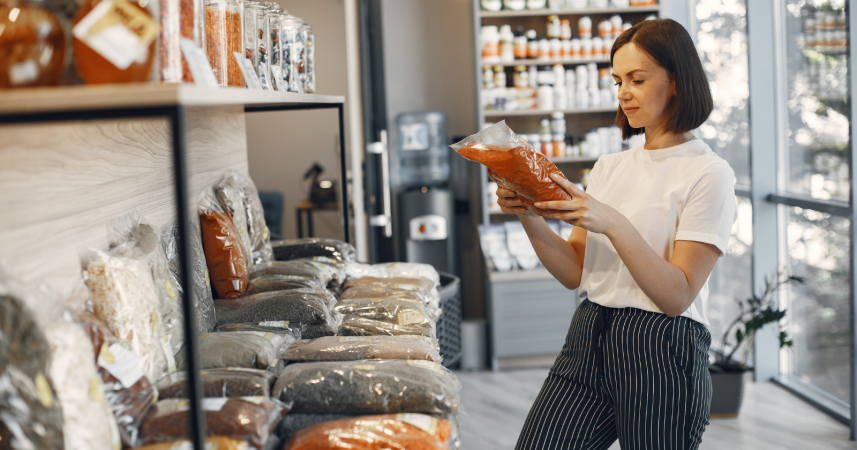
Those little glass jars of spices at the grocery store are a scam. You're paying for the jar, the label design, the marketing team's salaries. The actual spice inside costs pennies.
Hit up the bulk section or an ethnic grocery store. Buy exactly what you need. Cumin, turmeric, coriander. You'll pay a fraction of the price and avoid all that packaging waste.
Fresh herbs? Grow them on your windowsill. Basil, cilantro, and parsley are basically indestructible. You'll use them more often because they're right there, and you'll stop throwing away those sad plastic clamshells from the store.
5. Whole grains bought in bulk
Rice, quinoa, farro, barley. All cheaper and more eco-friendly when you buy them from bulk bins instead of those little boxes with the cooking instructions you never read anyway.
A pound of bulk brown rice might cost a dollar. That same amount in packaged form? Three or four dollars, plus a box that goes straight to recycling. The grain doesn't know it's supposed to cost more.
Store them in old glass jars (pasta sauce containers work great). You'll feel very organized, and you'll actually remember to cook them because you can see what you have.
6. Vegetable broth from scraps
Why are we buying boxes of vegetable broth when we're literally throwing away the ingredients every week? Onion skins, carrot tops, celery leaves, mushroom stems. All of it makes incredible stock.
Keep a bag in your freezer. Toss in veggie scraps as you cook. When it's full, simmer everything with water and herbs for an hour. Strain it, freeze it in portions.
You've just turned garbage into something you used to pay four dollars a box for. And you've reduced food waste, which is one of the biggest contributors to climate change. Winning on multiple levels.
7. Tofu instead of fancy meat alternatives
Those bleeding burgers and chicken nuggets that taste like the real thing? They're engineering marvels, sure. They're also six to eight dollars a package. Regular tofu costs two dollars and has been perfected over literally thousands of years.
Press it, season it, cook it right. It's not trying to be chicken. It's its own thing, and once you stop expecting it to taste like meat, you realize it's actually delicious.
The environmental math: way less processed, way fewer ingredients, significantly smaller carbon footprint. Sometimes the old-school option is the right option.
8. Seasonal produce from farmers markets
Counterintuitive, I know. Farmers markets feel expensive. But if you shop what's actually in season and abundant, you'll find deals that make the grocery store look silly.
Late summer tomatoes, fall squash, spring greens. When there's a lot of something, prices drop. Plus you're supporting local agriculture and cutting out the transportation emissions from shipping produce across continents.
Talk to the farmers at the end of the day. They often discount stuff rather than pack it back up. I've gotten flats of strawberries for five bucks that I turned into jam that lasted months.
9. Peanut butter instead of almond butter
Almond butter is trendy. It's also expensive and almonds are water-intensive crops mostly grown in drought-prone California. Peanuts use way less water and cost half as much.
The protein content is nearly identical. The taste is different but not worse, just different. And honestly, on toast with banana, you're not going to miss the almond situation.
This one's about being okay with the less trendy option. Peanut butter doesn't photograph as well for Instagram, but your wallet and the Colorado River will thank you.
10. Tap water in a reusable bottle
The most obvious swap that somehow still needs saying. Bottled water costs roughly 2,000 times more than tap water. The plastic waste is staggering. The carbon footprint of production and transportation is absurd.
Get a decent reusable bottle. If your tap water tastes weird, get a filter. You'll still come out way ahead financially, and you'll stop contributing to the literal islands of plastic floating in the ocean.
This one feels too simple to count, but it might be the highest-impact swap on this entire list. Sometimes the boring answer is the right answer.
Final thoughts
The expensive plant-based stereotype exists because we've been sold the idea that ethical eating requires specialty products. But the most sustainable foods are usually the cheapest: beans, grains, seasonal vegetables, water.
These swaps aren't about deprivation. They're about recognizing that the food industry has convinced us to pay extra for convenience and packaging we don't need. Once you see it, you can't unsee it.
Start with one or two swaps. See how much you save in a month. Then maybe try another. You're not just helping the planet. You're keeping more money for the stuff that actually matters to you. That's not a compromise. That's just smart.
What’s Your Plant-Powered Archetype?
Ever wonder what your everyday habits say about your deeper purpose—and how they ripple out to impact the planet?
This 90-second quiz reveals the plant-powered role you’re here to play, and the tiny shift that makes it even more powerful.
12 fun questions. Instant results. Surprisingly accurate.