These plant-based protein powerhouses deliver serious nutrition without the environmental baggage of animal products.
Let's talk about the protein question. You know the one. The moment someone learns you're vegan, they suddenly become a concerned nutritionist. "But where do you get your protein?" It's almost sweet, really. Almost.
Here's the thing though. The science is pretty clear that plant-based eaters can hit their protein targets without much trouble.
A position paper from the Academy of Nutrition and Dietetics confirms that well-planned vegan diets provide adequate protein for all stages of life. The key word is "well-planned," which just means knowing your options.
And your options? They're better than you might think. Some of these foods pack more protein per calorie than beef, with none of the cholesterol and a fraction of the environmental impact. So let's break down ten plant-based protein sources that genuinely deliver.
1. Tempeh
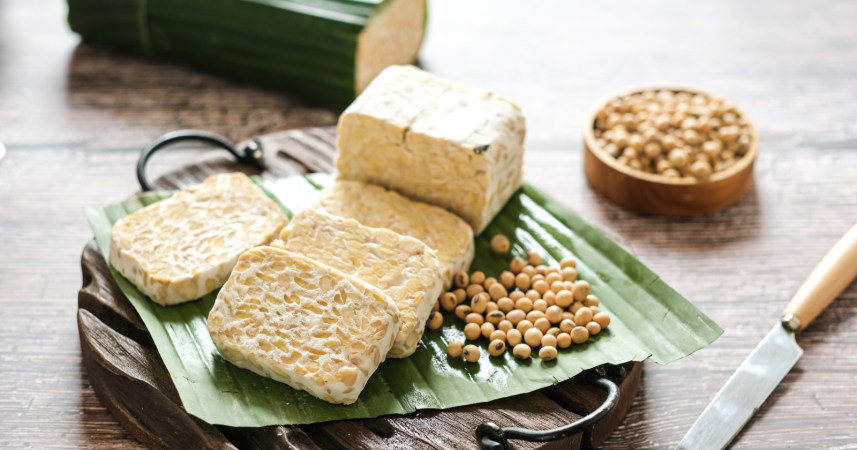
Tempeh is the overachiever of the plant protein world. Made from fermented soybeans, it packs around 20 grams of protein per 100-gram serving. That's comparable to chicken breast, but with the added bonus of gut-friendly probiotics from the fermentation process.
The texture is firm and slightly nutty, which makes it perfect for grilling, stir-frying, or crumbling into tacos. Unlike tofu, tempeh holds its shape and absorbs marinades like a sponge. It's also a complete protein, meaning it contains all nine essential amino acids your body can't produce on its own.
If you've tried tempeh once and weren't impressed, give it another shot with a proper marinade. Soy sauce, maple syrup, and a little smoked paprika can transform it into something genuinely crave-worthy.
2. Seitan
Seitan is basically wheat gluten that's been shaped into something resembling meat. And with 25 grams of protein per 100-gram serving, it's one of the most protein-dense plant foods available. The texture is remarkably meat-like, which makes it popular in vegan deli slices and mock meats.
Now, obviously this one's off the table if you have celiac disease or gluten sensitivity. But for everyone else, seitan is a versatile protein source that takes on whatever flavors you throw at it. It's been a staple in Asian cuisines for centuries, long before the Western world discovered it.
You can buy it pre-made or make your own from vital wheat gluten. Homemade versions let you control the seasonings and texture, which is worth the extra effort if you're into kitchen experiments.
3. Lentils
Lentils are the quiet workhorses of plant-based eating. One cup of cooked lentils delivers about 18 grams of protein, plus a hefty dose of fiber and iron. They're also ridiculously cheap and cook faster than most legumes, no soaking required.
Red lentils break down into a creamy texture, perfect for soups and dal. Green and brown varieties hold their shape better for salads and grain bowls. French lentils are the fancy ones, with a peppery flavor that works beautifully in warm salads.
The fiber content is worth mentioning too. That same cup of lentils gives you about 15 grams of fiber, which most people don't get enough of. Your gut microbiome will thank you.
4. Chickpeas
Chickpeas might be the most versatile legume in existence. Hummus, falafel, chana masala, roasted snacks, aquafaba for baking. The possibilities are genuinely endless. And with 15 grams of protein per cooked cup, they're pulling their nutritional weight.
Beyond protein, chickpeas are loaded with folate, manganese, and iron. They have a mild, slightly nutty flavor that plays well with bold spices. This is probably why they're a staple across Middle Eastern, Indian, and Mediterranean cuisines.
Canned chickpeas are perfectly fine nutritionally and save you the cooking time. Just rinse them to reduce the sodium content. And don't throw away that liquid. Aquafaba whips up into meringues and mayo that'll genuinely surprise you.
5. Edamame
Edamame are young soybeans, usually served steamed with a sprinkle of sea salt. One cup of shelled edamame contains about 17 grams of complete protein. They're also one of the few plant foods that rival meat in terms of protein quality.
The convenience factor is huge here. You can buy them frozen, steam them in five minutes, and have a protein-rich snack ready to go. They work great tossed into salads, grain bowls, or stir-fries for an easy protein boost.
Edamame also contains isoflavones, which research suggests may support heart health and bone density. Despite outdated concerns about soy, the current scientific consensus is that whole soy foods are safe and beneficial for most people.
6. Hemp seeds
Hemp seeds are tiny nutritional powerhouses. Three tablespoons deliver 10 grams of complete protein, plus a solid dose of omega-3 fatty acids. They have a mild, slightly nutty flavor that won't overpower whatever you add them to.
The omega-3 content is particularly notable for vegans, since most plant foods don't provide much of this essential fat. Hemp seeds contain both omega-3 and omega-6 in a favorable ratio, which supports brain health and reduces inflammation.
Sprinkle them on oatmeal, blend them into smoothies, or toss them on salads. They're soft enough to eat without any preparation, which makes them one of the easiest protein additions to your daily routine. No cooking, no soaking, just eat.
7. Black beans
Black beans are a staple for good reason. One cup cooked gives you about 15 grams of protein, plus fiber, iron, and antioxidants. The deep purple-black color comes from anthocyanins, the same compounds that make blueberries a superfood.
They're incredibly budget-friendly and shelf-stable, making them a smart pantry staple. Black beans work in everything from tacos and burritos to soups, salads, and even brownies. Yes, black bean brownies are a thing, and they're surprisingly good.
Pair black beans with rice and you've got a complete protein combination that's sustained cultures across Latin America for generations. Sometimes the simplest meals are also the smartest nutritionally.
8. Tofu
Tofu gets a bad reputation from people who've only had it prepared poorly. When done right, it's genuinely delicious. And with about 20 grams of protein per cup, it deserves a spot in your regular rotation.
The key is understanding the different textures. Silken tofu blends into smoothies, puddings, and creamy sauces. Firm and extra-firm varieties are better for stir-fries, scrambles, and grilling. Pressing out the excess water before cooking helps it crisp up and absorb more flavor.
I spent years thinking I didn't like tofu until I learned to press it properly and get a good sear in a hot pan. Game changer. A little cornstarch coating before frying creates an irresistible crispy exterior.
9. Nutritional yeast
Nutritional yeast is the secret weapon of vegan cooking. Two tablespoons provide about 8 grams of protein, plus it's typically fortified with B12, which vegans need to supplement. The flavor is savory and slightly cheesy, which explains why it shows up in so many vegan cheese recipes.
Sprinkle it on popcorn, stir it into pasta, or use it as a base for dairy-free sauces. It dissolves easily and adds a umami depth that makes food taste more satisfying. Once you start using it, you'll find excuses to add it to everything.
Look for brands that are fortified with B12 if you're relying on it as a source. Not all nutritional yeast contains B12, so check the label to make sure you're getting the full nutritional benefit.
10. Quinoa
Quinoa technically isn't a grain. It's a seed, but we cook it like a grain and it acts like one in recipes. One cup cooked provides about 8 grams of complete protein, making it one of the few plant foods with all essential amino acids.
It cooks in about 15 minutes and has a light, fluffy texture with a subtle nutty flavor. Use it as a base for grain bowls, stuff it into peppers, or serve it as a side dish instead of rice. It's also great cold in salads.
Rinse quinoa before cooking to remove the natural coating called saponin, which can taste bitter. Most packaged quinoa is pre-rinsed, but a quick rinse doesn't hurt and ensures a cleaner flavor.
Final thoughts
The protein question isn't really about protein at all. It's about unfamiliarity. Most people grew up centering meals around meat, so the idea of getting enough protein from plants feels foreign. But once you know your options, it becomes second nature.
These ten foods are just the starting point. Combine them throughout the day and you'll easily hit your protein needs without obsessing over numbers. A tempeh stir-fry for dinner, hemp seeds on your morning oatmeal, hummus with lunch. It adds up faster than you'd expect.
The environmental argument is worth mentioning too. Research published in Science found that plant-based proteins require significantly less land, water, and energy than animal proteins. So every time you choose lentils over beef, you're making a choice that extends beyond your own health.
Next time someone asks where you get your protein, you'll have plenty of answers. Maybe too many. Feel free to overwhelm them with options.
What’s Your Plant-Powered Archetype?
Ever wonder what your everyday habits say about your deeper purpose—and how they ripple out to impact the planet?
This 90-second quiz reveals the plant-powered role you’re here to play, and the tiny shift that makes it even more powerful.
12 fun questions. Instant results. Surprisingly accurate.