Why certain flavors turn us into zealots or enemies.
Food preferences usually exist on a spectrum. Most of us tolerate things we don't love, politely pushing them around plates at dinner parties. But certain foods obliterate this middle ground. They create camps, divide families, turn rational people into evangelists or enemies. There's no "it's fine" with these foods—only devotion or disgust.
The science behind polarizing taste reactions goes beyond simple preference. Some foods trigger genetic responses, cultural memories, or survival instincts. They tap into something deeper than taste—they challenge what food should be. These seven have mastered the art of forcing everyone to pick sides.
1. Cilantro
Cilantro might be Earth's most genetically divisive food. For some, it's bright and essential to any decent taco. For others, it tastes like soap from a bathroom sink. This isn't drama—it's genetic programming.
About 14% of people have an OR6A2 gene variation that makes cilantro's aldehydes taste like detergent. No exposure changes this. You can't acquire a taste for soap. This genetic divide creates two culinary worlds: one where cilantro reigns, another where it's Satan's garnish.
2. Blue cheese
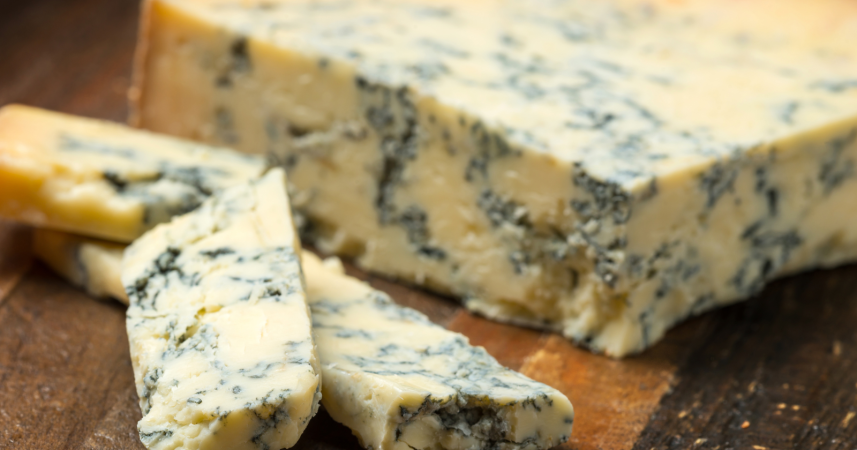
Blue cheese demands you make peace with eating mold—intentional, visible, blue-green veins running through your food. It's either sophisticated decadence or edible decay.
The Penicillium roqueforti creating blue cheese produces compounds triggering our disgust response—the one preventing us from eating spoiled food. Lovers override this ancient alarm. Haters trust their instincts. There's no middle ground when your brain screams about food safety.
3. Oysters
Oysters ask you to swallow the ocean while it's potentially still alive. They're either transcendent—briny silk, liquid tide—or like gulping a sneeze. Texture alone eliminates neutrality.
Beyond textural challenges, oysters carry psychological weight. They're luxury and poverty, aphrodisiac and food poisoning. Eating them requires surrender that chicken never demands. You either pay $36 a dozen or remain convinced everyone's pretending to like sea mucus.
4. Black licorice
Black licorice tastes like medicine and Christmas had an unwanted baby. Its compound glycyrrhizin is 50 times sweeter than sugar but tastes nothing like sweetness. It's botanical assault, not welcome.
Lovers describe depth, complexity, narcotic comfort. Haters taste cough syrup mixed with regret. The divide follows cultural lines—Northern Europeans treasure it; Americans use it for pranks. Red licorice doesn't count—that's strawberry plastic stealing licorice's name.
5. Durian
Durian is banned on Singapore public transport. Hotels prohibit it. Yet millions call it "king of fruits," paying premiums for prime specimens. To some, the smell evokes turpentine and gym socks; devotees taste heavenly custard.
First encounters determine everything. Expect fruit, and your brain short-circuits at sulfurous assault. Those raised with it interpret those same compounds as richness, not rot. There's no converting between camps—smell has already chosen sides.
6. Anchovies
Anchovies on pizza started more fights than pineapple ever could. These tiny fish pack umami bombs that either elevate everything or ruin it. They're concentrated sea MSG—pure savoriness without subtlety.
Lovers see them as flavor architecture, making other ingredients sing. Haters taste only salt and fish, overwhelming everything. The issue might be control: you can remove pepperoni, but anchovy essence penetrates. Once there, no going back.
7. Liver
Liver forces confrontation with what meat really is—organ that tastes like organ. Metallic, mineral-rich, aggressively itself. The iron content that makes it nutritious also makes it taste like batteries.
Lovers cite tradition, nutrition, primal connection to whole-animal eating. They've embraced intensity. Haters can't overcome psychological and sensory hurdles: texture both creamy and grainy, aftertaste lingering like threat. Calling it "pâté" fools nobody.
Final thoughts
These foods reveal how we experience taste—not just chemical reactions but genetics, culture, memory, and psychology colliding. The most divisive foods challenge boundaries: between fresh and spoiled, food and medicine, pleasure and disgust.
Polarization might be the point. In our focus-grouped flavor world, these foods refuse democratization. They demand you pick sides, defend positions, evangelize or condemn. They make eating interesting, turning dinner tables into battlegrounds.
Maybe we need these culinary extremists. They remind us taste is personal, not everything needs accessibility, some experiences are worth having even if half the world thinks you're insane. In divisiveness, they create community: fellow believers who understand yes, durian is worth it, or allies agreeing cilantro ruins everything. They're proof that in food, as in life, the interesting stuff happens at the extremes.
Just launched: Laughing in the Face of Chaos by Rudá Iandê
Exhausted from trying to hold it all together?
You show up. You smile. You say the right things. But under the surface, something’s tightening. Maybe you don’t want to “stay positive” anymore. Maybe you’re done pretending everything’s fine.
This book is your permission slip to stop performing. To understand chaos at its root and all of your emotional layers.
In Laughing in the Face of Chaos, Brazilian shaman Rudá Iandê brings over 30 years of deep, one-on-one work helping people untangle from the roles they’ve been stuck in—so they can return to something real. He exposes the quiet pressure to be good, be successful, be spiritual—and shows how freedom often lives on the other side of that pressure.
This isn’t a book about becoming your best self. It’s about becoming your real self.