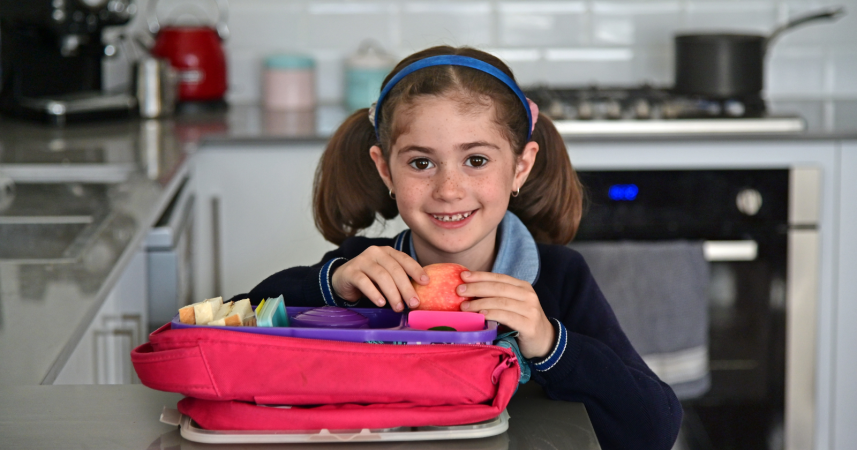
Childhood lunchboxes often revealed more than tastes—they quietly showed who had access to privilege.
Lunchboxes say a lot about childhood. They weren’t just containers filled with sandwiches and snacks; they were little time capsules of class, culture, and privilege.
Some kids pulled out simple PB&Js wrapped in wax paper, while others had a rainbow of pre-packaged snacks, fruit cups, and name-brand treats.
Looking back, it’s often clear who had access to more money and resources—because food was one of the earliest markers of privilege.
If you remember pulling any of these foods out of your lunchbox, chances are you were luckier than you realized. Here are eight telltale signs your lunch carried more privilege than most.
1. Lunchables
Remember the kids who peeled open those yellow plastic trays like they were unwrapping treasure?
Lunchables were the pinnacle of status at the cafeteria table. Crackers, processed cheese, a few slices of ham, and maybe a tiny Nestlé Crunch bar—it wasn’t gourmet, but it was magic to a third grader.
Buying Lunchables regularly meant your parents were willing to pay extra for convenience and branding. They weren’t cheap compared to a homemade sandwich, and that alone marked them as a privilege.
For many kids, just trading for one was a highlight of the week. If Lunchables were your normal Tuesday meal, you probably didn’t think twice about how special that was.
2. Capri Sun
Did you have the silver pouch that made you feel like you were holding space-age technology?
Capri Sun was more than juice—it was coolness in liquid form. Piercing that straw through the foil was a childhood rite of passage (and let’s be honest, a 50/50 chance of spilling it all over your shirt).
Plenty of kids grew up with tap water or a refillable bottle in their lunchbox. Having a Capri Sun every day showed that your family could afford the extras—the things that weren’t necessary, but made you stand out.
And if you were the kid with the variety pack at home, rotating between Pacific Cooler and Fruit Punch, you knew you were living large.
3. Fruit Roll-Ups
Unfurling a Fruit Roll-Up at the lunch table was a tiny performance. The way it stuck to your fingers, the way you could stretch it across your tongue—there was no dignified way to eat one, but that was the fun.
Buying these sugary sheets regularly meant your family could splurge on novelty snacks. Many households couldn’t justify spending money on something that was basically sugar in a different form.
So, if you always had Fruit Roll-Ups in your bag, it signaled access to a little extra comfort, a little extra fun, and yes—a little extra privilege.
4. Pre-sliced deli sandwiches
Here’s a question: did your sandwiches taste like they came from the corner deli rather than the family fridge?
If your turkey and cheese came neatly stacked on soft bread with crisp lettuce, instead of a hastily spread peanut butter sandwich, you were already in a different category.
For many families, sandwiches were bare-bones: peanut butter, jelly, maybe bologna. Having freshly sliced deli meat and cheese every day meant grocery budgets weren’t razor-thin.
It showed that your family prioritized (and could afford) higher-quality ingredients that made your lunchbox feel a little more special.
5. Yogurt tubes
Back in grade school, I begged my mom for Go-Gurt for months because every kid at my table seemed to have one.
I usually got plain yogurt scooped into a container from a larger tub. It did the job, but it didn’t feel the same as tearing open a brightly colored tube and squeezing it like edible toothpaste.
If you regularly had Go-Gurt in your lunchbox, it meant someone was shopping with an eye toward convenience and branding—again, things that cost more.
That small tube represented a tiny luxury that made you feel a little cooler than the kid with a mismatched Tupperware of generic yogurt.
6. Snack-size chip bags
Not every kid got to pop open a shiny little bag of Doritos, Cheetos, or Lay’s at lunch. Many had chips poured from a big bag into a container, or no chips at all.
Those tiny bags weren’t just snacks—they were signals that your family could buy in bulk, invest in variety packs, and spend money on individual servings instead of stretching one bag for the whole week.
At the cafeteria table, those little crinkly bags were often currency. Kids would swap them for cookies, candy, or even homework favors.
And if you had them every day, you probably didn’t realize how much of a privilege it was until years later.
7. Packaged desserts
Think Cosmic Brownies, Hostess CupCakes, or Little Debbie Zebra Cakes. These weren’t just desserts—they were events.
Pulling one out at lunch practically guaranteed that people would lean over, hoping you’d be in a trading mood.
For a lot of kids, sweets were rare or homemade. Having brand-name packaged desserts in your lunchbox every day was a clear sign of privilege.
It wasn’t only about the sugar hit; it was about the fact that your parents could afford to say yes to those colorful boxes at the store when others had to stick to the basics.
8. Fresh fruit that wasn’t an apple or banana
Here’s the ultimate lunchbox flex: fresh fruit that went beyond the basics.
If you had a little container of berries, sliced pineapple, or even a perfectly peeled orange, you were in another league. For many families, fresh fruit outside of apples and bananas was a treat, not a staple.
Packing that kind of variety showed both financial flexibility and time—two forms of privilege.
It also made your lunchbox look more colorful, more appealing, and, let’s be honest, more enviable to your classmates who were stuck with the same snack every day.
Final thoughts
The truth is, a lunchbox was never just about food. It was a quiet reflection of what went on at home—what your parents could afford, how much time they had, and whether they prioritized novelty or simplicity.
Looking back now, those shiny packages and colorful snacks stand out as markers of privilege, even if at the time they just felt like part of a normal day.
None of these foods made a child better or worse, but they did shape how we experienced school, friendships, and even our sense of belonging at the cafeteria table. When you realize that a Fruit Roll-Up or a Capri Sun could spark envy, it puts into perspective how deeply food connects to status and identity.
So if you grew up with these treats tucked neatly into your bag, it might be worth pausing with a little gratitude. After all, those lunchbox privileges weren’t universal—and remembering that can make you see your childhood with a new kind of clarity.
Just launched: Laughing in the Face of Chaos by Rudá Iandê
Exhausted from trying to hold it all together?
You show up. You smile. You say the right things. But under the surface, something’s tightening. Maybe you don’t want to “stay positive” anymore. Maybe you’re done pretending everything’s fine.
This book is your permission slip to stop performing. To understand chaos at its root and all of your emotional layers.
In Laughing in the Face of Chaos, Brazilian shaman Rudá Iandê brings over 30 years of deep, one-on-one work helping people untangle from the roles they’ve been stuck in—so they can return to something real. He exposes the quiet pressure to be good, be successful, be spiritual—and shows how freedom often lives on the other side of that pressure.
This isn’t a book about becoming your best self. It’s about becoming your real self.