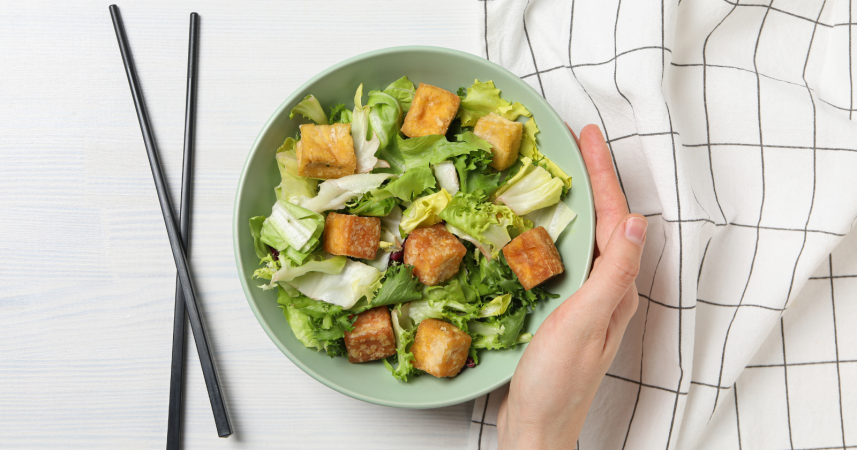
You don’t have to love tofu to go vegan—and here’s why.

Add VegOut to your Google News feed. 
Let me tell you something I probably shouldn’t admit as a lifelong plant-based cook: I didn’t fall in love with tofu right away.
In fact, when I first went vegan, tofu felt like the awkward plus-one to every meal. Spongy, bland, and hard to get right—especially without a culinary playbook. And judging by the way it gets side-eyed on social media, I know I’m not alone.
But here’s the truth: you can go plant-based without ever forcing yourself to like tofu. There are plenty of delicious, nutrient-rich protein sources out there that won’t leave you questioning your life choices or soaking bricks in soy sauce.
Whether you’re easing into vegan eating or fully committed but tofu-averse, here are seven protein-packed alternatives I always keep in my rotation—plus how to cook them so they actually taste good.
1. Lentils: the tiny legumes that do it all
Lentils are like the trusty cast iron pan of the plant world—humble, durable, and surprisingly versatile. They come in green, brown, red, and black varieties, each with its own vibe.
-
Green/brown lentils hold their shape, perfect for salads and veggie burgers.
-
Red lentils break down easily, ideal for soups and curries.
-
Black (beluga) lentils bring an earthy depth to grain bowls and warm salads.
Kitchen tip: Cook lentils with aromatics—think garlic, bay leaves, or onions—for built-in flavor. And don’t forget salt near the end of cooking to avoid toughening.
Why it matters: One cup of cooked lentils has about 18 grams of protein plus iron, fiber, and zinc. They’re also low-impact crops that enrich soil and require less water than animal protein.
2. Chickpeas: not just for hummus
Chickpeas are more than the base of your favorite dip. Roasted with spices, they’re crunchy snacks. Smashed with avocado and lemon? Instant sandwich filling. Folded into pasta, soup, or grain bowls, they bring satisfying heft.
My personal favorite: chickpea “tuna” salad with diced celery, vegan mayo, mustard, and a splash of pickle brine.
Quick trick: Keep canned chickpeas in the pantry and rinse well before using. Or cook from dry in big batches and freeze.
Climate bonus: Chickpeas are nitrogen-fixing plants, which means they help improve soil health naturally—no synthetic fertilizers required.
3. Tempeh: tofu’s cooler cousin
Made from fermented soybeans (sometimes with grains), tempeh has a firm texture and nutty flavor that holds up to pan-frying, grilling, and baking. It's like tofu, but with a degree in boldness.
Slice it thin and pan-sear with tamari, maple syrup, and smoked paprika for DIY bacon vibes. Or cube and sauté into grain bowls with peanut sauce.
Prep tip: Steam tempeh for 10 minutes before marinating to soften bitterness and help it absorb flavor more evenly.
Health edge: Tempeh is packed with probiotics from fermentation and clocks in at around 20g of protein per cup.
4. Seitan: for the savory seekers
If you're missing the chewy bite of meat, seitan (aka wheat meat) might be your jam. Made from wheat gluten, it’s high-protein and famously meaty in texture.
Grill it, pan-fry it, toss it in stir-fries, or slice into sandwiches. My favorite use? Sizzling fajitas with bell peppers, onions, and a smoky spice rub.
Culinary note: It’s not gluten-free, so skip this one if you’re celiac. But for others, it’s a great occasional protein that mimics meat with fewer resources and zero cholesterol.
Planet stats: Producing seitan has a fraction of the environmental impact of raising livestock—it requires 100x less land and significantly less water.
5. Hemp seeds: small but mighty
Tiny but nutritionally dense, hemp seeds are one of the few plant-based sources of complete protein—meaning they contain all nine essential amino acids.
I sprinkle them on everything: oatmeal, smoothie bowls, roasted veggies, avocado toast. They blend well into sauces too, adding creaminess without dairy.
Flavor tip: Lightly toast them in a dry skillet to deepen their nutty flavor. They add subtle crunch and a mild, earthy note.
Health factor: Three tablespoons offer around 10g of protein, plus omega-3s, magnesium, and iron—perfect for boosting meals without adding volume.
6. Black beans: the pantry MVP
From tacos to chili to rice bowls, black beans are endlessly adaptable. In my kitchen, they’re mashed into burger patties, folded into quesadillas, and even pureed with cocoa for surprisingly good brownies.
Flavor trick: Sauté onions, garlic, cumin, and oregano before adding your beans. Simmer with a splash of lime juice or veggie broth for richer flavor.
Why it works: Black beans are high in fiber and protein (around 15g per cup) and rich in antioxidants. They’re also inexpensive and shelf-stable—win-win.
7. Vegan protein powders: for backup fuel
Let’s be honest—some days, you’re not cooking anything. For those mornings, a scoop of vegan protein blended with oat milk, banana, and nut butter becomes a full-on breakfast.
Look for powders made from pea, brown rice, hemp, or pumpkin seed. Many are fortified with B12, iron, or omega-3s—nutrients vegans benefit from.
Flavor help: Choose unflavored or mildly vanilla blends, so you can customize with fruit, spices, or greens without that chalky “gym bag” taste.
On-the-go bonus: No prep, no cleanup. Just shake and sip.
The bigger picture: Protein without compromise
Ditching tofu doesn’t mean sacrificing nutrition—or your values.
These seven options deliver on protein, texture, and taste, while keeping things varied and exciting. More importantly, they support a climate-positive plate. Plant proteins use fewer resources, emit fewer greenhouse gases, and cause far less ecological harm than animal-based sources.
And if you ever come around to tofu (like I eventually did), great! But if not, you’ve still got a full menu of flavor-forward, satisfying, and sustainable proteins ready to carry you through.
Final takeaway: Start where you are
You don’t need to learn 20 new recipes or buy specialty ingredients to eat more plant protein. You just need a few go-tos and a bit of curiosity.
Pick one new protein this week. Experiment. Season boldly. Make it your own.
You might just find that the journey to a plant-based plate is easier—and tastier—than you thought.