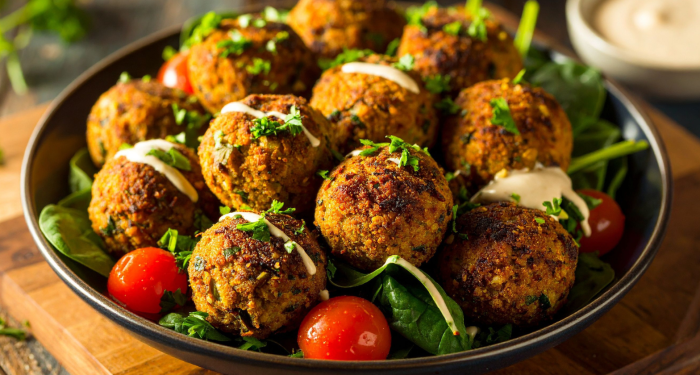
The look on people's faces when they find out these sauces have zero dairy never gets old.
I've been making vegan sauces for years now, and the reactions never fail to amuse me.
Someone takes a bite, their eyes widen, and they inevitably ask what kind of cheese I used. When I tell them there's no dairy at all, I get that look of disbelief followed by a request for the recipe.
The secret isn't complicated or expensive. These seven sauces rely on certain ingredients to create that rich, creamy texture and savory depth that makes people think they're eating something loaded with dairy.
Once you learn these bases, you'll have them on rotation because they're that good.
1. Cashew alfredo sauce
This one fools people every single time. I soak raw cashews in hot water for about 15 minutes until they're soft, then blend them with garlic, nutritional yeast, lemon juice, and a splash of the pasta cooking water. The cashews break down into this silky, luxurious sauce that coats pasta exactly like traditional alfredo.
The key is getting the right ratio of cashews to liquid. I use about one cup of soaked cashews to three-quarters cup of water, then adjust from there depending on how thick I want it. Nutritional yeast gives it that cheesy, umami flavor that makes people swear there's parmesan in there.
I learned this sauce about five years ago when a friend who couldn't eat dairy came over for dinner. I was skeptical at first because how could nuts really replace cream and cheese? But after that first taste, I was completely sold. Now I make it at least twice a month.
The beauty of cashew alfredo is how versatile it is. Toss it with fettuccine for a classic pasta dish, use it as a base for vegetable gratins, or thin it out slightly and drizzle it over roasted vegetables. I've even used it as a pizza sauce and had people rave about how creamy it was.
2. Tahini caesar dressing
Caesar dressing traditionally gets its creamy richness from egg yolks, parmesan, and anchovies.
My version uses tahini as the base, and honestly, I think it tastes even better than the original. Tahini has this nutty, slightly bitter quality that mimics the complexity you get from aged cheese and fermented anchovies.
I whisk together tahini, lemon juice, Dijon mustard, capers (for that briny punch), garlic, and a little maple syrup to balance the acidity. The texture comes out thick and creamy, clinging to every leaf of romaine.
When I brought this to a potluck last summer, three different people asked me what brand of caesar dressing I bought because they wanted to get some.
The capers are really important here. They provide that salty, oceanic flavor that makes traditional caesar dressing so distinctive. If you want to amp it up even more, add a tiny bit of dulse flakes or nori for extra umami depth.
This dressing keeps in the fridge for about a week, though it never lasts that long in my house. I use it on salads obviously, but also as a sandwich spread, a dip for raw vegetables, and even thinned out as a sauce for grain bowls.
3. Sunflower seed cheese sauce
What makes this sauce special is that it works for people with nut allergies, which means I can bring it anywhere without worrying.
Sunflower seeds are way more affordable than cashews too, which matters when you're making sauce for a crowd.
I toast the seeds first in a dry pan until they smell nutty and fragrant, then blend them with nutritional yeast, garlic powder, onion powder, turmeric for color, and a splash of plant milk.
The result is this bright yellow, gooey sauce that looks exactly like nacho cheese. I pour it over nachos, use it for mac and cheese, or keep it warm in a small slow cooker for dipping soft pretzels.
My nephew is allergic to both dairy and tree nuts, so this sauce has become my go-to for family gatherings.
Toasting the sunflower seeds makes a huge difference in the flavor. Raw sunflower seeds can taste a little bland, but toasting brings out this deep, roasted quality that adds complexity to the sauce. The turmeric gives it that classic cheese color without affecting the taste much.
I've experimented with adding different spices to this base. Smoked paprika makes it taste like smoky cheddar, a pinch of cayenne gives it a pepper jack vibe, and nutritional yeast in generous amounts creates that sharp, aged cheese flavor people crave.
4. White bean and roasted garlic cream
Have you ever roasted a whole head of garlic until the cloves are soft and sweet? That's the foundation of this sauce.
I blend roasted garlic with cooked white beans (cannellini or great northern work perfectly), olive oil, lemon juice, and fresh herbs like basil or thyme. The beans give it body and creaminess while the roasted garlic adds this mellow, almost sweet depth.
White beans are kind of magic in vegan cooking because they're so neutral. They don't taste beany when blended smooth, they just create this creamy base that takes on whatever flavors you add. The texture is similar to ricotta or a thick cream sauce.
I use this sauce in lasagna layered between noodles and vegetables, as a spread on sandwiches and wraps, stirred into soup to make it creamy, or as a base for flatbread pizzas.
Last month I made stuffed shells with this as the filling, mixed with spinach and sun-dried tomatoes, and my sister genuinely thought I'd used ricotta cheese.
The roasted garlic is what really sells this sauce. Raw garlic would be too sharp and pungent, but roasting transforms it into something sweet and almost buttery. I usually roast several heads at once and keep the extra cloves in the fridge to add to other dishes throughout the week.
5. Coconut curry cream sauce
This one has a different flavor profile than the others, but people still always assume there's dairy involved because of how rich and creamy it is.
Full-fat coconut milk is the base, and I simmer it with curry powder, ginger, garlic, and a touch of tomato paste for depth. The sauce reduces down until it's thick and coats the back of a spoon.
I started making this sauce when I was trying to recreate a tikka masala I'd had at a restaurant.
Traditional versions use heavy cream, but coconut milk actually works better in my opinion because it doesn't compete with the spices. The natural sweetness of coconut complements the warmth of curry spices perfectly.
The trick is using full-fat coconut milk, not the light version. You need that fat content to get the right consistency and mouthfeel. I also add a squeeze of lime juice at the end to brighten everything up and a pinch of garam masala for extra complexity.
This sauce is incredible with chickpeas and vegetables over rice, as a simmer sauce for tofu or tempeh, or even as a soup base if you thin it with vegetable broth. I keep cans of full-fat coconut milk stocked in my pantry specifically for making this sauce because I crave it at least once a week.
6. Miso butter sauce
Calling this "butter" sauce might be cheating since there's no actual butter, but that's exactly what it tastes like.
I blend white or yellow miso paste with refined coconut oil (the kind with no coconut flavor), a little nutritional yeast, and garlic. When you heat it gently, it melts into this glossy, rich sauce that tastes incredibly buttery and savory.
Miso is fermented, which means it has that same complex, aged quality you get from good cheese or cultured butter. The umami is intense, and combined with the fat from coconut oil, it creates something that really does fool your taste buds into thinking you're eating dairy.
I toss this sauce with pasta and peas for a simple weeknight dinner, drizzle it over steamed vegetables, use it to make garlic bread, or stir it into mashed potatoes.
The miso adds so much flavor that you don't need much else. Sometimes I'll throw in some lemon zest and fresh herbs, but it's honestly perfect as is.
One warning: don't let this sauce boil or get too hot, or it can separate. Keep it on low heat and stir frequently. I usually make it right before serving and keep the heat as gentle as possible.
7. Avocado lime crema
This is the quickest sauce on this list and probably the one I make most often.
Ripe avocados blended with lime juice, garlic, cilantro, and a splash of plant milk turn into this pale green crema that's tangy, rich, and impossibly smooth. People always think it's sour cream mixed with avocado, but it's just avocado that's been blended until silky.
The lime juice does double duty here. It adds brightness and tang that mimics the acidity in sour cream, and it also keeps the avocado from turning brown too quickly. I can make this in the morning and it'll still look fresh and green by dinner time.
I use this crema on tacos and burrito bowls, as a dip for chips or vegetables, dolloped on chili or black bean soup, or spread on sandwiches instead of mayo. It's also fantastic as a salad dressing if you thin it with a little extra lime juice and plant milk.
The key to getting it really smooth is blending it longer than you think you need to. Keep the blender or food processor running for a full two minutes until there are absolutely no chunks left. The texture should be like thick, pourable cream.
Conclusion
Once you get comfortable with these seven sauces, you'll start to see patterns.
Creaminess in vegan cooking comes from blending fats (nuts, seeds, coconut, avocado) with liquids until smooth.
Umami and depth come from ingredients like nutritional yeast, miso, roasted garlic, and capers.
Brightness comes from citrus and fresh herbs.
When you understand these building blocks, you can start creating your own variations and fooling even more people into thinking there's dairy in your cooking.