Sometimes the healthiest choice still leaves you feeling terrible until you learn the details that actually make it work.
When I first went vegan three years ago, I thought I was doing everything right. I was eating tons of vegetables, swapping out meat for beans, and feeling pretty proud of myself for making such a healthy choice.
But within a few weeks, something felt off. I was constantly exhausted, like I'd run a marathon even though I'd just walked to my car. My stomach was so bloated by mid-afternoon that I'd have to unbutton my jeans at my desk.
I kept telling myself it was just an adjustment period, that my body needed time to adapt. Months passed, and I still felt terrible.
I was about to give up on the whole thing when I realized I wasn't failing at being vegan. I was just doing it wrong. Here are the eight changes that completely turned things around for me.
1. I started combining my proteins properly
The first major shift came when I learned about complete proteins. I'd been eating protein at every meal, sure, but I was treating all protein sources like they were interchangeable.
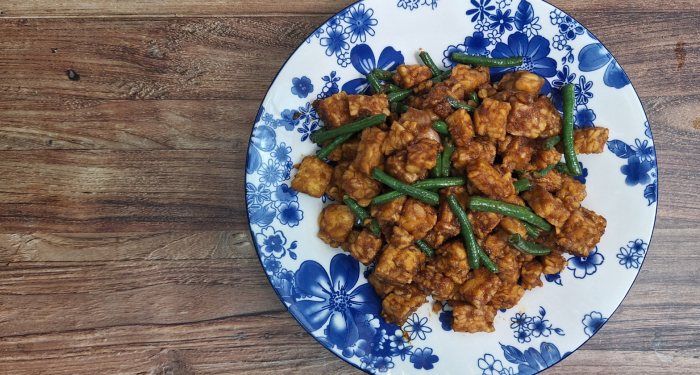
I'd have oatmeal with almond butter for breakfast, a grain bowl with chickpeas for lunch, and stir-fried tofu for dinner, thinking I was nailing it.
What I didn't understand was that most plant proteins are incomplete, meaning they're missing one or more of the nine essential amino acids your body can't make on its own. Your body needs all nine to build muscle, produce enzymes, and basically keep you alive and functioning.
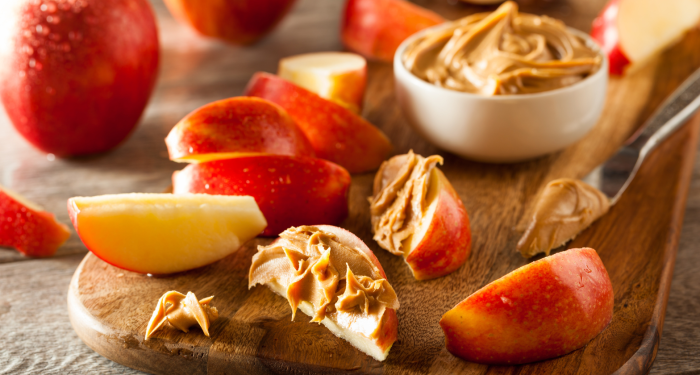
When I started pairing complementary proteins like rice with black beans, peanut butter with whole wheat bread, or hummus with pita, something clicked.
Within two weeks, I stopped feeling like I needed a nap every afternoon. My workouts got easier. My brain fog lifted.
Think of amino acids like a set of building blocks. If you're missing even one piece, you can't complete the structure, and your body has to work overtime trying to compensate.
Once I gave it all the pieces it needed at the same time, everything started working the way it should.
2. I cut back on raw cruciferous vegetables
Here's where I was sabotaging myself without realizing it. I was so excited about eating healthy that I was making these enormous salads packed with raw kale, broccoli, cauliflower, and Brussels sprouts.
I thought the more raw vegetables, the better. By 3 p.m. every day, I looked six months pregnant. The bloating was so uncomfortable that I'd have to lie down when I got home.
Cruciferous vegetables contain raffinose, a complex sugar that humans can't digest because we lack the enzyme to break it down. When it reaches your colon undigested, bacteria ferment it, producing gas.
Raw cruciferous veggies also have tough cellulose fibers that are really hard for your digestive system to process. Cooking breaks down both the raffinose and those tough fibers, making everything way easier on your gut.
I started lightly steaming my broccoli, roasting my cauliflower, and sautéing my kale, and the difference was immediate.
I could still eat the vegetables I loved without spending half my day feeling like a balloon. I still have raw salads sometimes, but I keep the cruciferous vegetables cooked and my stomach thanks me every single time.
3. I added digestive enzymes and probiotics
My gut was basically in shock from the sudden fiber overload. Before going vegan, I was eating maybe 15 grams of fiber a day. Suddenly I was hitting 40 or 50 grams, and my digestive system had no idea what to do with it.
Turns out, your gut microbiome can take months to fully adapt to a new diet, and that made so much sense.
I started taking a broad-spectrum digestive enzyme with every meal, one that included protease for protein, amylase for carbs, and lipase for fats. I also added a daily probiotic with multiple strains of bacteria to help my gut adjust to processing all that plant matter.
The combination made a massive difference.
The enzymes helped me break down food more efficiently so I wasn't sitting there bloated and uncomfortable for hours after eating.
The probiotics helped diversify my gut bacteria so they could handle the increased fiber load.
After about a month of consistent use, my digestion improved so much that I only needed the enzymes occasionally, usually when I was eating a particularly heavy or fiber-rich meal. My gut had finally adapted, but it needed that extra support to get there.
4. I focused on iron and B12 supplementation
Do you know that feeling when you're tired but you can't quite figure out why? That was me for months.
I was sleeping eight hours, drinking coffee, trying to push through, but I felt exhausted down to my bones. I finally got bloodwork done, and turns out I was deficient in both iron and B12.
That explained everything. B12 doesn't naturally occur in plant foods because it's made by bacteria, and unless you're eating a ton of fortified foods, you're probably not getting enough.
Iron from plants (non-heme iron) is way harder for your body to absorb compared to iron from meat (heme iron). I started taking a B12 supplement every single day because there's really no way around that one on a vegan diet.
For iron, I took a plant-based supplement with vitamin C, which dramatically improves absorption. I also started cooking in a cast-iron skillet, which adds small amounts of iron to your food.
Within about six weeks, I felt like a completely different person. I had energy again. I could get through a workout without wanting to collapse.
I could focus at work without my brain feeling like it was wading through mud. Those two deficiencies were quietly draining everything from me, and I had no idea until I actually tested for them.
5. I stopped relying on processed vegan alternatives
When I first went vegan, I basically lived on vegan burgers, fake chicken nuggets, and dairy-free mac and cheese.
I figured as long as it was vegan, it was healthy, right? Wrong.
Most of those processed alternatives are loaded with sodium, preservatives, fillers, and weird additives that my body didn't know how to process. I'd eat a vegan burger and feel bloated and sluggish for hours afterward. The sodium alone was making me retain water and feel puffy all the time.
I started shifting toward whole foods like sweet potatoes, quinoa, lentils, chickpeas, nuts, seeds, and whole grains. I'd roast a big batch of vegetables on Sunday, cook a pot of beans, and prep some grains so I had real food ready to go during the week. The change in how I felt was dramatic.
My bloating decreased significantly because I wasn't eating all those inflammatory additives and excessive salt. I had more stable energy throughout the day instead of the crashes I'd get from processed foods.
I still eat vegan alternatives sometimes when I'm in a pinch or really craving something specific, but they went from being my daily staples to occasional conveniences.
6. I started soaking and sprouting my legumes and grains
Nobody tells you this when you go vegan, but how you prepare your food matters just as much as what you eat.
I was buying dried beans and lentils, cooking them straight from the bag, and wondering why I felt so gassy and uncomfortable afterward.
Legumes and grains contain phytic acid and lectins, which are compounds that can interfere with nutrient absorption and cause digestive distress.
Soaking them overnight in water with a bit of acid like lemon juice or vinegar helps break down these compounds significantly. Sprouting takes it even further by activating enzymes that make the nutrients more bioavailable and easier to digest.
I started soaking my beans for at least eight hours before cooking them, and I'd sprout things like lentils and chickpeas when I had time.
The difference in how my stomach felt was night and day. Way less gas, way less bloating, and I could actually absorb more of the minerals like iron and zinc that were previously being blocked by the phytic acid.
It's an extra step that takes almost no effort since the beans just sit there soaking while you sleep, but the payoff for your digestion is absolutely worth it.
7. I increased my healthy fat intake
I'd somehow gotten it into my head that a healthy vegan diet meant eating as little fat as possible. I was having fruit for breakfast, giant salads with fat-free dressing for lunch, and plain steamed vegetables with rice for dinner.
I was constantly hungry, my skin was dry, my hair felt brittle, and I was still exhausted all the time despite fixing my B12 and iron levels.
Then I learned that you need dietary fat to absorb vitamins A, D, E, and K, and that fat plays a crucial role in hormone production and brain function.
I started adding avocado to my breakfast, drizzling olive oil on my salads, snacking on almonds and walnuts, sprinkling seeds on everything, and cooking with coconut oil.
The changes were almost immediate. I felt satisfied after meals instead of hungry again an hour later. My energy stabilized because my blood sugar wasn't spiking and crashing from all those carbs without any fat to slow digestion. My skin cleared up, my hair got shinier, and I just felt better overall.
Healthy fats became a non-negotiable part of every meal, and my body finally started thriving instead of just surviving.
8. I spread my fiber intake throughout the day instead of loading up at once
My typical breakfast used to be a massive smoothie bowl loaded with berries, chia seeds, flax seeds, granola, and about 20 grams of fiber all at once. Then I'd wonder why I was bloated and uncomfortable all morning, struggling to focus on anything other than my distended stomach.
Your digestive system can only process so much fiber at one time before it gets overwhelmed. When you dump a huge amount in all at once, it sits there fermenting, causing gas, bloating, and discomfort.
I started distributing my fiber more evenly across the day, aiming for about 10-15 grams per meal instead of 30 grams at breakfast and then much less later.
I'd have oatmeal with fruit in the morning, a grain bowl with vegetables for lunch, some apple slices with almond butter as a snack, and a lighter dinner with protein and roasted veggies.
My digestive system could actually keep up with what I was giving it instead of going into panic mode. The bloating that used to last all morning disappeared completely. I felt comfortable in my clothes all day.
My energy improved because my body wasn't working overtime trying to process an overwhelming amount of fiber all at once. Pacing yourself makes all the difference.
Conclusion
If you're struggling on a vegan diet right now, please don't give up just yet.
Try tweaking how you're approaching it. Get your bloodwork done to check for deficiencies. Experiment with food combinations and preparation methods. Pay attention to how your body responds to different foods and adjust accordingly.
Your body will tell you what it needs if you listen closely enough. These changes transformed my experience completely, and I hope they can do the same for you.
What’s Your Plant-Powered Archetype?
Ever wonder what your everyday habits say about your deeper purpose—and how they ripple out to impact the planet?
This 90-second quiz reveals the plant-powered role you’re here to play, and the tiny shift that makes it even more powerful.
12 fun questions. Instant results. Surprisingly accurate.