Food can be theater—but the spotlight doesn’t always shine on taste.
Food has always carried status. What you put on your plate says something—sometimes more than the flavors themselves.
I grew up in a kitchen where taste ruled above all else: my grandparents would test a dish with eyes closed, relying only on how it danced on their tongues.
But step outside into glossy restaurants or curated Instagram feeds, and you’ll notice a different story. Some foods survive not because they’re delicious, but because they whisper the right kind of sophistication.
I’m not saying you shouldn’t try these foods or even enjoy them if they truly call to you. But too often, they’re ordered with a raised brow and a performative shrug, more to signal taste than to savor it.
So let’s dig into nine “sophisticated” foods that many people pretend to like, even though their palates are secretly begging for something better.
1. Oysters
The ritual of eating oysters is dramatic—tiny forks, crushed ice, lemon wedges glistening under low light. They arrive at the table like treasure from the sea.
But here’s the truth: most people are swallowing them as fast as possible so they don’t have to linger on the texture. Slippery, briny, and sometimes carrying that faint metallic note, oysters are a love-it-or-leave-it experience.
I remember the first time I tried them. A chef friend placed a half dozen in front of me with all the toppings: mignonette, lemon, hot sauce. He slurped his down with gusto.
I followed, and honestly? I felt like I’d just swallowed a gulp of seawater with a hint of vinegar. The experience was far richer than the taste.
For those who genuinely enjoy the ritual, more power to them. But let’s be honest—half the appeal lies in the photo snapped mid-slurp.
2. Caviar
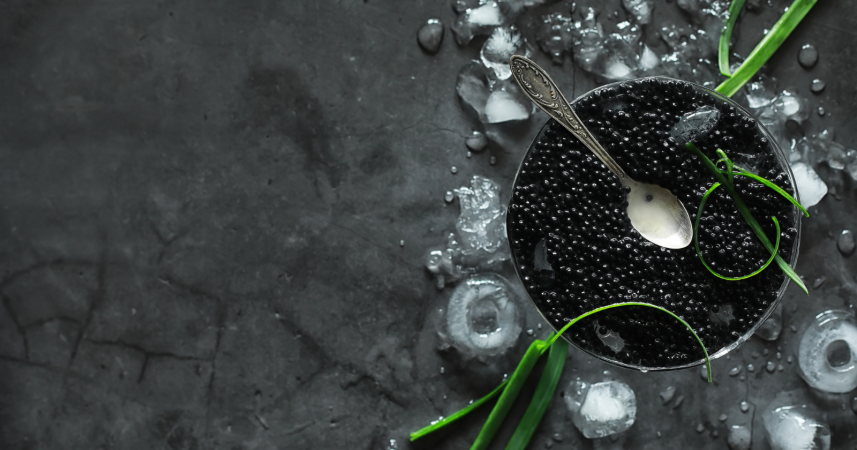
Tiny pearls of salt clinging to a mother-of-pearl spoon—caviar is pure luxury theater. The taste is briny and buttery, but fleeting. You blink, and it’s gone.
For the price it commands, it’s less about feeding hunger and more about feeding reputation.
Caviar is one of those foods that has become shorthand for wealth and refinement. You don’t see it passed around at weeknight family dinners; it’s reserved for weddings, New Year’s Eve, or photo ops with champagne.
It’s as if the smallness of the bite is the point: luxury condensed into a teaspoon.
The irony is that many first-timers find it underwhelming. Salty fish eggs? That’s it?
The allure is mostly cultural. Caviar signals status in a way that a bowl of perfect beans never could, and yet I’d argue the beans are far more satisfying.
3. Foie gras
Rich, silky, almost melting on the tongue—foie gras is prized by chefs and food lovers alike.
But if we’re honest, the appeal isn’t universal. The flavor is heavy, and the texture can be off-putting, almost like meat-flavored custard. It’s decadent to the point of overwhelming.
I’ve cooked with foie gras in professional kitchens, and I’ll admit it sears beautifully.
But when I watched guests push it around their plates, I knew the hesitation: it feels more impressive to order than to eat. People want to signal bravery, culture, or culinary experience.
At the end of the day, most diners would rather sink into something comforting—foods that satisfy both the stomach and the soul.
4. Raw kale salads
Let me ask you: have you ever chewed through a kale salad and thought, “this is delightful”?
I'd be hard put to believe you. Kale has its place—it’s fantastic cooked low and slow, turning silky in soups or sautéed with garlic. But raw, it’s tough, fibrous, and bitter.
The rise of kale salads came with the wellness craze. They photograph well, they sound virtuous, and they make people feel like they’re doing something good for their bodies.
But unless it’s massaged with olive oil, dressed boldly, and paired with something creamy or sweet to balance the bite, it’s punishment disguised as sophistication.
I once made the mistake of serving raw kale salad at a family barbecue. My aunt chewed politely, then whispered, “Honey, this feels like I’m eating my front lawn.” Lesson learned.
5. Truffle oil
The aroma hits you before the plate lands on the table—earthy, intense, almost overwhelming. Truffle oil became the darling of fine dining menus in the early 2000s, drizzled on fries, pasta, pizza, even popcorn.
But here’s the kicker: most “truffle oil” doesn’t come from real truffles. It’s usually infused with synthetic compounds designed to mimic the scent.
The result? A heavy-handed perfume that smothers everything beneath it.
Order truffle fries, and you’ll taste truffle oil more than potato. Get truffle pasta, and the noodles disappear behind the haze.
It’s like a single loud note played on repeat, drowning out the rest of the song.
Authentic truffles are rare and exquisite, but truffle oil often reduces their magic to a gimmick. It’s sophistication on paper, saturation on the plate.
6. Escargot (snails)
Escargot has that daring edge: order it, and you instantly look adventurous.
But take away the garlic butter, and what you’re left with is a chewy little parcel of earthiness. The sauce does all the heavy lifting.
I tried escargot for the first time in a bistro in Paris. The waiter set down the special plates, the little tongs, the steaming shells. I was thrilled… until I realized I was basically scooping garlic butter delivery systems.
Delicious, yes—but the snail itself? More texture than taste.
Escargot is a performance. It gives diners a story to tell, a notch on the culinary belt. But if the real star is butter and garlic, why not skip the snails and order a basket of bread to soak it up?
7. Blue cheese
Few foods split a crowd like blue cheese. Its pungent, sharp tang is beloved by some, but to many it tastes more like medicine than food.
It’s one of those flavors that people claim to love because it signals sophistication, like wine tasting notes no one really understands.
The truth is, blue cheese requires patience and exposure. It’s not instantly lovable. And yet, it shows up on fancy charcuterie boards, as if its very presence elevates the spread.
Plenty of guests nod approvingly while secretly hoping someone else takes the wedge.
Cheese has infinite forms that bring joy—fresh mozzarella, creamy brie, crumbly cotija. Blue cheese, though, often ends up being the “look how refined I am” choice rather than the crowd favorite.
8. Gold leaf–covered anything
From doughnuts to burgers to cocktails, gold leaf has crept into the food world like costume jewelry.
It looks dazzling for sure, but the flavor? Nonexistent. Gold leaf doesn’t melt on your tongue or enhance a dish—it just sits there, gleaming.
This is food as spectacle, not sustenance. A burger topped with gold leaf doesn’t taste better than a perfectly seared, juicy one. A doughnut covered in edible gold doesn’t beat the comfort of one filled with warm jam.
If anything, gold leaf exposes the gap between appearance and pleasure. It’s edible bling—a way to show you can buy flash, even if it leaves your palate empty.
9. Sushi with too many exotic toppings
Sushi at its best is simple: fresh fish, vinegared rice, balance. But modern menus often pile on wagyu, uni, caviar, gold leaf—sometimes all at once. The roll becomes less about harmony and more about headlines.
I’ve sat across from friends who order these elaborate creations and then pause, unsure how to even take a bite. By the time you wrestle it into your mouth, the flavors blur together, and the essence of sushi—clean, precise, delicate—is lost.
Sushi doesn’t need the fanfare. A perfect piece of salmon nigiri or a spicy tuna roll will often give more satisfaction than a $40 roll weighed down by every luxury topping under the sun.
Final thoughts
Food can be theater, and sometimes that’s fun. We’ve all ordered something flashy just to try it, or because it made us feel part of a special moment.
But if you strip away the price tags and the social signals, what matters most is flavor—the kind that lingers, comforts, and makes you close your eyes for a second because it’s just that good.
The foods we pretend to like often fade quickly from memory. The foods we love, though, become part of our story: the soup your grandmother made when you were sick, the taco you grabbed after a long shift, the bread still warm from the oven.
Sophistication has its place, but joy on the palate? That’s timeless.
If You Were a Healing Herb, Which Would You Be?
Each herb holds a unique kind of magic — soothing, awakening, grounding, or clarifying.
This 9-question quiz reveals the healing plant that mirrors your energy right now and what it says about your natural rhythm.
✨ Instant results. Deeply insightful.