My kitchen cabinet once looked like a mini pharmacy: capsule jars labeled “Stress Balance,” gummy bottles promising hair growth, probiotic pearls, collagen peptides, vegan B‑12 sprays, and an industrial‑size tub of plant protein powder that smelled faintly of birthday cake and chalk.
Every payday, I’d scroll wellness sites, convinced the next blend would erase the fatigue, bloat, or low‑grade dread that trailed every meal.
It started innocently — an iron supplement after my first plant‑based stumble left me light‑headed. But soon any twinge of discomfort sent me chasing a new pill: magnesium for sleep, digestive enzymes for brunch, adaptogens to survive deadlines.
The routine felt proactive, almost virtuous.
Yet beneath the rainbow gummies lurked a truth I refused to face: I didn’t trust food to nourish me. I trusted numbers — milligrams, IU counts, proprietary blends — but not my body’s cues. B
reakfast became a spreadsheet. Lunch was a guilt negotiation. Dinner was a supplement sandwich: swallow capsules, chew, swallow again. My pantry held kombu and quinoa, but my mindset mirrored the same scarcity thinking that drives crash diets.
Eventually, even the supplements failed to buffer the anxiety. My energy cratered, my skin broke out, and I caught myself Googling “How many vitamins are too many?”
That’s when the phrase hit me like bad espresso: You can’t out‑supplement a bad relationship with food.
How I slipped from mindful eating into micro‑nutrient obsession
Growing up in a Mexican‑Filipino household, food was a celebration:
Sunday mornings meant pan dulce and stories, tamales unwrapped at Christmas, aromatic sinigang bubbling on rainy days.
But somewhere between teenage body comments and adult algorithmic wellness feeds, eating turned transactional. I tracked macros, followed “What I Eat in a Day” reels, and feared gluten more than heartbreak.
When fatigue crept in, I blamed missing micro‑nutrients, not mounting stress.
Wellness culture validated my suspicion: problems were biochemical puzzles solved by curated pills. Each unboxing felt like progress — until the ritual bloated my budget and my body.
My hair still shed, and my moods swung like a door in a storm.
Worse, meals lost color.
I’d steam kale because of magnesium, ignore mangoes because of sugar, and sip protein shakes during family barbecues so I could “hit targets.” Friends noticed my retreat.
“You know supplements supplement, right? They don’t replace,” one whispered. I laughed off the concern, toning down the pill clatter during lunch dates.
Inside, I wondered: had I traded food fear for capsule confidence? If the supplements worked, why was I still tired, anxious, and oddly hungry after a 40‑gram protein smoothie?
The moment I realized my “fix” was fueling the fatigue
The tipping point arrived during a friend’s birthday weekend at a cabin rental.
We divvied up cooking duties; I volunteered to make salsa verde and scrambled tofu.
Morning light, pine scent, laughter — perfect.
Except I refused the homemade cinnamon rolls because “bad macros,” then popped a chromium pill to “stabilize blood sugar.”
Half an hour later, I was jittery, heart racing, stomach churning. I hid in the bathroom Googling side‑effects while everyone else baked s’mores over the fire pit. The dissonance hit me: I was physically present yet absent from joy.
Supplements designed to optimize life were relegating me to spectator.
That night, toes chilled against hardwood floors, I journaled every capsule, powder, and gummy I’d consumed over six months. The list ran two pages.
I tallied the cost. I tallied side‑effects. I tallied missed memories: skipped gelato dates, avoided family pozole, cautious bites at potlucks.
The math told a story: chasing “perfect nutrition” had starved my spirit. No capsule could fill that deficit.
The three‑step reset that put food back in the driver’s seat
I didn’t quit supplements cold‑turkey — I respect science and still take B‑12, D3, and omega‑3 algae oil as a vegan.
But I built a reset using three guardrails: audit, anchor, add.
-
Audit: For two weeks, I logged what I took and why. If the reason was vague (“just in case” or “Instagram said so”) it went into a “trial separation” box. Anything prescribed by a doctor stayed.
-
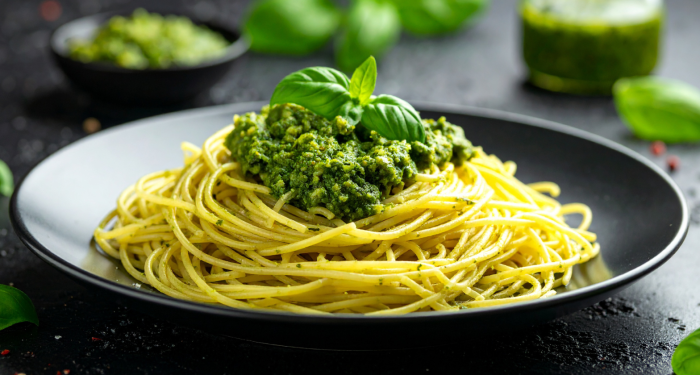
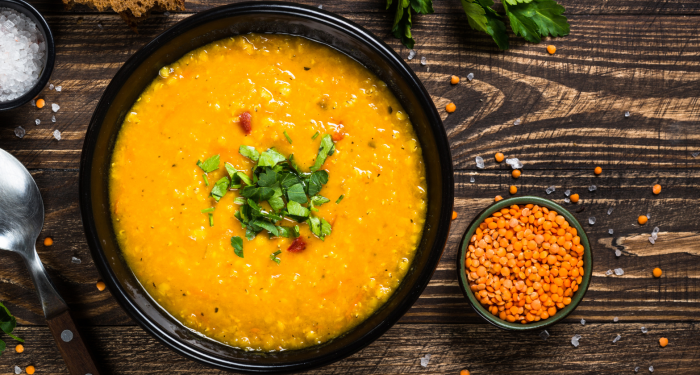
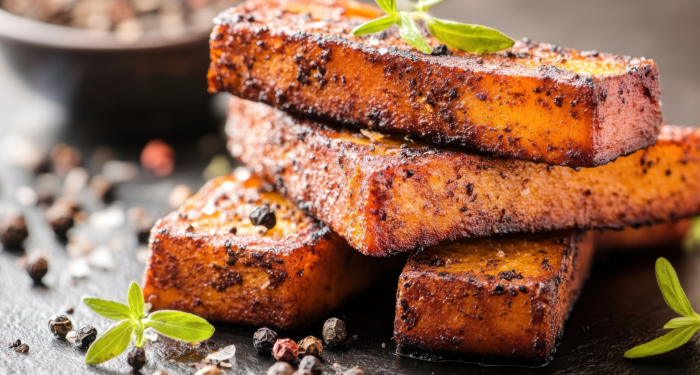
Anchor: I rebuilt meals around whole‑food sources of the nutrients I’d been pill‑popping. Iron? Enter lentils with citrus‑spiked vinaigrette to boost absorption. Magnesium? Dark leafy greens and pumpkin seeds, blended into creamy cilantro pesto. Protein? Tempeh adobo served taco‑style on corn tortillas, honoring heritage and macros.
-
Add: Once plates felt colorful and satisfying, I evaluated energy, sleep, mood. Only then did I add back targeted supplements with measurable need—confirmed by bloodwork, not marketing. The process felt slow, messy, and rebelliously refreshing.
What happened when I trusted meals over milligrams
Week one felt like free‑fall: fewer capsules equaled more doubt. Would my workout recovery tank? Could I focus without L‑theanine gummies?
But something wild occurred: flavors sharpened.
Grapefruit tasted electric. Roasted carrots smelled like candy. Without pill protocols dictating macros, I built meals for joy and balance — brown rice congee with shiitake, tamari, and scallions; watermelon topped with Tajín and mint. My digestion smoothed out, sleep deepened, and the afternoon slump ghosted me.
Lab tests three months later showed iron and B‑12 levels within range, cortisol trending down.
My grocery bill? Lower.
My supplement shelf slimmed to three essentials. Most radical was the mental spaciousness. Without a capsule countdown, meals became a time for conversation, creativity, and communion. I lingered at tables, asked elders for recipes, savored salsa heat without wondering if capsaicin blocked nutrient absorption.
Food regained its rightful role: nourishment seasoned with culture and connection.
Practical tips if you’re stuck in the supplement spiral
-
Run a professional checkup first. Bloodwork reveals true deficiencies; self‑diagnosing via symptoms can mislead. Pair info with a registered dietitian or physician, especially if plant‑based.
-
Shrink the container gap. Store daily supplements in a single small pill case. Overflow equals audit time. Physical limits curb emotional impulse buys.
-
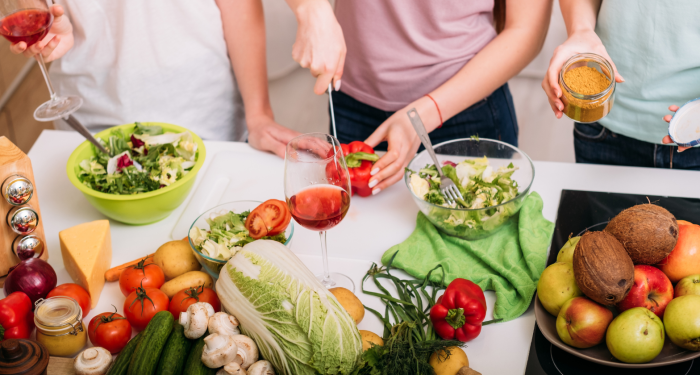
Color‑code your plate. Aim for five colors per meal: leafy green, vibrant red/orange, earthy brown/black, bright yellow, and purple/blue. More pigment diversity often means broader nutrient coverage—and less capsule FOMO.
-
Practice pleasure inventory. Once a week, list foods that spark delight (hello, mango) and analyze why you avoid them. Replace fear statements with curiosity: “What if a ripe mango at lunch supports energy rather than spikes sugar?”
-
Use supplements as seat belts, not steering wheels. Seat belts protect; they don’t drive. Keep essentials (B‑12, D, Omega‑3) if you’re vegan, but let whole foods steer the daily journey.
Why this matters beyond personal wellness
A healthier relationship with food isn’t just an individual win — it’s a planetary one. Whole, minimally processed plant foods generally carry lower carbon footprints than hyper‑processed powders shipped in plastic tubs.
When we source micronutrients from seasonal produce, beans, and grains, we support local agriculture and cut packaging waste. Resisting one‑click supplement hauls curbs supply‑chain emissions tied to production, shipping, and returns.
Plus, communal eating fosters social bonds proven to buffer stress, a leading driver of overconsumption.
My reset rippled outward: I bought produce at farmers’ markets, swapped recipe cards with neighbors, started a herb garden to clip basil for tofu caprese. Each act stacked tiny climate positives atop personal ones — double nourishment.
Final reflection: nourishment over numbers
I still keep a few trusted supplements — my vegan safety net — but they no longer dominate my countertop or my psyche.
The quote that sparked this journey hangs on my fridge in neon ink: You can’t out‑supplement a bad relationship with food.
Now breakfast is papaya with lime and chia, not a capsule chase.
Lunch is lentil pozole shared with coworkers, not a protein-bar inhaled alone. Dinner is whatever fresh produce called my name at the market, flavored by conversation and maybe a glass of wine.
My body feels fed; my mind feels free. And the cabinet space once jammed with shiny bottles?
It holds spice jars, family recipes, and a reminder that the richest nutrient is joy seasoned with trust.
If You Were a Healing Herb, Which Would You Be?
Each herb holds a unique kind of magic — soothing, awakening, grounding, or clarifying.
This 9-question quiz reveals the healing plant that mirrors your energy right now and what it says about your natural rhythm.
✨ Instant results. Deeply insightful.