You might be surprised by how good it feels to let go of appearances for a moment.
Europe has plenty of beautiful food.
Think golden croissants, fresh pasta, and perfectly plated tarts.
But it also has a few dishes that look, well, strange.
They might seem bland, lumpy, or just plain weird, but once you give them a try, they often turn out to be the best things on the table.
I have traveled across Europe, eating my way through small markets and vegan cafés, and I have learned that the most comforting foods are often the least photogenic.
Here are seven vegan dishes from across Europe that taste far better than they look.
1) Sauerkraut (Germany)
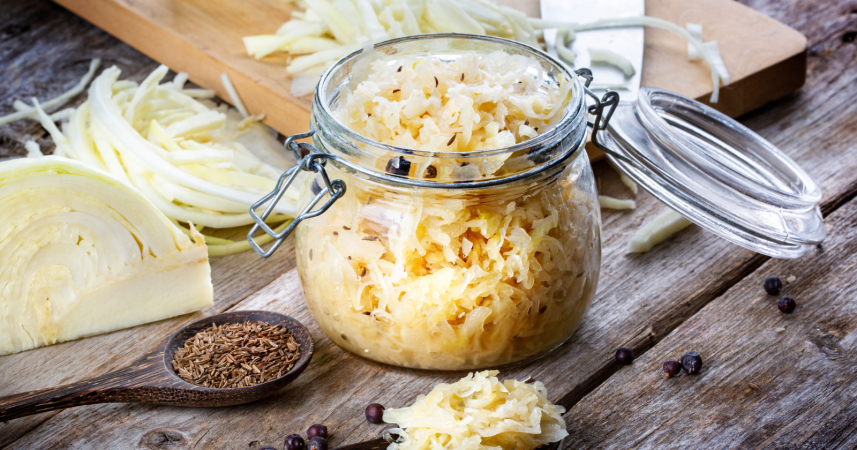
If you have ever opened a jar of sauerkraut, you know it is not winning any beauty awards.
Pale strands of cabbage floating in cloudy liquid do not exactly make your mouth water at first glance.
But give it a chance. The taste is bright and tangy, with a crunch that wakes you up.
It is also loaded with probiotics and vitamin C, which explains why people in colder regions have relied on it for generations.
I tried my first fresh sauerkraut at a farmer’s market in Munich.
The vendor scooped it straight from a wooden barrel and told me, “Good kraut should make your face tighten for a second.” She was right.
It may not look great, but it feels alive on your tongue.
2) Pease pudding (Northern England)
Pease pudding looks like someone left hummus out too long.
It is thick, beige, and a little gluey. But do not let that fool you.
This simple mix of yellow split peas, mustard, and herbs has been keeping people warm for centuries.
When you spread it on crusty bread or serve it next to roasted vegetables, it becomes something much more than the sum of its parts.
It is humble, filling, and surprisingly satisfying.
One café owner in Newcastle told me, “If it looks too smooth, it is not the real thing.”
That sums it up. Imperfection is part of its charm.
3) Borscht (Eastern Europe)
Borscht might be the brightest food you will ever see.
Deep red, almost glowing, it can look like something from a science experiment.
The color comes from beets, and the taste is earthy, sweet, and a little tangy.
It is one of those soups that manages to be both refreshing and comforting.
Served warm, it feels like a cozy blanket. Served cold, it is light and energizing.
I first had borscht in Poland on a freezing December evening.
It came in a chipped bowl, steaming and vivid, and it was one of the best things I had all winter.
Sometimes beauty hides inside the strange.
4) Laverbread (Wales)
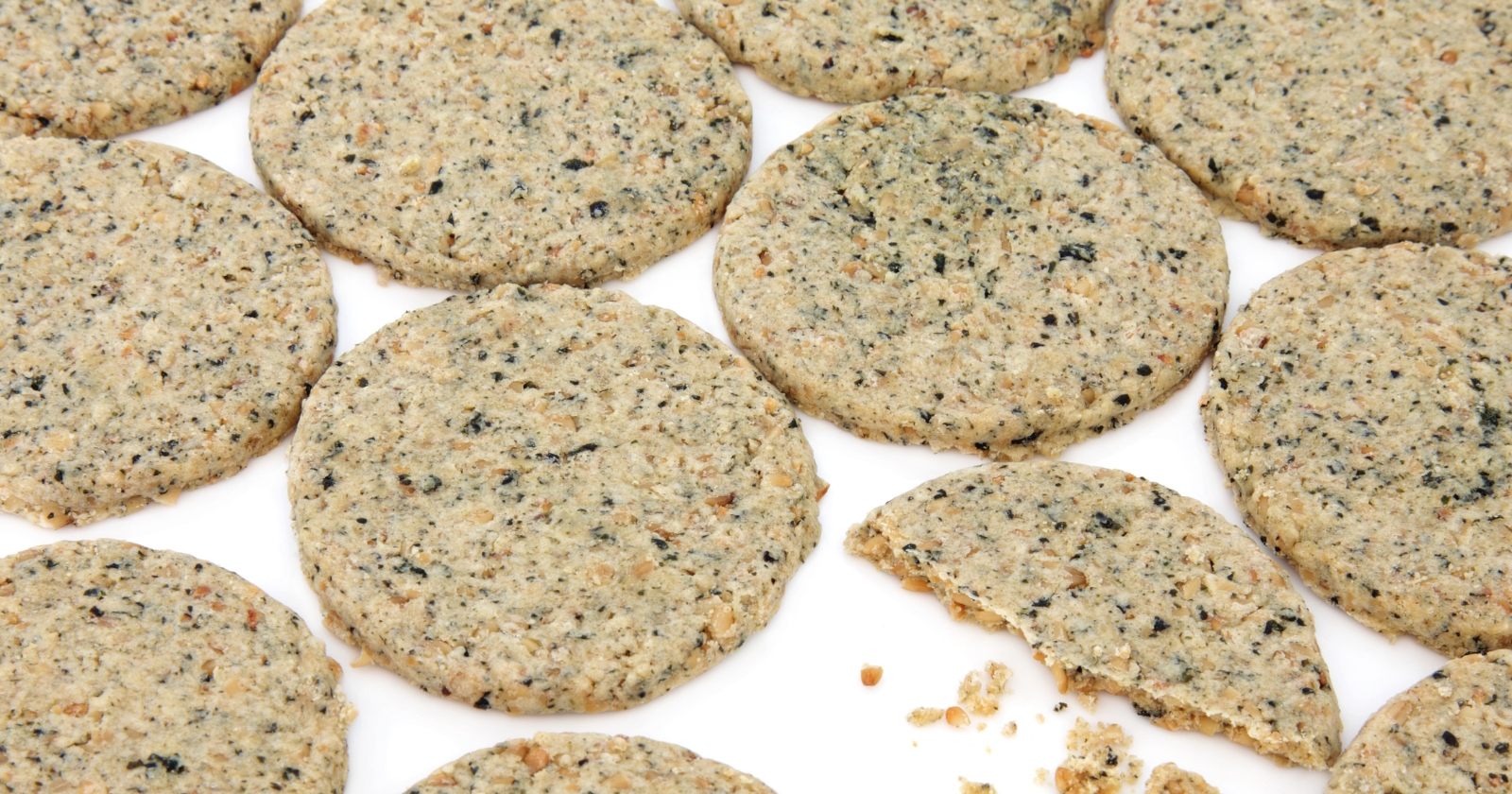
Despite the name, laverbread has nothing to do with bread.
It is made from laver seaweed that has been boiled into a dark green paste. Honestly, it looks like wet moss.
But once you taste it, everything makes sense.
It is full of minerals, with a deep ocean flavor that feels both ancient and nourishing.
People in Wales often mix it with oatmeal and fry it into patties that are crispy on the outside and soft inside.
I tried it at a seaside café where the chef told me, “It tastes like the tide.”
He was right. It is the flavor of the coast in its purest form.
5) Skirlie (Scotland)
Skirlie is what happens when you mix oats, onions, and vegetable oil and cook them together until toasted and crumbly.
It looks like beige rubble, but it smells incredible.
It is usually served as a side dish, and while it might appear dull, it is rich and comforting.
It has the nutty depth of roasted oats and the sweetness of caramelized onions.
When I tried it in the Scottish Highlands, a local woman laughed when I called it plain.
“It keeps you alive through winter,” she said.
That was all the endorsement I needed.
6) Nettle soup (Scandinavia and the Baltics)
Few things sound less appealing than soup made from stinging nettles.
The idea alone makes most people step back.
But once the leaves are cooked, they lose their sting and turn into something smooth, green, and full of flavor.
Nettle soup looks like pond water, but it tastes like the first breath of spring.
It is light, fresh, and packed with iron and vitamin C.
When I stayed in Finland, one of my hosts made it for me using freshly picked nettles.
I was skeptical, but after one spoonful, I got it. It was wild, earthy, and restorative.
Sometimes, what we avoid at first glance is exactly what we need.
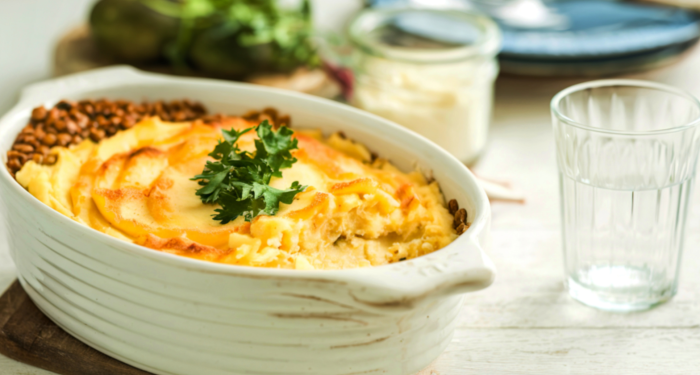
7) Lentil stew with prunes (Spain and Portugal)
This one confused me the first time I saw it.
Lentils and prunes in the same pot?
It sounded wrong, and it looked even stranger.
The color was muddy brown, and the texture was thick and uneven.
But once I took a bite, I understood why it is so popular in parts of Southern Europe.
The lentils make it hearty, and the prunes add a gentle sweetness that ties everything together.
The combination of savory and sweet creates a comforting balance that sticks with you.
A cook in Lisbon told me, “It looks sad, but it eats happy.” I could not argue with that.
Why we judge food by its looks
Humans have always judged food by appearance.
It was a survival instinct.
If something looked odd, it could have been spoiled or dangerous.
But those instincts are not always useful anymore.
Now we live in a world where “pretty” food often comes out of a factory, while the dishes that look weird are the ones filled with life.
Fermented, aged, or homemade foods are supposed to look imperfect.
They are part science, part art, and full of character.
The truth is, food that looks too perfect can feel lifeless.
A bubbling jar of sauerkraut or a pot of lumpy stew has more story to tell.
What ugly food teaches us
These odd dishes all have something in common.
They do not rely on looks to impress you.
They remind us that food is about connection, not appearance.
They also speak to something bigger.
When we stop needing everything to look perfect, we become more open to surprise.
I have said before that growth often looks messy while it is happening.
The same is true in the kitchen. The process might look chaotic, but the result can be extraordinary.
Sometimes the best flavors live in the places we are too quick to dismiss.
The bottom line
Europe has plenty of dishes that look strange but taste incredible.
From cabbage in brine to green soup and lentils with fruit, these foods remind us that real nourishment is not about presentation.
So next time you see something that looks odd, take a small risk and taste it.
You might be surprised by how good it feels to let go of appearances for a moment.
Because in food, as in life, the things that look imperfect often turn out to be the most rewarding.
If You Were a Healing Herb, Which Would You Be?
Each herb holds a unique kind of magic — soothing, awakening, grounding, or clarifying.
This 9-question quiz reveals the healing plant that mirrors your energy right now and what it says about your natural rhythm.
✨ Instant results. Deeply insightful.